We ship worldwide…


The Rise of Keyless Entry: How Aliro and Modern Smart Lock Technologies Are Shaping the Future of Home Security

The Rise of Keyless Entry: How Aliro and Modern Smart Lock Technologies Are Shaping the Future of Home Security
Home security technology has advanced dramatically over the past decade. Traditional locks and keys, which once served as the primary method of protecting homes, are gradually being replaced by digital security solutions. As smart homes become more common, homeowners are looking for safer, more convenient ways to control access to their properties. Keyless entry systems and smart locks have become an essential part of modern residential security. These technologies allow users to unlock doors using smartphones, digital credentials, or biometric verification instead of traditional keys. In addition to convenience, they offer better access management and improved protection against common security risks.
With the introduction of new interoperability standards such as Aliro, the smart lock industry is entering a new phase of innovation. These standards aim to make keyless entry systems more secure, compatible, and easier to use across different devices and platforms.
The Evolution of Keyless Entry Technology
Keyless entry systems have evolved significantly from early electronic locks. The first generation of digital locks introduced simple keypad systems that allowed users to enter a PIN code instead of using a physical key. While this innovation improved convenience, it still had limitations in terms of security and integration with other devices.
Over time, advances in wireless connectivity and mobile technology paved the way for modern smart locks. Today’s keyless entry solutions support technologies such as Bluetooth, Wi-Fi, near field communication (NFC), and mobile applications. These features allow homeowners to control locks remotely, monitor activity, and grant access to family members or visitors without needing physical keys.
As the smart home ecosystem continues to expand, keyless entry systems are becoming a central component of integrated home security networks.
The Growing Role of Smart Locks in Modern Home Security
Smart locks offer far more than simple door locking and unlocking. They provide homeowners with powerful features that improve both security and convenience.
Some of the most common capabilities include:
- Remote lock and unlock functions through mobile apps
- Activity logs that track when doors are opened or closed
- Temporary digital keys for guests or service providers
- Integration with smart home platforms and security systems
- Real-time notifications and alerts
These capabilities allow homeowners to monitor and manage access to their homes more effectively. For instance, parents can check whether children arrived home safely, and homeowners can grant temporary access to delivery personnel without sharing physical keys.
For readers interested in understanding how these systems function in detail, our guide on Smart WiFi Door Locks: How They Work and Why They’re More Secure Than Traditional Locks explains the technology behind modern connected locks and how they improve residential security.
Why Smart Lock Standards Are Important
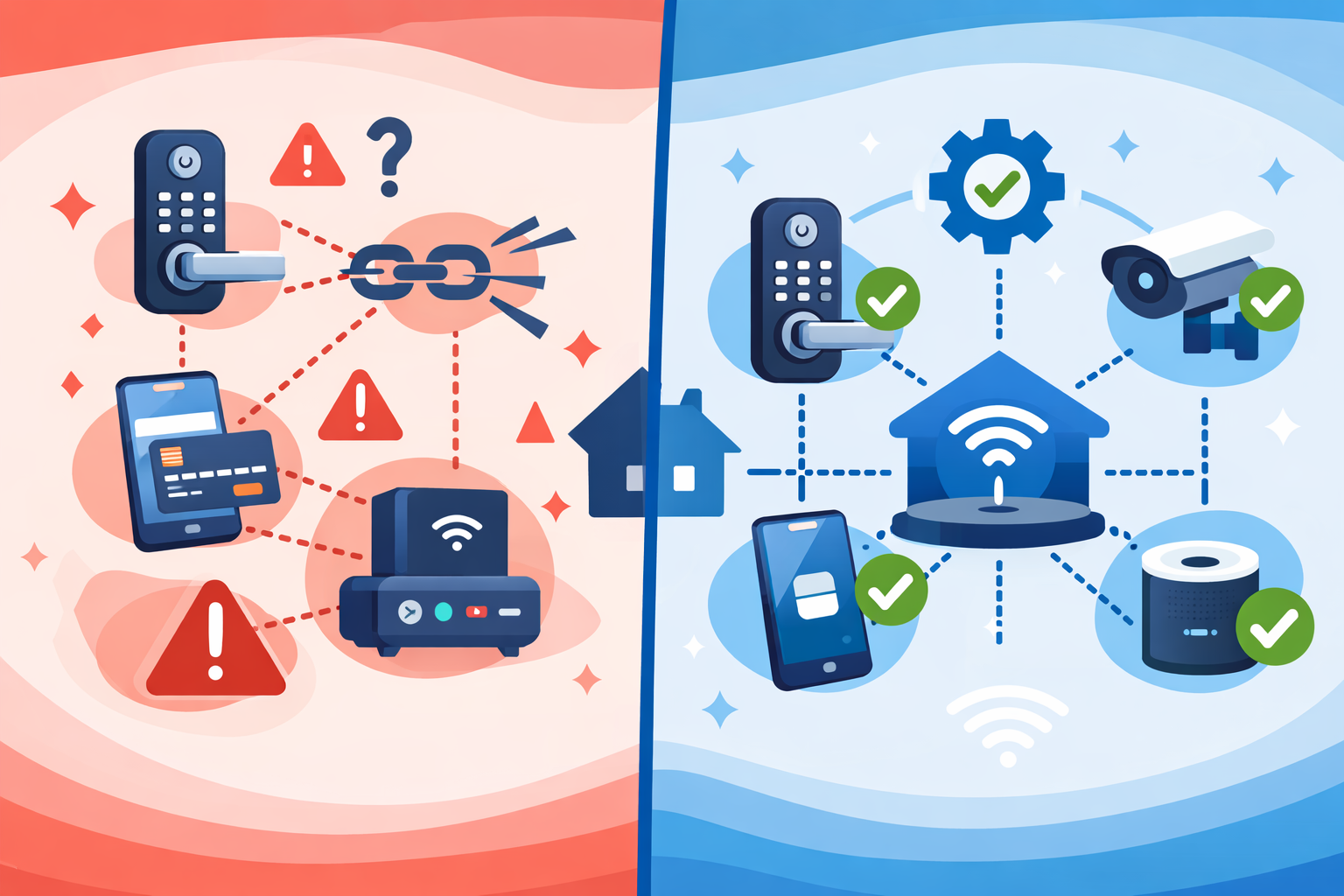
As the smart lock industry grows, one major challenge has been compatibility between devices from different manufacturers. Many smart locks operate within proprietary ecosystems, which can limit their ability to work seamlessly with other smart home products.
For example, a smart lock from one brand might not integrate easily with a mobile wallet, smart home hub, or digital access platform from another company. This fragmentation can create confusion for consumers and slow the adoption of advanced security solutions.
To address these challenges, technology companies and security organizations are developing universal standards designed to improve interoperability and security across smart lock platforms.
Understanding the Aliro Standard
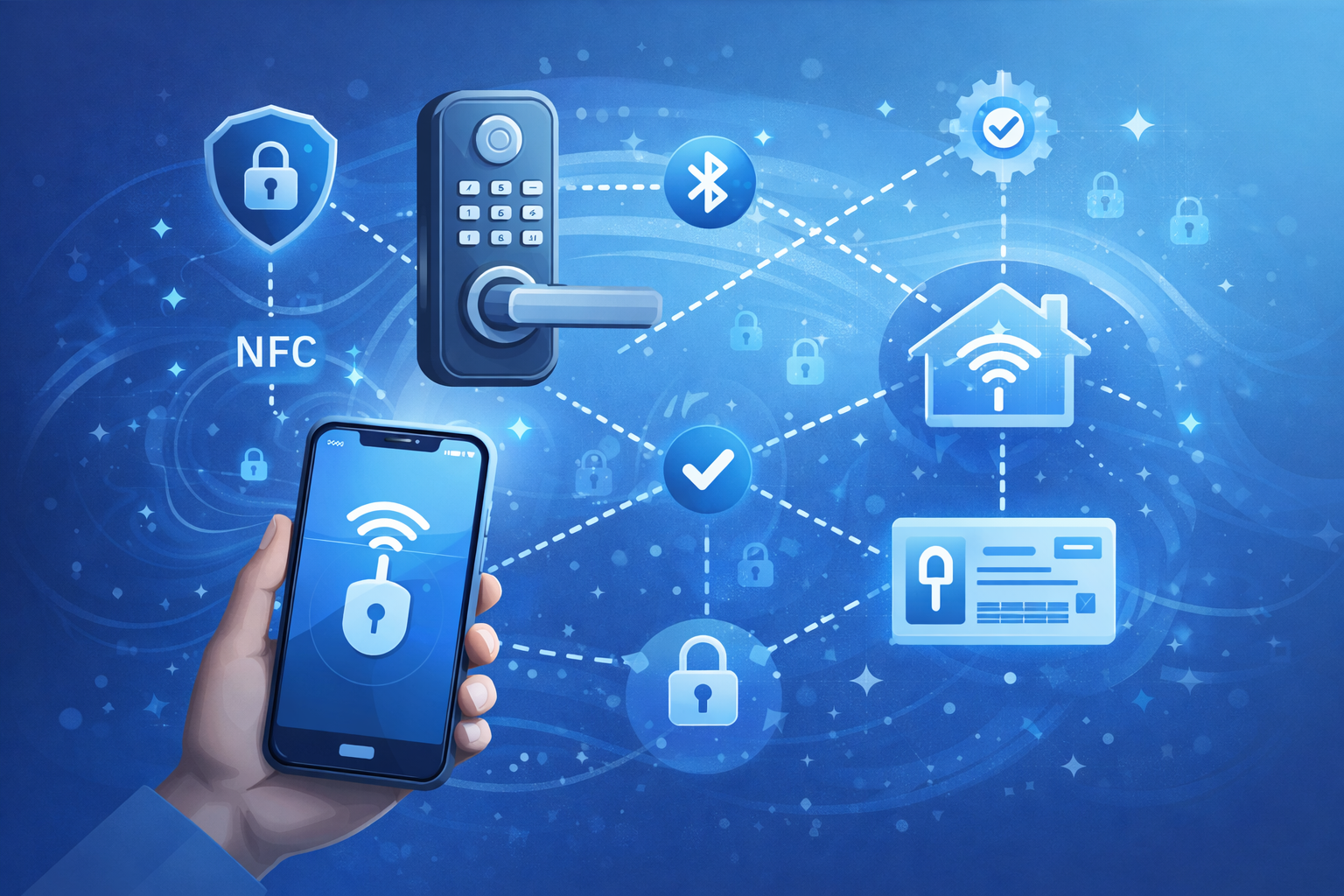
Aliro is an emerging industry standard designed to simplify and secure digital access for keyless entry systems. The goal of Aliro is to create a common framework that allows smart locks, smartphones, and access credentials to work seamlessly together. By enabling secure digital keys that can be stored on mobile devices, Aliro helps create a unified ecosystem for keyless entry. Instead of relying on separate applications or incompatible systems, users will be able to unlock doors using a single digital credential across multiple devices and lock brands.
Aliro supports technologies such as:
- NFC-based unlocking
- Bluetooth Low Energy communication
- Secure mobile credentials
- Interoperable access control systems
This standardized approach improves convenience while maintaining strong security protections for homeowners.
How Aliro Improves Smart Lock Security
Security remains a top priority for connected home devices, and Aliro aims to strengthen the safety of keyless entry systems in several ways.
Strong Encryption and Authentication
Aliro incorporates advanced encryption protocols to protect digital credentials. This reduces the risk of unauthorized access or credential duplication.
Secure Digital Credentials
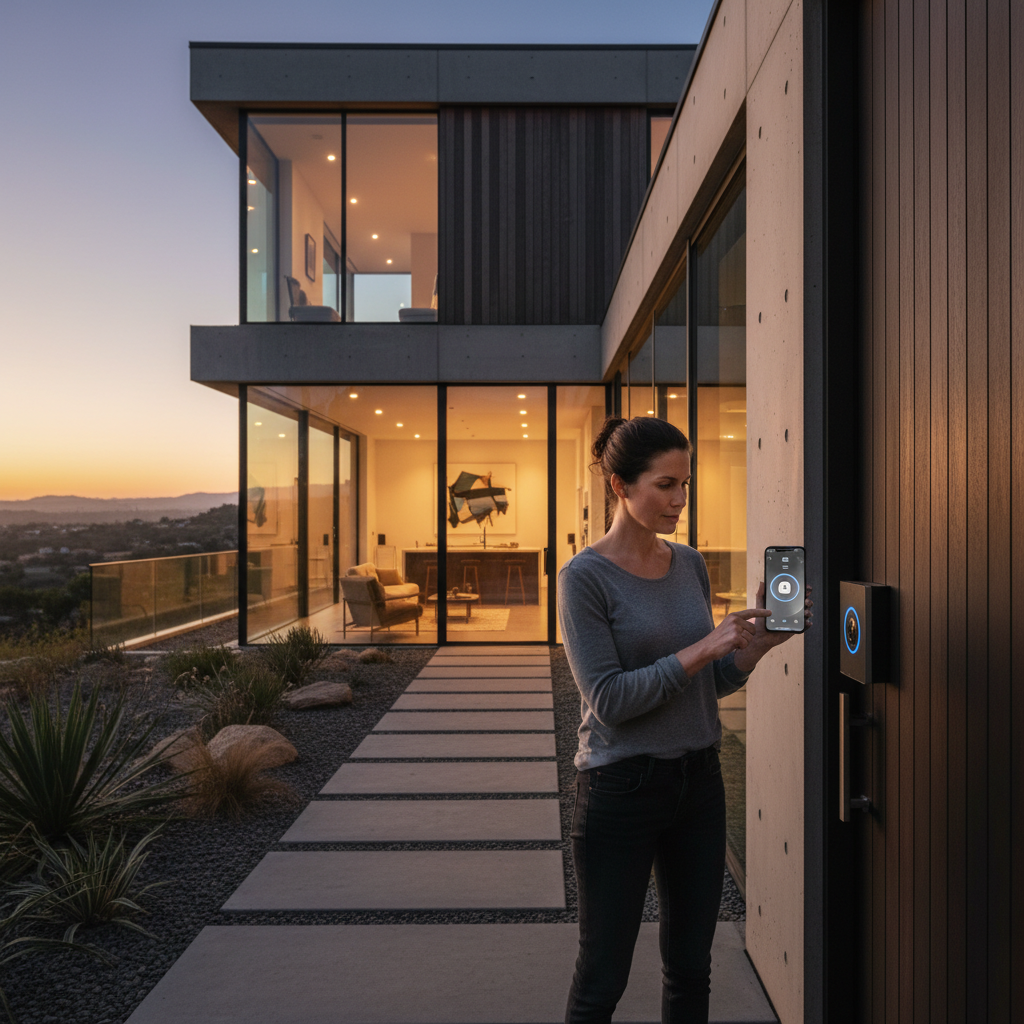
Instead of physical keys, users rely on encrypted digital keys stored on secure mobile devices. These credentials can be revoked or updated instantly if necessary.
Interoperability Across Devices
By creating a shared standard, Aliro ensures that smart locks and mobile devices from different manufacturers can communicate securely and reliably.
Future-Proof Smart Home Integration
Aliro is designed to support evolving smart home technologies, making it easier for homeowners to integrate locks with other connected devices such as cameras, alarms, and home automation systems.
The Impact of Keyless Entry on Smart Homes
Keyless entry systems are quickly becoming a cornerstone of modern smart homes. As homeowners adopt connected devices, they increasingly expect security systems to integrate seamlessly with the rest of their technology ecosystem.
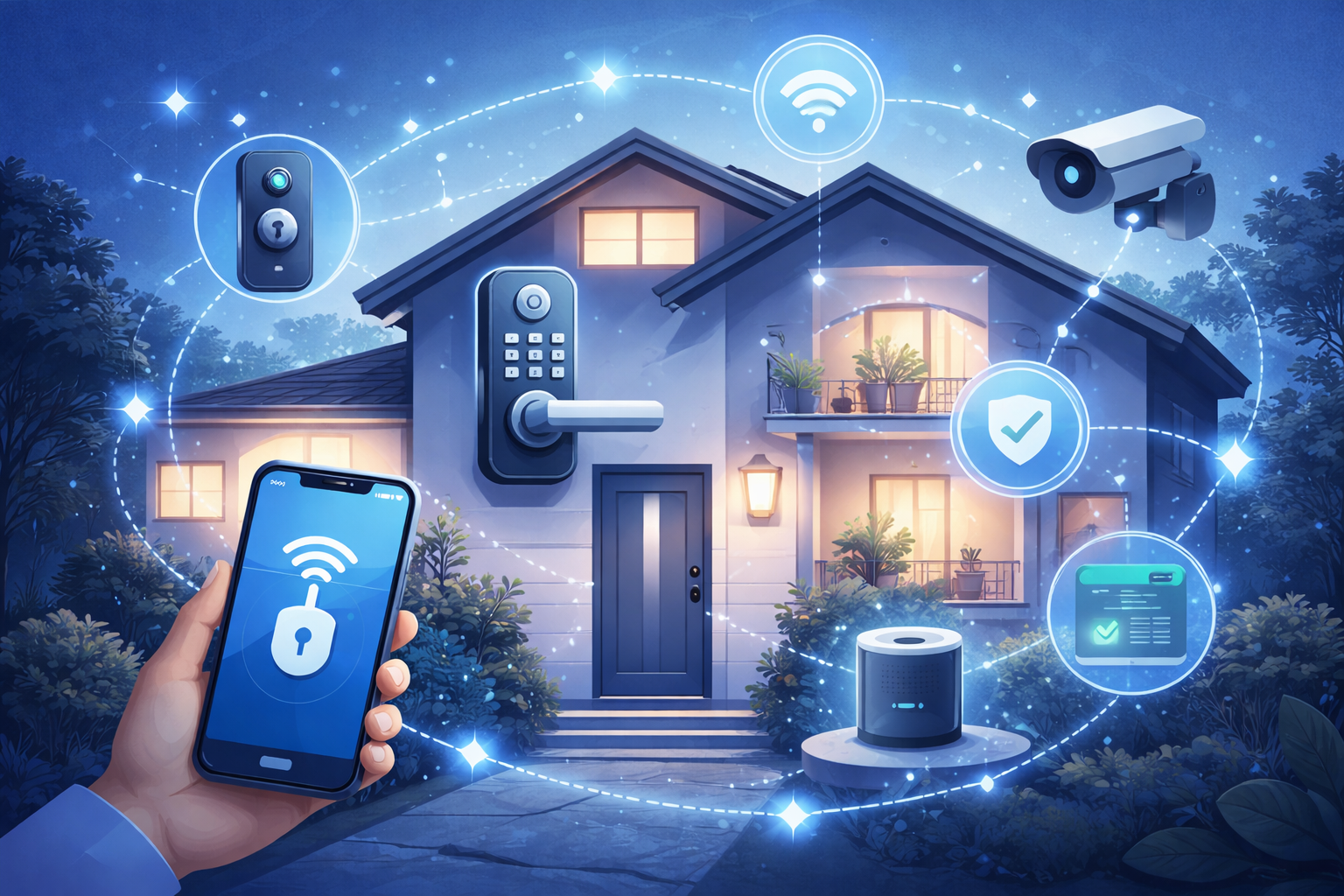
Smart locks can now work alongside the following:
- Smart doorbells and surveillance cameras
- Home automation systems
- Voice assistants
- Smart lighting and alarm systems
For example, unlocking a door could automatically turn on hallway lights or disarm a security system. These integrated experiences improve both security and convenience.
Consumers who are exploring the latest innovations in connected locks may also find our guide on the best smart locks in 2026 for enhanced home security helpful when comparing modern security solutions.
Challenges and Considerations for Smart Lock Adoption
Although smart locks provide significant benefits, homeowners should consider a few factors before adopting these technologies.
Connectivity and Reliability
Smart locks often rely on wireless connectivity. Ensuring stable Wi-Fi or Bluetooth communication helps maintain reliable operation.
Battery Management
Most smart locks operate on battery power, so regular battery checks are necessary to prevent unexpected lock failures.
Cybersecurity Awareness
As with any connected device, smart locks must be protected with strong passwords, secure networks, and trusted manufacturers.
Fortunately, new standards such as Aliro are helping address many of these concerns by improving security protocols and interoperability across devices.
The Future of Keyless Entry Technology
The future of home security is moving toward fully connected ecosystems powered by intelligent technology. As standards like Aliro gain adoption, smart locks will become more compatible, secure, and easier to integrate into smart home environments.
Future innovations may include:
- Advanced biometric authentication
- AI-powered security monitoring
- Deeper integration with smart home platforms
- Improved digital credential management
- More widespread adoption of universal smart lock standards
These advancements will continue to transform the way homeowners protect and manage access to their properties.
Frequently Asked Questions (FAQs)
1. What is keyless entry in home security?
Keyless entry is a modern security system that allows homeowners to unlock and lock doors without using traditional physical keys. Instead, users can access their homes through digital methods such as mobile apps, PIN codes, biometric authentication, or smart cards. These systems are commonly used in smart locks and provide improved convenience and access control.
2. How do smart locks improve home security?
Smart locks enhance home security by offering advanced features such as remote access, real-time alerts, activity monitoring, and digital access management. Homeowners can control and monitor their locks through smartphones, making it easier to manage who enters their home and when. Many smart locks also use strong encryption to protect digital credentials.
3. What is the Aliro standard in smart lock technology?
Aliro is an emerging interoperability standard designed to make keyless entry systems more secure and compatible across devices. It enables smartphones, smart locks, and digital credentials to work together using a unified framework, improving both security and convenience for homeowners.
4. Can smartphones be used as digital keys for smart locks?
Yes. Many modern smart locks allow smartphones to function as secure digital keys. Using technologies such as Bluetooth, NFC, or mobile apps, homeowners can lock or unlock doors, share temporary access with guests, and monitor entry activity remotely from their mobile devices.
5. Are smart locks safer than traditional locks?
Smart locks can provide stronger security when properly configured. They often include features such as encrypted digital credentials, activity logs, and remote monitoring. Unlike traditional locks, digital access can also be updated or revoked instantly, which helps improve control over who can enter a property.
6. Do smart locks work without internet access?
Many smart locks can still function locally using Bluetooth or keypad access even if the internet connection is unavailable. However, features such as remote control, real-time notifications, and activity monitoring usually require a stable internet connection.
Conclusion
The evolution of keyless entry systems represents a major shift in how modern homes are secured. Smart locks have already introduced greater convenience, remote access capabilities, and improved control over property access. As smart home technology continues to evolve, solutions like those offered by VSecure 360 help homeowners adopt advanced keyless entry systems that combine convenience, security, and seamless smart home integration. With emerging standards such as Aliro, the next generation of smart locks will offer even greater interoperability, stronger security protections, and seamless integration across devices and platforms. As technology continues to advance, keyless entry solutions will play an increasingly important role in building safer, smarter, and more connected homes.
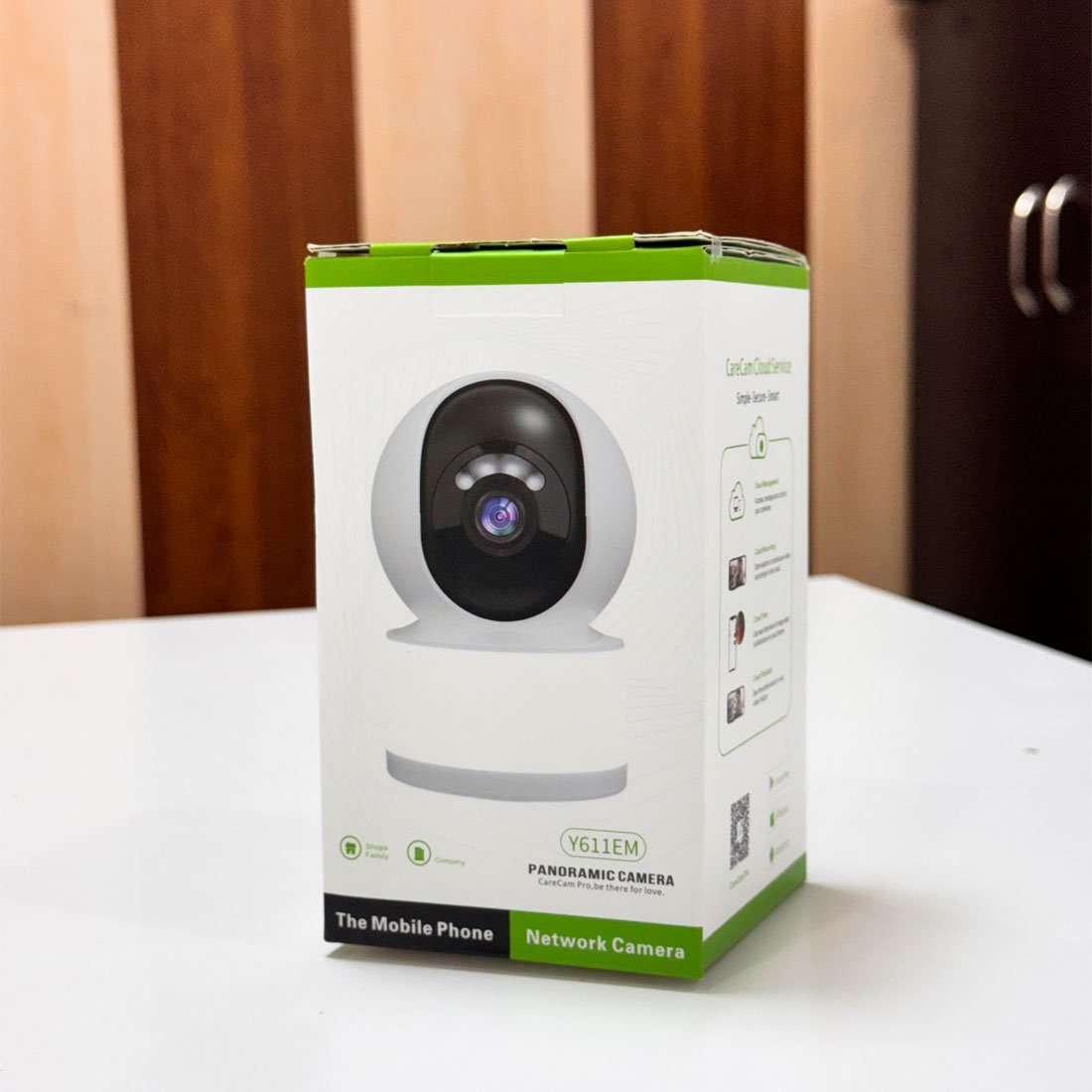 WiFi Camera
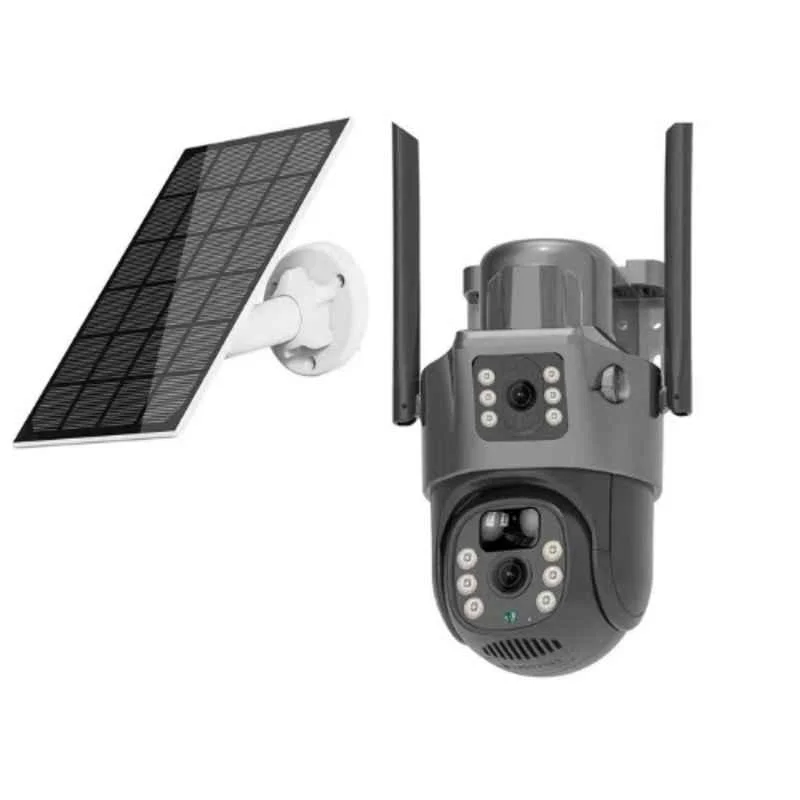 Solar Camera