We ship worldwide…


How Wireless WiFi Cameras Streamline Multi-Location Business Surveillance

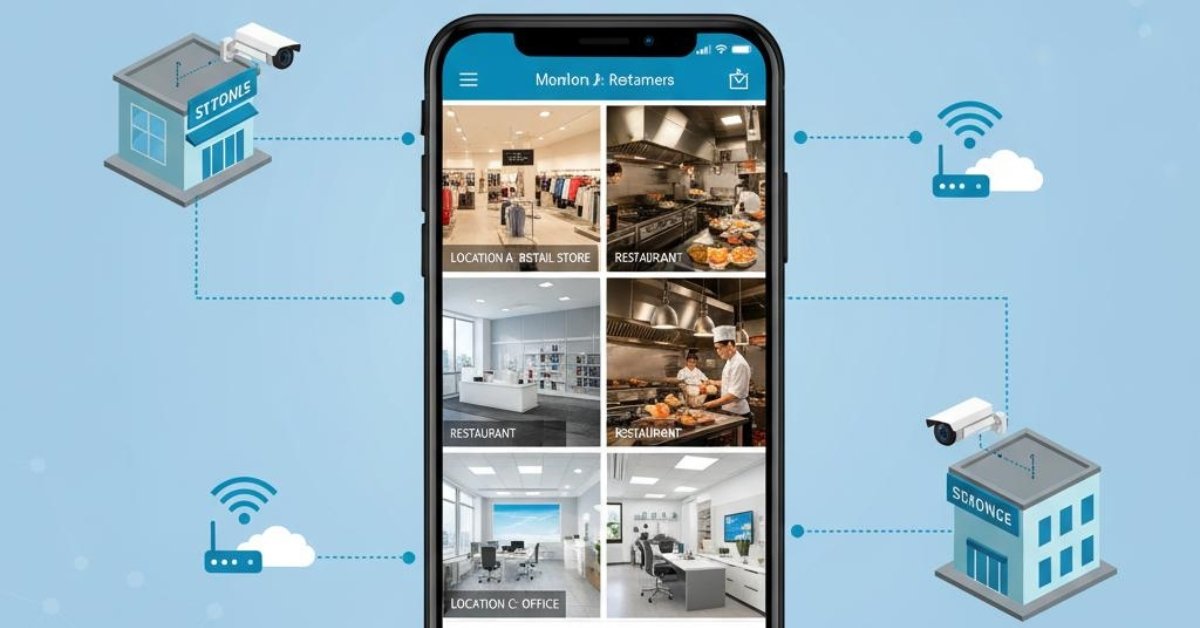
How Wireless WiFi Cameras Streamline Multi-Location Business Surveillance
In today’s business environment, security is an important pillar of business continuity and trust. Maintaining consistent, dependable and economical surveillance across branches, offices, warehouses and retail outlets can be an overwhelming challenge for businesses with multiple locations.This is where wireless WiFi cameras have emerged as a game changing solution. Compact, flexible, and highly connected, these devices provide businesses with seamless multi-location surveillance that is easy to deploy, manage and scale.
In this blog, we’ll dive deep into how wireless WiFi cameras streamline multi location business surveillance, the benefits they bring, and practical strategies to integrate them into your operations.

The Challenges of Multi-Location Surveillance
Managing security across different offices, warehouses and stores is not just about putting cameras in place. Businesses often face these problems :
Infrastructure Complexity: Wired systems need heavy cabling, DVR boxes and IT setups. Doing this at every site increases costs and technical headaches.
Monitoring Gaps: Without a single platform, managers often need to log into separate systems for each location. It makes it hard to keep track of everything consistently.
High Maintenance: Wired systems wear out over time. Maintaining them across multiple branches takes both time and money.
Scalability Issues: Adding cameras and opening new locations means rewiring that causes downtime and weak points in security.
Wireless WiFi cameras can solve these issues as they provide a simple, smart and more flexible way to handle surveillance.
What Makes Wireless WiFi Cameras Ideal for Businesses?
Wireless WiFi cameras connect over local wireless networks and store footage either on the cloud or on secure local storage options. Unlike wired CCTV systems, they are designed for plug and play deployment, minimal maintenance and remote access capabilities.
Key features include :
- Wireless Connectivity : Eliminates complex cabling, making them easier and faster to install.
- Cloud Storage : Secure, centralized storage that allows footage retrieval from anywhere.
- Remote Access : Managers can monitor multiple sites in real time through mobile apps and desktops.
- Smart Features : AI powered motion detection, facial recognition and night vision for more security.
- Scalability : Cameras can be added with minimal effort as businesses grow.

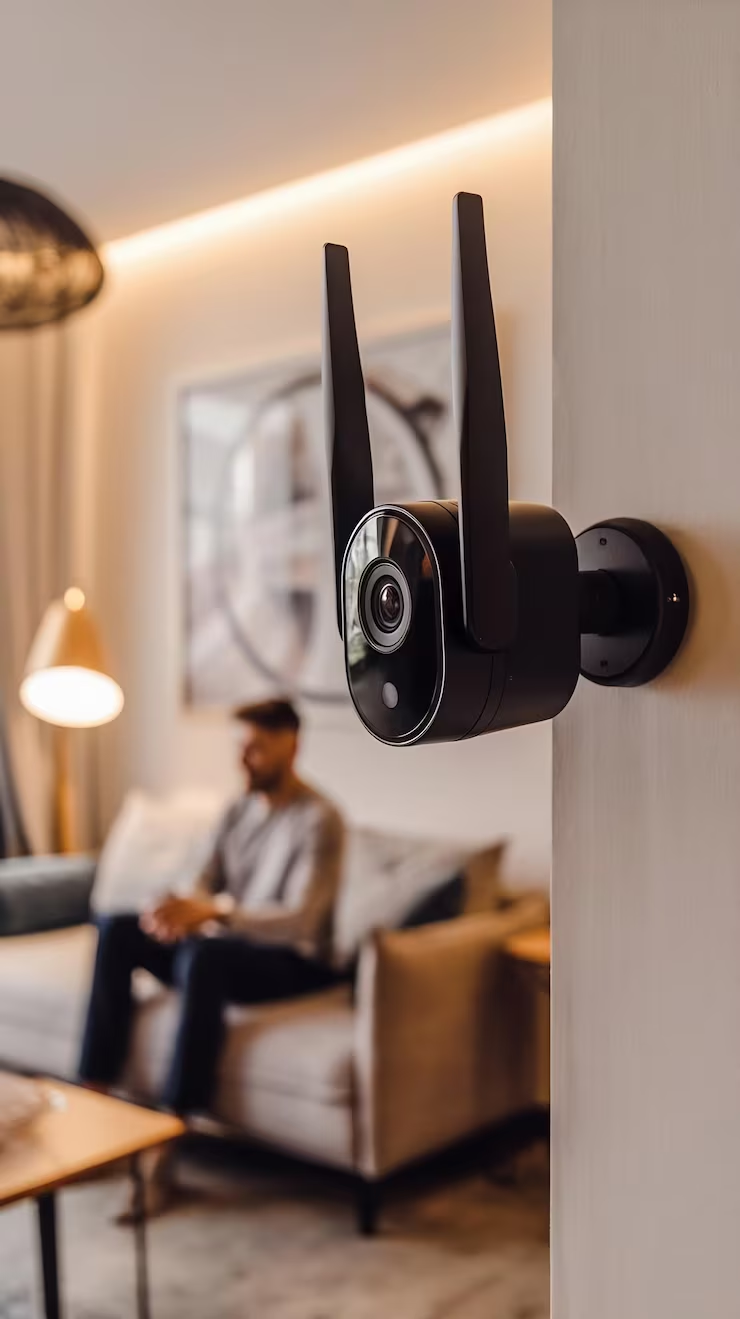
How Wireless WiFi Cameras Simplify Multi-Location Surveillance
1. Centralized Monitoring Anywhere:
One of the biggest benefits is being able to manage all your sites from one dashboard. All cameras can be accessed from a unified platform no matter if you run five retail stores or twenty warehouses.
2. Simplified Installation and Deployment:
Traditional CCTV systems often take days to install at a new location. They need professional technicians, rewiring and downtime. On the other hand Wireless WiFi cameras can often be installed by in-house teams within hours.
Companies can quickly install cameras in new offices and temporary project sites because there are flexible mounting options and no need for cabling infrastructure. This lowers installation costs and delays considerably.
3. Cost Effective Scalability:
Expanding surveillance doesn’t have to drain your budget. Wireless systems reduce upfront investment by reducing the need for complex hardware like DVRs and long cabling.
Businesses can begin small and grow gradually by adding more cameras as needed without extensive rewiring. This makes WiFi cameras ideal for fast growing enterprises, franchise models and seasonal operations.
4. Enhanced Security Through Smart Features:
Modern WiFi cameras aren’t just passive recorders, they actively enhance security with features like:
- Motion and intrusion detection : Alerts when unusual activity is detected.
- Facial recognition and license plate recognition : Useful for controlled access and identifying repeat visitors or threats.
- Night vision and low light recording : Ensures 24/7 coverage regardless of lighting conditions.
5. Remote Access and Real Time Alerts:
Managers receive real time alerts if suspicious activity occurs, no matter if it’s a break-in attempt, an after hours entry or unexpected motion in restricted areas.
6. Cloud Based Storage and Compliance:
Cloud based WiFi cameras solve this by securely storing recordings in encrypted servers.This improves accessibility while also assisting in meeting regulatory requirements in sectors where audit trails are essential, such as retail, healthcare and finance.
7. Reduced IT and Maintenance Burden:
Since wireless WiFi cameras run on existing networks and offer automated software updates, the need for hands-on IT maintenance drops significantly. Many models support self diagnostics and send alerts if a device is offline and requires attention.

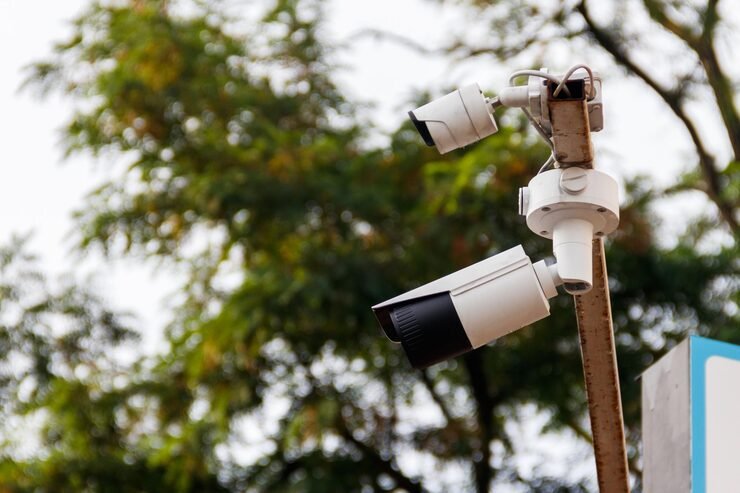
Real World Use Cases
Retail Chains: Stores use WiFi cameras to reduce theft, monitor customers and study foot traffic. Managers can compare store performance and enforce consistent safety standards across all branches.
Warehousing: Warehouses and distribution centers depend on wireless surveillance to track vehicle movements and secure goods. Remote monitoring cuts down on the need for large on site security teams.
Corporate Offices: Companies with multiple offices benefit from centralized security and faster emergency responses.
Restaurants and Hotels: The hospitality industry uses WiFi cameras to keep both guests and staff safe, covering both public areas and restricted spaces.
Overcoming Common Concerns
Some businesses hesitate to use wireless WiFi cameras due to concerns about connectivity, hacking, or reliability. Let’s break those down :
- Connectivity
Modern cameras are designed to handle high-definition streaming even on average business WiFi networks. Businesses can also prioritize security devices using network segmentation. - Cybersecurity
Leading providers use encryption, multi factor authentication and secure cloud storage to safeguard footage from hacking attempts.


Best Practices for Deployment
- Evaluate Each Location
Plan placement based on layout, WiFi coverage, and security needs. - Pick Quality Devices
Choose reliable brands that provide HD video, encryption, and frequent updates. - Strengthen Your Network
Upgrade routers or install mesh WiFi systems to avoid connectivity issues. - Use Smart Analytics
Apply AI insights not only for security but also for improving business operations, like tracking customer flow. - Train Your Team
Make sure employees know how to use the system effectively, respond to alerts and maintain standards.
The Future of Surveillance
Surveillance is moving toward smart, connected ecosystems. WiFi cameras are being combined with IoT devices, access control systems and AI powered tools.
Imagine a camera spotting suspicious activity, locking the nearest smart door and alerting security staff instantly. This kind of integration is the future, making surveillance both protective and efficient.
Frequently Asked Questions
Q. Do WiFi security cameras slow down the network?
Ans: Yes, WiFi security cameras use bandwidth that can slow down your network if multiple cameras are streaming in HD.
Q. How does a wireless WiFi camera work?
Ans: To record and capture video, a wireless camera needs to connect with your network. The video is then transmitted to a receiver that can be connected to a built-in storage device or cloud storage, giving you access to it at any time.
Q. How do wireless cameras get power?
Ans: Wireless cameras don’t need external power sources. They have batteries built in for power.
Q. How far can wireless cameras transmit?
Ans: Around 50m indoors and 150m outdoors is where the majority of wireless security cameras work best. Obstacles from other devices in indoor settings are the cause of the difference.
Final Thoughts
Wireless WiFi cameras have transformed the way businesses manage multi location surveillance. They offer a scalable, cost effective and future ready solution by eliminating the complexity of wired systems, providing centralized access and complete security through smart features. For businesses looking to secure multiple sites adopting wireless WiFi surveillance isn’t just a smart move, it’s a strategic necessity.
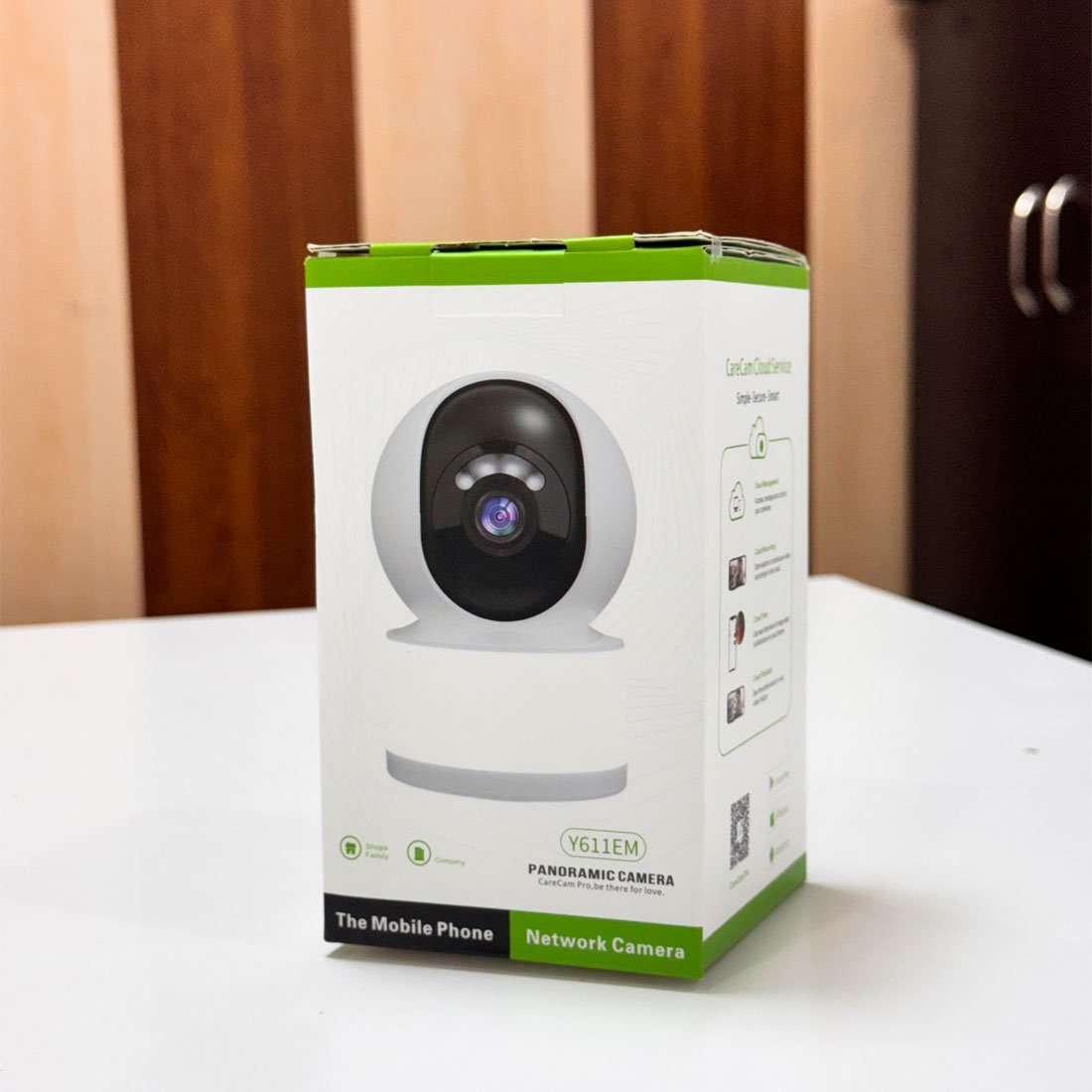 WiFi Camera
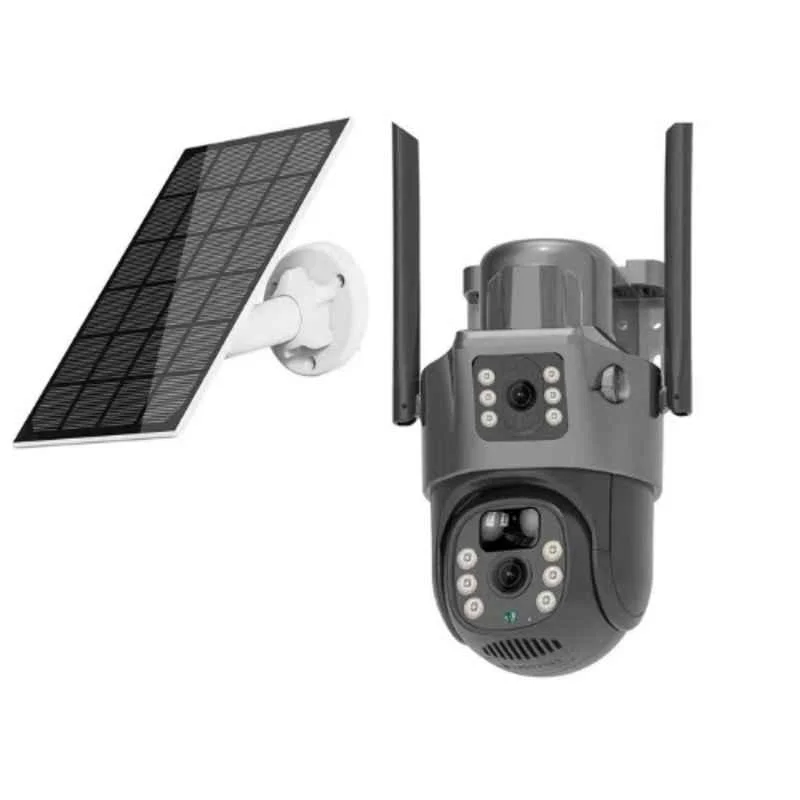 Solar Camera