We ship worldwide…


The Impact of Biometric Technology on Remote Work Security


The Impact of Biometric Technology on Remote Work Security
The global pandemic has increased the shift to remote work, which has permanently changed how businesses handle security. The traditional corporate perimeter is changed as workers log in from public Wi-Fi, co-working spaces, and even home networks. In this new reality, ensuring secure access to sensitive data and business systems is both a challenge and a top priority. Biometrics is one technology that is being used more and more to address these issues. From fingerprints and facial recognition and behavior patterns, biometric technology is shaping how organizations secure remote workers.
This blog looks at how biometrics are used in remote work security, their benefits, challenges, and what they mean for the future of work.
The Growth of Remote Work and the Security Issues It Presents
Unprecedented flexibility has been made possible by remote work, but cybercriminals now have a larger attack surface. Some of the most pressing security issues include:
- Password Vulnerabilities
Traditional password and username combinations are weak. Workers choose easy-to-guess passwords, write them down, or reuse them across platforms.. For remote employees who depend on digital access, this is a huge weakness. - Phishing and Social Engineering
Remote workers are common targets for fake emails that trick them into sharing passwords, especially without IT help nearby. - Device and Endpoint Security
Home devices often lack enterprise grade security tools, making them easier entry points for attackers. Laptops and smartphones used for remote work may also be shared with family members, further increasing risk. - Network Security
Office Wi-Fi networks are safer than those in homes or public areas. By using unsecured connections, hackers are able to intercept data transmissions.

What Is Biometric Technology?
The physical and biological traits that are utilized to verify an individual’s identity are known as biometric technology. Biometrics are an integral part of who you are unlike passwords or security tokens, which can be lost or stolen. The most common are:
Fingerprint Recognition – Fingerprint biometric device is the most popular and affordable option. People use it in offices, schools, gyms, and homes because it’s quick and reliable.
Facial Recognition – A contactless method that scans your face to confirm identity. It’s becoming common in offices, hospitals, airports, and high-security places.
Card Access – Entry is given by swiping or tapping a smart card. It is simple to use and often combined with biometrics for further security.
PIN Code Access – Users input a code on a keypad, to unlock doors. It provides a safe method of controlling access without the need for cards or keys and is simple to set up and operate.
Also Read: What Are Biometric Access Control Systems? A Complete Overview

Benefits of Biometrics for Remote Work Security
-
1. Stronger Authentication
Passwords can be stolen and hacked. Biometric data is hard to replicate that makes it a more reliable form of authentication. Even if a device is lost, unauthorized users cannot enter biometric locks, without the rightful owner.
-
2. Convenience and User Experience
Remote employees often juggle multiple applications and platforms. It can be frustrating to constantly enter difficult passwords.. Quick fingerprint scans and other biometric logins provide an effective and smooth user experience without sacrificing security.
-
3. Reduced Chance of Credential Theft
Since biometric traits cannot be easily shared, employees are less likely to engage in risky practices like writing down credentials. Additionally, phishing attempts that depend on password theft lose their effectiveness.
-
4. Multi Factor Authentication (MFA) Integration
Biometrics can be combined with other factors such as PINs, to create a strong MFA system. For remote workers, this approach significantly enhances protection against unauthorized access.
-
5. Continuous Authentication
Behavioral biometrics, as compared to static credentials, are able to continuously verify identity over the course of a session. For example, the system can identify possible intrusions if typing patterns drastically change.

Real-World Applications in Remote Work
- Secure Device Access
Only authorized employees can access work devices because of laptops and smartphones that have built-in biometric scanners. - Cloud Platforms
Many cloud services now support biometric authentication for login, providing secure access to shared company resources. - Remote Call Centers
In order to lower the risk of fraud, voice recognition is being used more and more in remote call centers to verify customers or employees. - Virtual Meetings
Biometric logins for videoconferencing tools prevent unauthorized access to sensitive discussions. - Healthcare and Finance
Biometrics are used by industries with strict compliance standards to ensure that sensitive data is only accessible by authorized individuals.
Challenges and Concern of Biometrics

Privacy
Employees don't feel comfortable giving their biometric information to companies. As compared to passwords, Biometrics can't be changed in the case of theft.

Data Security Risks
Hackers can target databases of biometric data, making strong encryption essential. A breach of biometric databases could expose sensitive personal information permanently.

Cost and Access
Not all businesses or workers can afford biometric systems or devices. Implementing biometric technology often requires significant investment in hardware, software, and system integration.

Accuracy and Fairness
For some groups, bias and errors have been a problem for some systems, particularly facial recognition.
The Role of Biometrics in a Zero Trust Security Model
The “never trust, always verify” zero-trust framework is quickly taking the lead in protecting remote operations. Biometrics align well with this model by providing continuous and context based authentication.
- Identity Verification: Every login and access attempt is verified using biometric traits.
- Adaptive Authentication: Additional biometric checks are required by systems in response to risk signals, such as logging in from an unknown device or location.
- Session Monitoring: Ongoing assurance that the authenticated user stays the same during the session is offered by behavioral biometrics.

The Future of Biometrics in Remote Work
- Local Storage – Biometric data may be kept on personal devices instead of big databases.
- Smarter Behavioral Biometrics – AI will better detect small, unique patterns.
- Wearable Devices – Watches and other gadgets may use heart rate or body signals.
- Built-in Security – Collaboration tools and digital workspaces will use biometrics by default.
- Stronger Regulations – More regulations regarding the use of biometrics will probably be added by governments.

Conclusion
Biometric technology is reshaping the security landscape for remote work. By using unique human traits for authentication, security becomes stronger and the login process easier for users. It also fits well with modern security approaches like Zero Trust. But it’s important to adopt it carefully, making sure to balance safety with privacy, legal rules, and employee confidence.
Biometrics will reshape the interaction between people and technology in the digital workplace as remote work continues to develop. Businesses that responsibly apply these solutions will be in a better position to thrive in a time when it’s becoming harder to differentiate between home and the office.
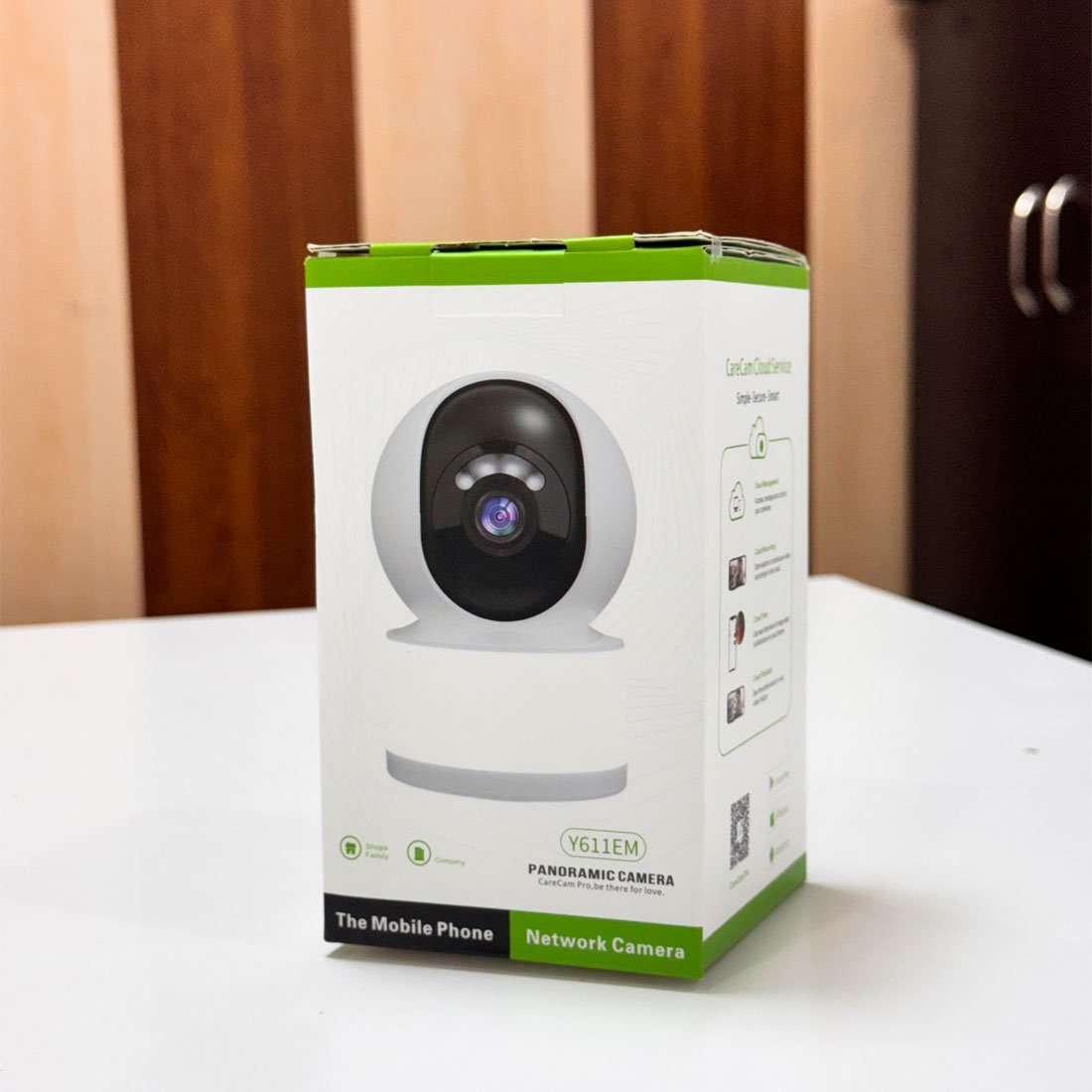 WiFi Camera
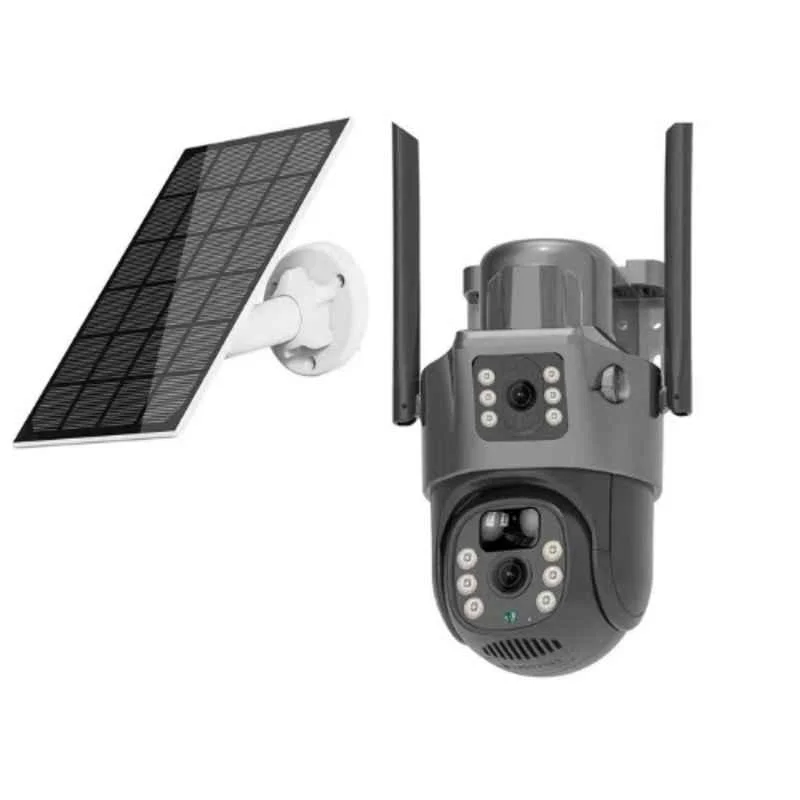 Solar Camera