We ship worldwide…


What Are Biometric Access Control Systems? A Complete Overview


What Are Biometric Access Control Systems? A Complete Overview
In today’s digital world, security is more than just locks and keys. Organizations, workplaces, and even residential areas are looking for a smarter and technology driven solution to protect. Security is the main priority to protect and keep information safe. One of the most advanced technologies is the biometric access control system. Instead of relying on traditional methods like keys, passwords, or ID cards, biometric systems use unique human characteristics , like fingerprints, facial recognition, and cards to verify identity.
In this blog, we will explain what biometric access control systems are, how they work, their advantages, types, applications, and why they are becoming the choice for modern security.
Features of Biometric Access Control Systems
Identity Verification:
Protects that the individual who enters a system or resource is actually who they say they are. In biometrics, this is accomplished by matching distinctive identifiers (such as fingerprints, iris scans, or faces) to saved information. It closes the door to unauthorized entry and adds security beyond mere passwords or PINs.
Scalability:
The system is capable of accommodating growth—additional users, devices, or transactions—without declining performance. For access control, scalability is the ability of the biometric system to be installed in small offices and large enterprises alike, with millions of identities supported, without slowing down or losing accuracy.
Data Logs:
Automatic access events get logged, leaving an audit trail. Every attempt at authentication (succeeding or failing) can be logged along with information such as timestamp, user ID, and location. This is important for compliance, monitoring, and forensic investigations in case of a breach.
User-Friendly:
Biometric access control should be user-friendly and simple. In place of remembering complicated passwords or physical keys/cards, users simply provide their fingerprint, face, or iris scan. This enhances convenience and minimizes the possibility of human error.
Fast Processing:
Current biometric systems authenticate requests in fractions of a second. Fast processing guarantees smooth flow of entry (e.g., workers entering an office complex) and minimizes delay, even during high usage.
High Accuracy:
Sophisticated biometric algorithms register very low false acceptance (admitting the wrong individual) and false rejection (denying the right individual) rates. High precision instills confidence in the system to make it dependable for sensitive applications like finance, medicine, or national security.
How Biometric Access Control Systems Work
Biometric systems work on the principle of recognizing physical and behavioral characteristics of an individual. Here is an explanation of how they work:
- Enrollment: A biometric characteristic, such as a fingerprint, face, or card scan, is initially recorded by the system. After scanning, these are transformed into a digital template.
- Storage: The collected biometric information is translated into an encrypted digital code. These templates are safely kept in a database, user privacy is preserved because raw biometric scans are never made public.
- Capture: the system scans their biometric features when a user attempts to enter, again. For example, a fingerprint biometric scanner or facial recognition camera captures the live input instantly.

4. Matching: The newly captured data is compared against the stored template. Advanced algorithms analyze unique patterns to verify whether the input matches an existing record.
5. Decision: If the data matches successfully, the system grants access within seconds. If the match fails, access is denied. In some cases, the system may generate an alert for administrators.
6. Real Time Monitoring: Many modern biometric systems also maintain access logs, showing who entered, when, and through which point. This helps organizations monitor activities and strengthen security measures.
Types of Biometric Access Systems
Biometric access systems can work in different ways. The most common are:

Fingerprint Recognition
The most common biometric method, available in devices like VLock HARPY 3802 for offices and homes.

Facial Recognition
Modern contactless access with VLock HAWK K11 , ideal for high-traffic offices.

Card Access
Entry is given by swiping or tapping a smart card. It’s simple to use and often combined with biometrics for better security.

PIN Code Access
Users enter a number code on a keypad to unlock doors. It is easy to set up, convenient to use, and offers a secure way to control entry without needing cards or keys.
Applications of Biometric Access Control
Corporate Offices
Biometric systems help offices stay secure by allowing only employees to enter. They remove manual work that makes attendance tracking easy and accurate.
Healthcare
Clinics and Hospitals use Biometrics to safeguard patient data and manage access to private spaces like ICUs and labs. This keeps both data and people safe.
Education
Schools and colleges use biometric access to record student attendance and secure entry gates. It stops outsiders from entering, creating a safer environment for students.
Residential Spaces
In apartments and housing societies, biometrics let residents enter without keys or cards. It makes daily access easy and adds extra safety for families.
Real Estate
Builders add biometric systems to new housing and office projects as a modern feature. It increases the value of real estate and draws in purchasers seeking safe and intelligent environments.
Retail
Shops and warehouses use biometric access to protect storage areas, cashier counters, and staff only sections. It helps prevent theft and keeps better control over access.
Hotel Management
Hotels use biometrics for faster, keyless check-ins. The use of fingerprint or biometric face recognition to unlock rooms enhances the convenience and security of guests.

How to Put a Biometric Access Control System in Place
- Assess Requirements: Start by identifying which areas or entry points need biometric security, like main gates, server rooms, or restricted zones. This helps in system planning based on real security requirements.
- Choose the Right Technology: Based on your security and budget, choose the most suitable method- fingerprint, Biometric face scanner, card, or PIN. In some cases, combining methods offers the highest protection.
- Install Hardware and Software: Put biometric scanners in place and attach them to doors or gates. Verify that the program integrates easily with your present security or attendance system.
4. Enroll Users: Register the biometric details of all authorized individuals. This step ensures the system has accurate data for future verification.
5. Test the System: Run multiple checks to confirm the system works reliably in real situations. Testing ensures smooth daily use and helps correct errors early.
6. Train Users: Teach staff, residents, and employees the correct way to use the system. Confusion is prevented and everyone’s comfort level with the new setup is guaranteed with proper training.
7. Maintain & Update: Regularly update the software, check system logs, and service the hardware. Long term system security, accuracy, and efficiency are maintained by regular maintenance.
Why Choose Biometric Access Systems?
The demands of the modern world are too great for traditional security measures to meet. While biometric data is safe and distinct, passwords can be guessed and cards can be lost. These systems offer speed, transparency and convenience that are great for both individuals and organizations. No matter If operating a business, an institution, or your home, biometric access control systems offer a solution that is ready for the future and strikes a balance between security and use.

Conclusion
Biometric access control is becoming the standard for security, more than just a trend. These methods offer peace of mind that traditional approaches just cannot match by depending on something that cannot be replicated—your own physical characteristics. Biometric solutions become increasingly more intelligent, quick, and economical as technology advances, becoming a necessary component of daily life.
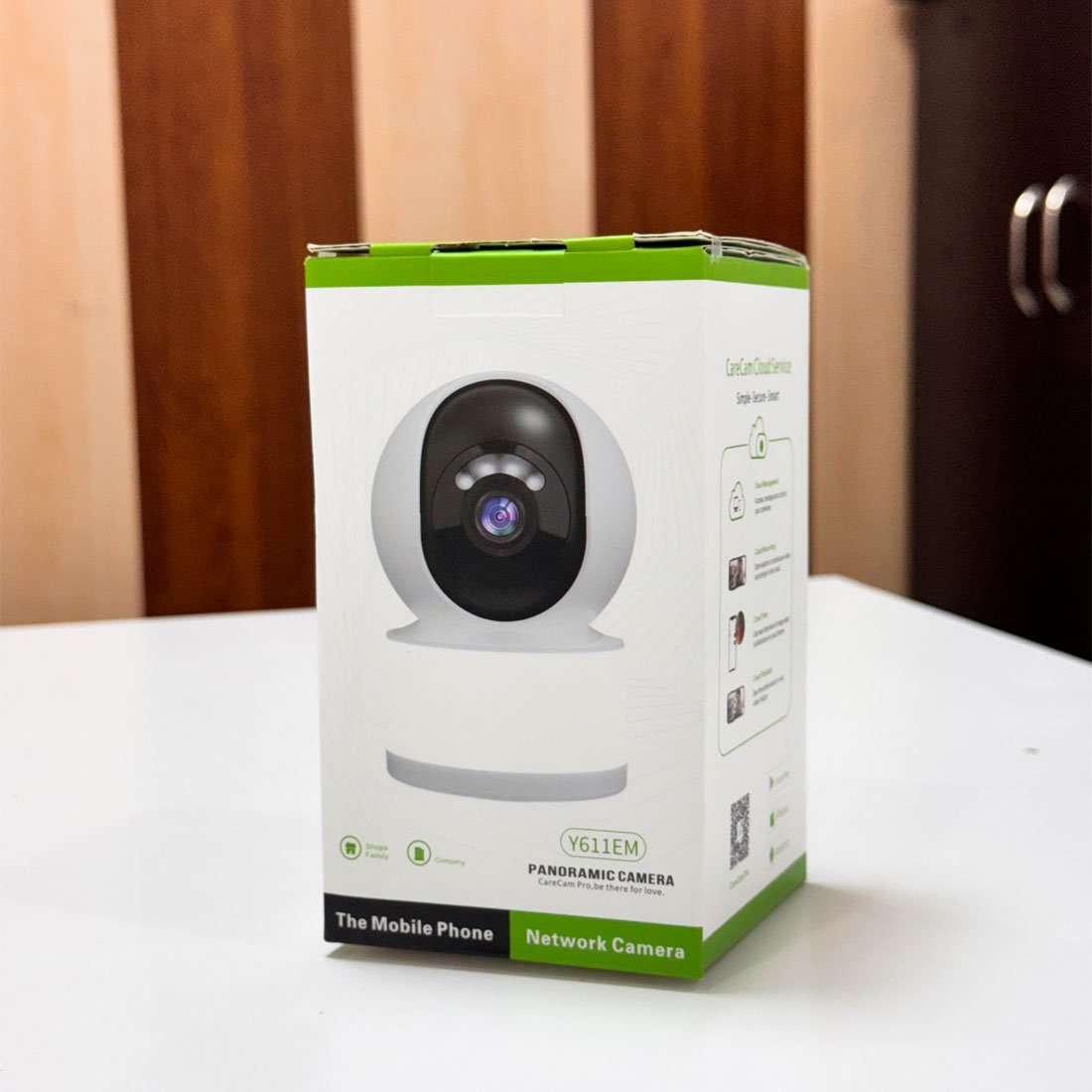 WiFi Camera
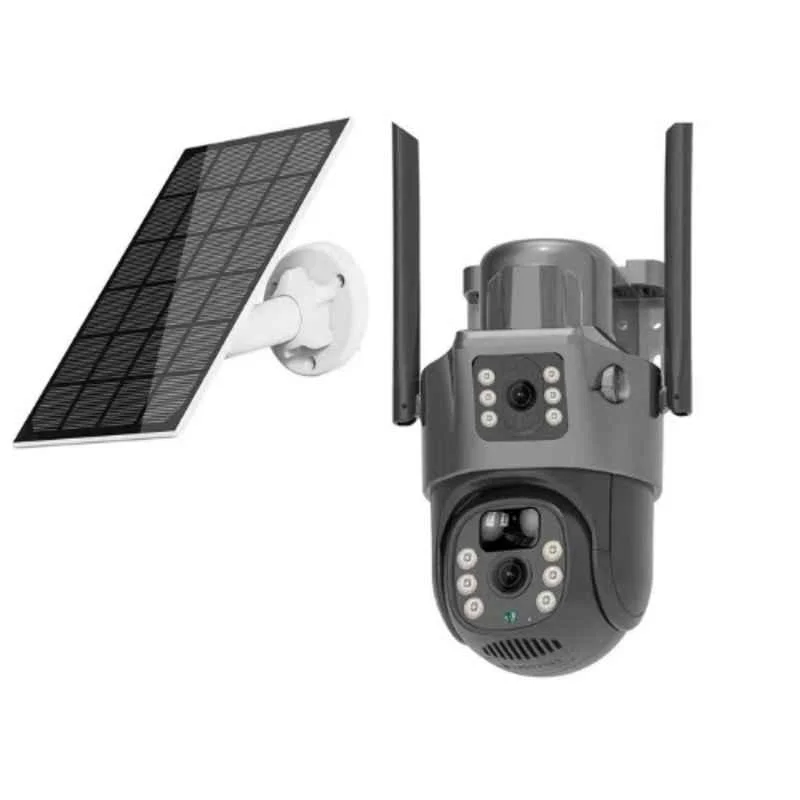 Solar Camera