We ship worldwide…


Biometric or Digital Lock: Which Offers Better Security and Convenience?

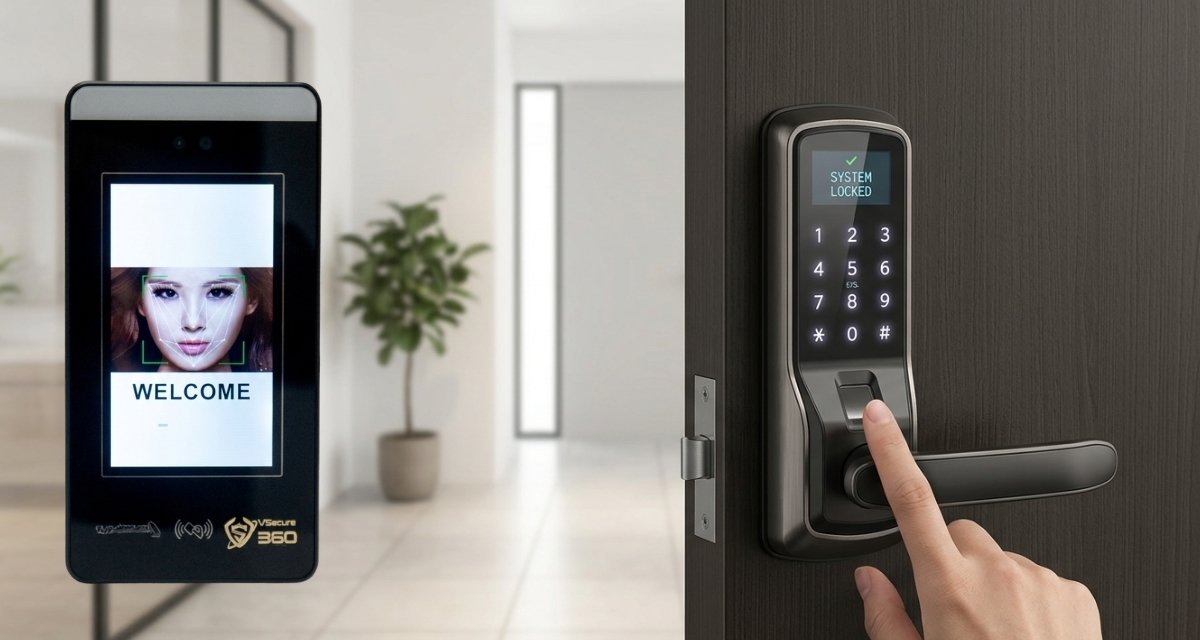
Biometric or Digital Lock: Which Offers Better Security and Convenience?
Home security has evolved far beyond traditional keys and mechanical locks. Today, homeowners are choosing smarter solutions that offer both protection and everyday convenience. Among the most popular options are biometric locks and digital locks, each designed to simplify access while enhancing safety.
If you are planning to upgrade your home security, you might be wondering which option is better. This guide breaks down the differences, benefits, and practical considerations to help you choose the right solution for your home.
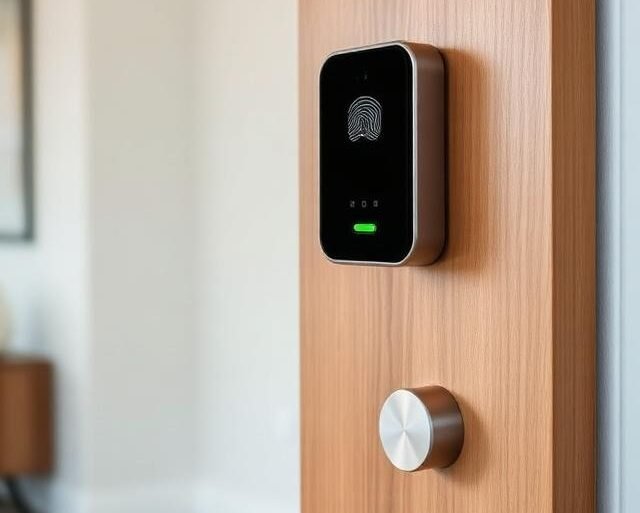
What Is a Biometric Lock?
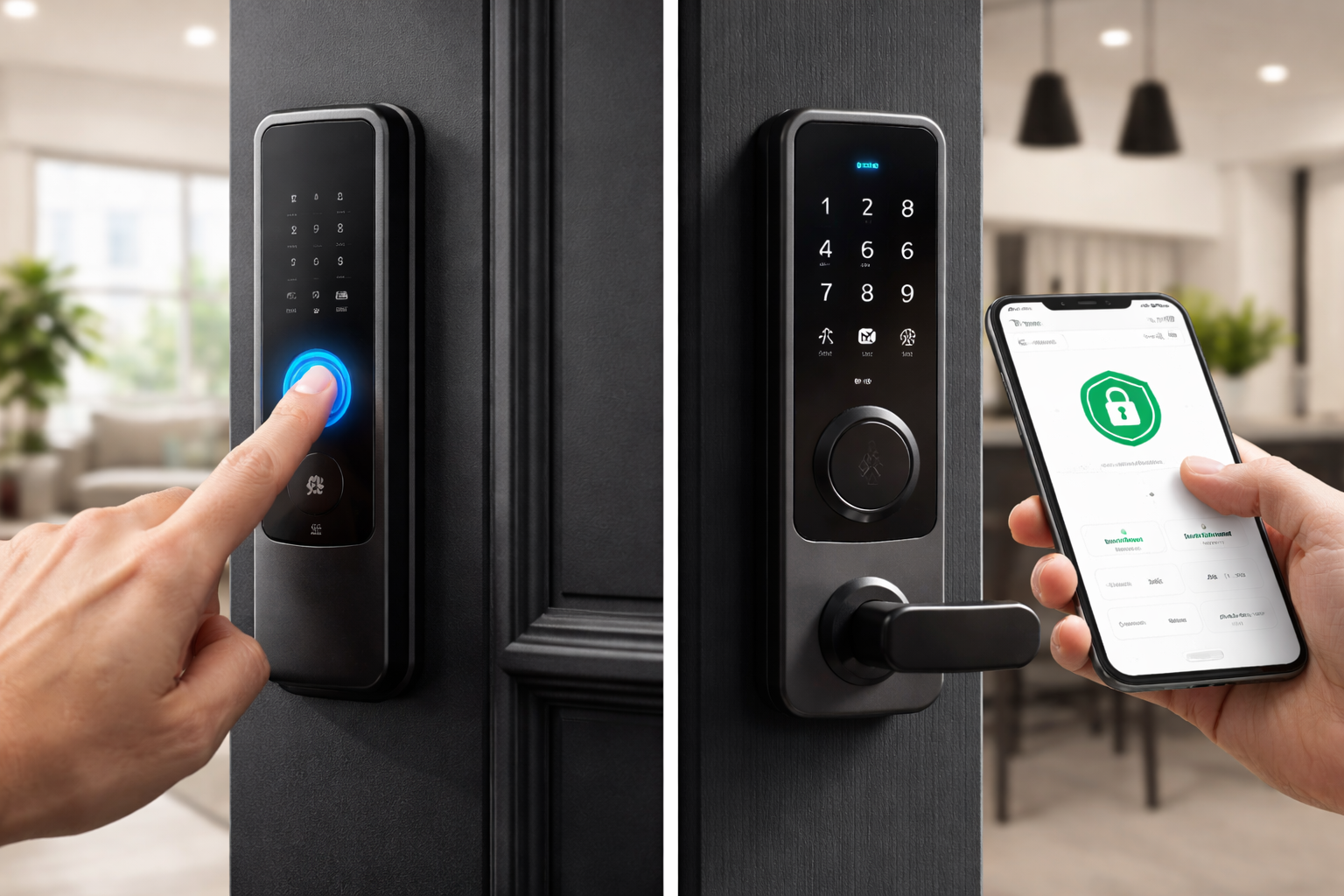
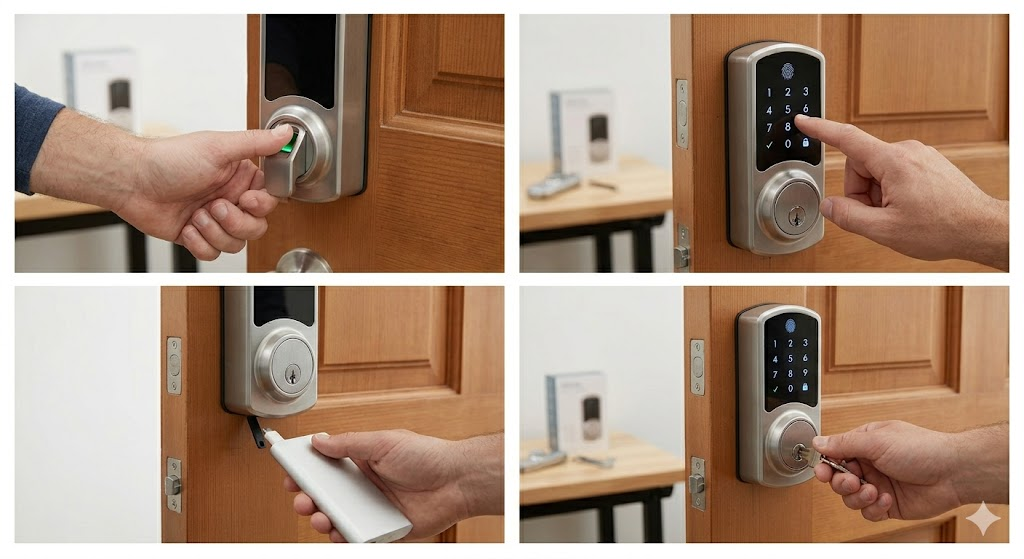
A biometric lock uses unique physical traits, most commonly fingerprints, to grant access. Instead of remembering passwords or carrying keys, you simply use your fingerprint to unlock the door.
These locks are known for:
- Fast and seamless access
- High level of personalization
- Reduced risk of unauthorized entry
Biometric locks are often preferred by users who want quick access without relying on codes or devices.
What Is a Digital Lock?
A digital lock refers to any electronic lock that uses PIN codes, mobile apps, RFID cards, or a combination of methods for entry. Unlike biometric locks, they may or may not include fingerprint functionality.
Key features include:
- Multiple access options
- Easy user management
- Flexibility for shared access
Digital locks are ideal for homes where multiple people need access, such as families or rental properties.
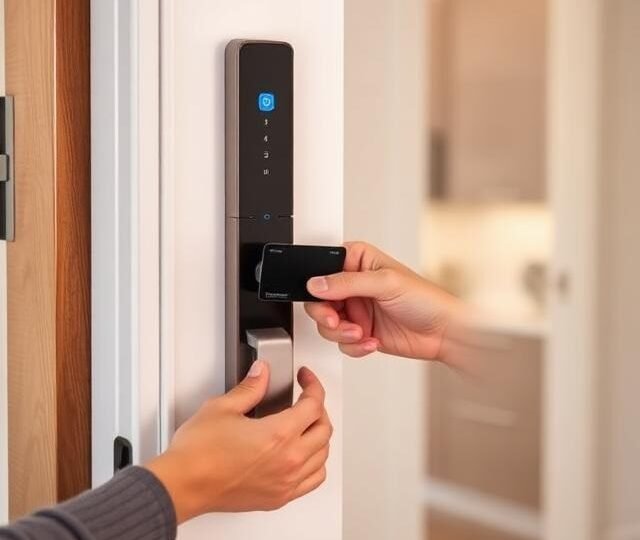
Biometric vs Digital Locks: Key Differences
| Feature | Biometric Lock | Digital Lock |
|---|---|---|
| Access Method | Fingerprint-based | PIN, app, card, or hybrid |
| Convenience | Very fast for individuals | Flexible for multiple users |
| Security | Highly personalized | Depends on access controls |
| User Management | Limited users | Supports multiple users easily |
| Backup Options | Often includes PIN or key | Multiple backup methods |
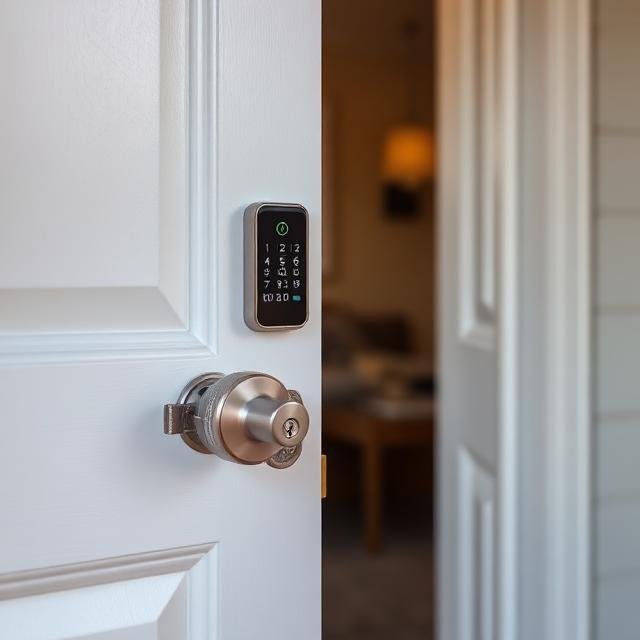
Which Offers Better Security?
When it comes to security, both biometric
and digital locks are designed with advanced protections.
However, their effectiveness depends on features and usage.
Biometric locks provide:
- Unique fingerprint authentication
- Reduced risk of password sharing
- Quick and secure access
Digital locks offer:
- Multiple authentication layers
- Temporary access codes
- Remote control and monitoring
Understanding modern smart lock security features is
important when comparing these options. Features like
auto-lock, tamper alerts, encryption, and activity tracking
play a major role in overall security, regardless of the lock type.
Which Is More Convenient?
Convenience often depends on your lifestyle.
Biometric locks are ideal if you:
- Want instant access without remembering codes
- Prefer a personal and secure unlocking method
- Live in a small household
Digital locks are better if you:
- Have multiple users at home
- Need to share access with guests or staff
- Want remote control through a mobile app
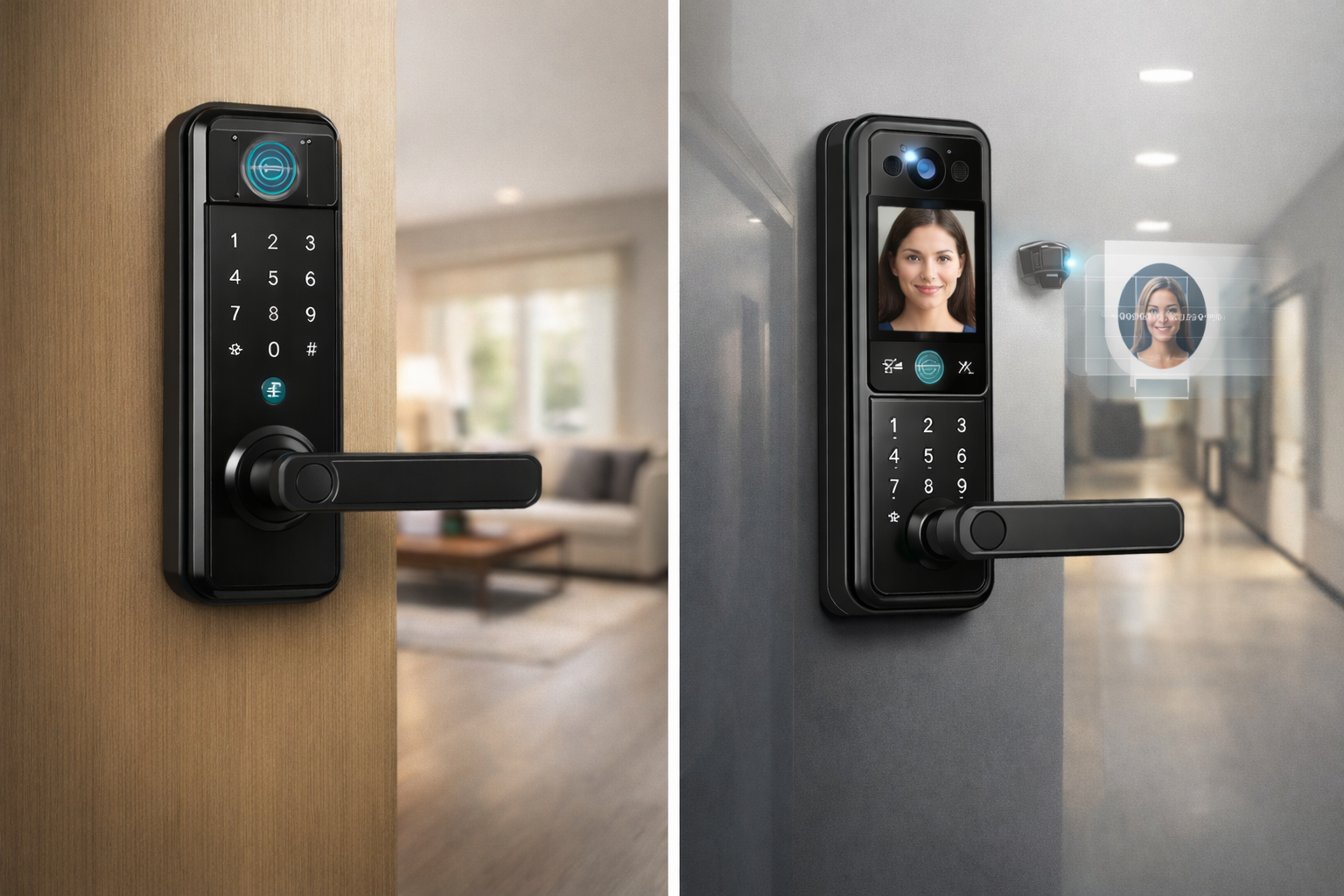
In many cases, hybrid locks that combine both biometric and digital features offer the best balance.
Practical Smart Lock Choices for Home Use
For homeowners looking for a practical smart lock for home use, it’s important to choose a solution that balances security, usability, and reliability.
If you prefer flexibility with multiple access options, a digital lock with fingerprint access VLockPanther-6536 can be a strong choice. It combines biometric entry with PIN and app control, making it suitable for families and everyday use.
On the other hand, if your priority is higher-end security with advanced biometric capabilities, an advanced biometric smart lock VLockLeopard-6629 offers enhanced protection along with modern features like real-time monitoring and multiple authentication methods.
Factors to Consider Before Buying
Before making a decision, evaluate these key factors:
1. Household Size and Usage:
More users usually require more flexible access options.
2. Security Needs:
Consider whether you need basic protection or advanced monitoring features.
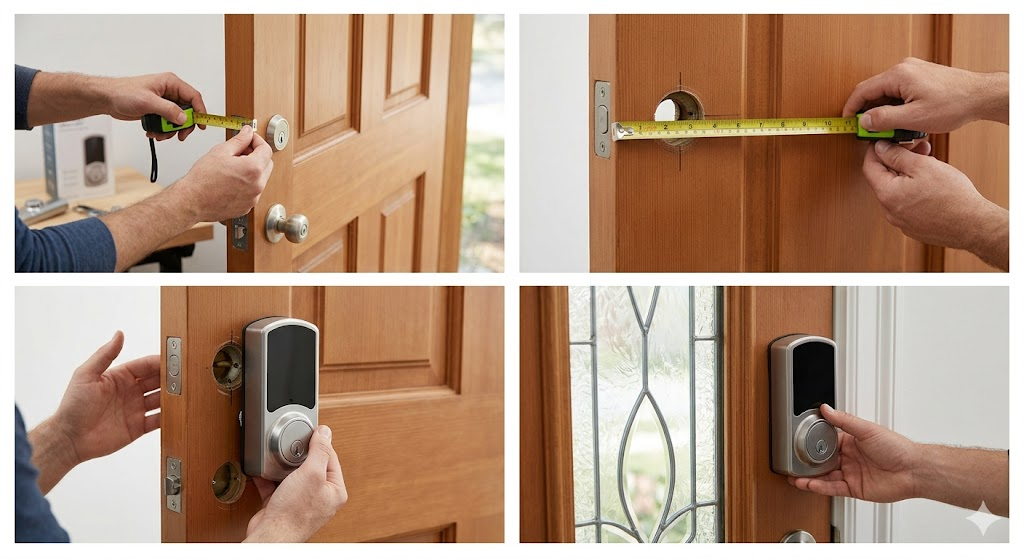
3. Door Compatibility:
Ensure the lock fits your door type, especially for wooden or metal doors.
4. Connectivity Requirements:
Decide if you need WiFi-based remote access or offline functionality.
5. Budget and Features:
Choose features that match your needs rather than paying for unnecessary extras.
Common Mistakes to Avoid
Many buyers make simple mistakes that affect long-term satisfaction:
- Choosing based only on price
- Ignoring compatibility with their door
- Overlooking battery backup
- Selecting features they rarely use
- Not checking after-sales support
Avoiding these mistakes helps you make a more
practical and cost-effective decision.
Are Hybrid Locks the Better Choice?
Modern Smart Door locks often combine biometric and digital features,
offering the best of both worlds.
Benefits of hybrid locks include:
- Multiple access options
- Backup unlocking methods
- Greater flexibility for different users
For most Indian homes, hybrid locks are becoming the preferred
choice because they balance convenience and security effectively.
Conclusion
Choosing between a biometric lock and a digital lock ultimately depends on your daily needs, lifestyle, and security priorities. While biometric locks offer fast and personalized access, digital locks provide greater flexibility and control for multiple users. For most homeowners, the ideal solution is one that combines both technologies, delivering convenience without compromising security. By focusing on real usage and essential features, you can select a smart lock that not only protects your home but also simplifies your everyday life.
Frequently Asked Questions (FAQs)
1. Are biometric locks safer than digital locks?
Biometric locks offer highly personalized security, but digital locks with multiple authentication methods can be equally secure when used properly.
2. Can digital locks include fingerprint access?
Yes, many modern digital locks combine fingerprint, PIN, and app-based access.
3. Which lock is better for families?
Digital or hybrid locks are usually better for families due to multiple user access options.
4. Do biometric locks work without electricity?
Yes, as long as they are compatible with local door types and weather conditions.
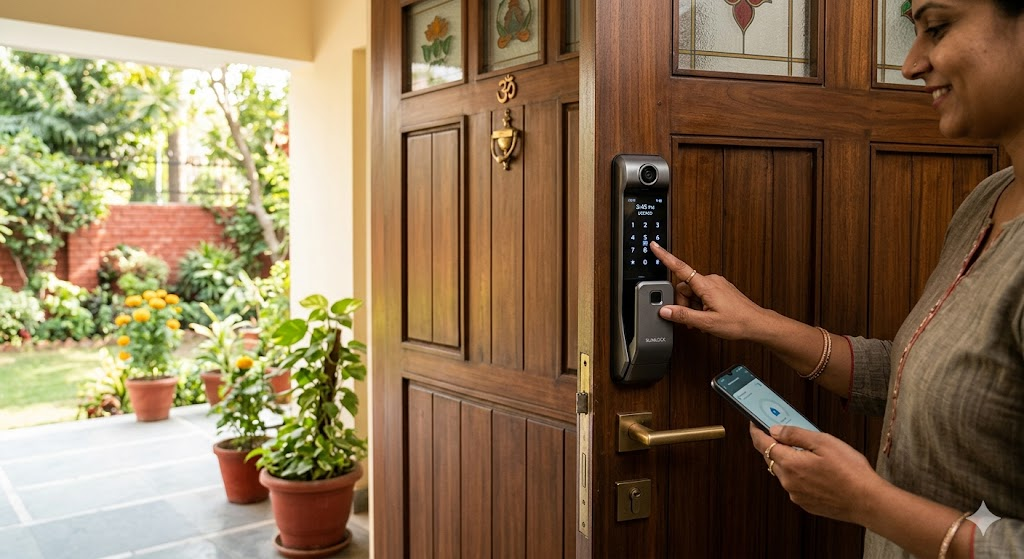
5. Are smart locks suitable for Indian homes?
Most smart locks are easy to install on standard doors, though professional installation may be recommended for some models.
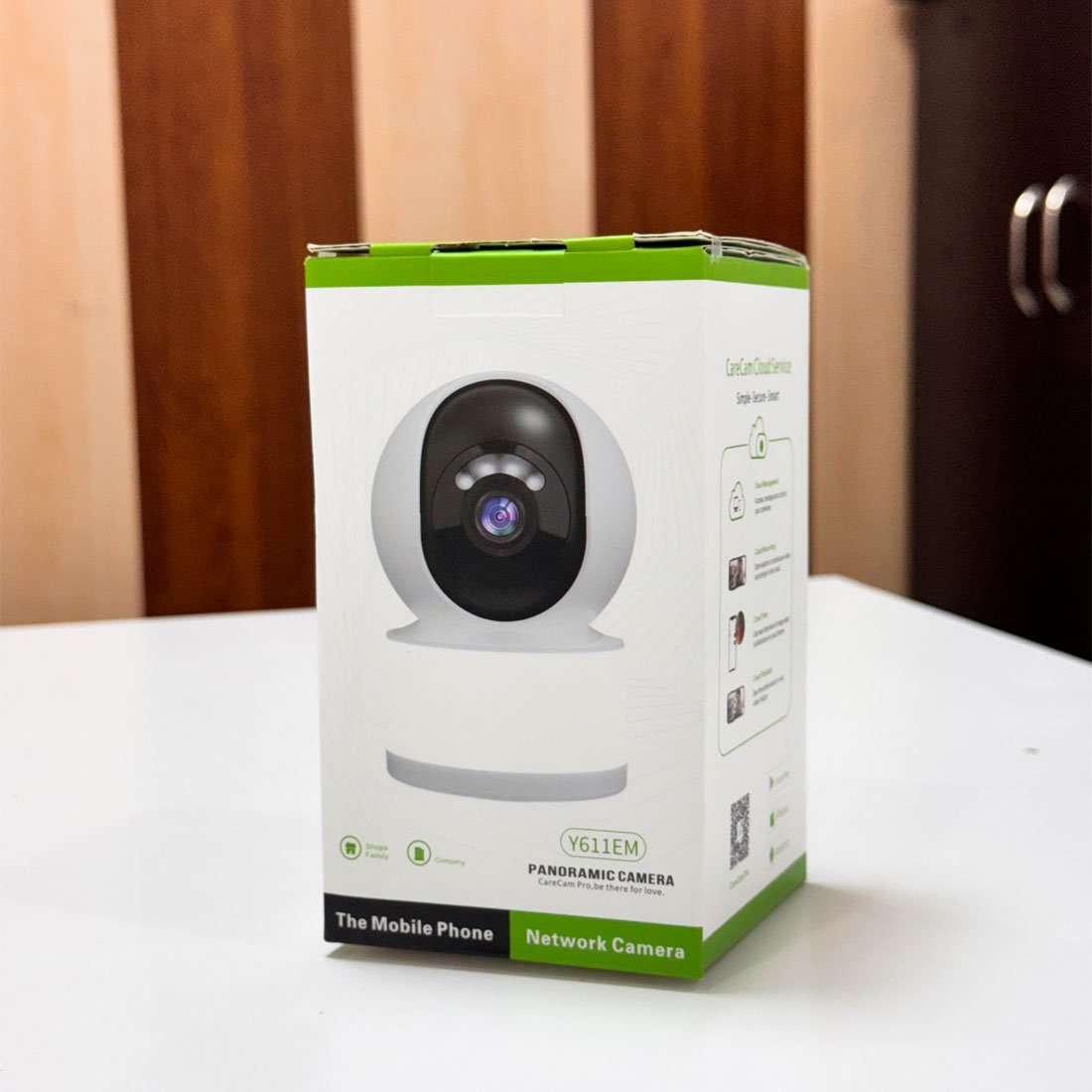 WiFi Camera
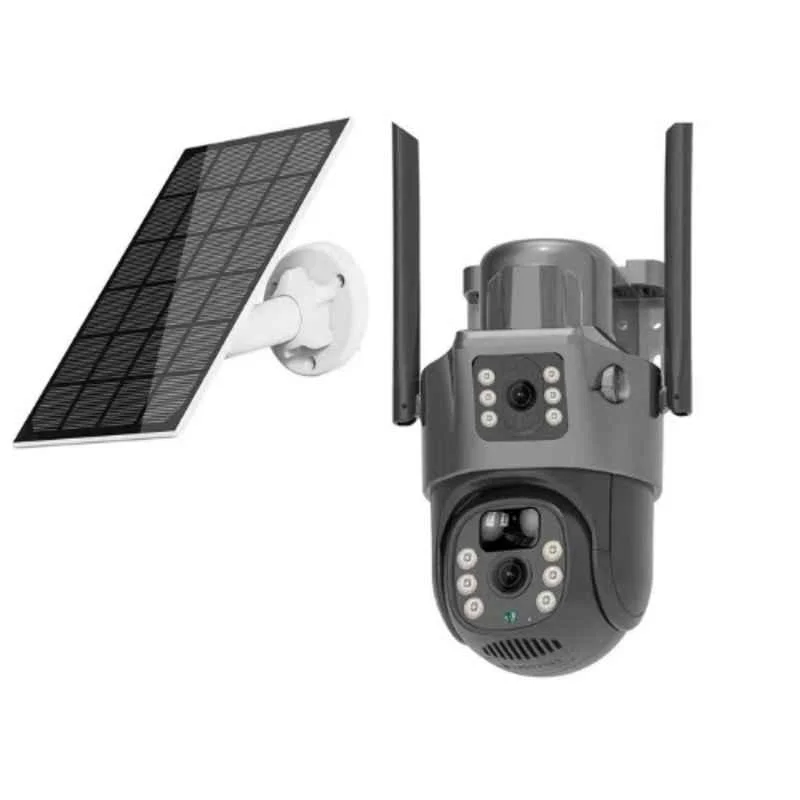 Solar Camera