We ship worldwide…


Smart Home Security Systems Explained: What You Need to Know


Smart Home Security Systems Explained: What You Need to Know
As homes become smarter and more connected, security has evolved beyond traditional locks and alarms. Today, smart home security systems offer advanced protection, real-time monitoring, and seamless control, all from your smartphone or connected device.
For homeowners in 2026, understanding how these systems work and how to choose the right setup is essential for ensuring safety, convenience, and peace of mind.
What Are Smart Home Security Systems?
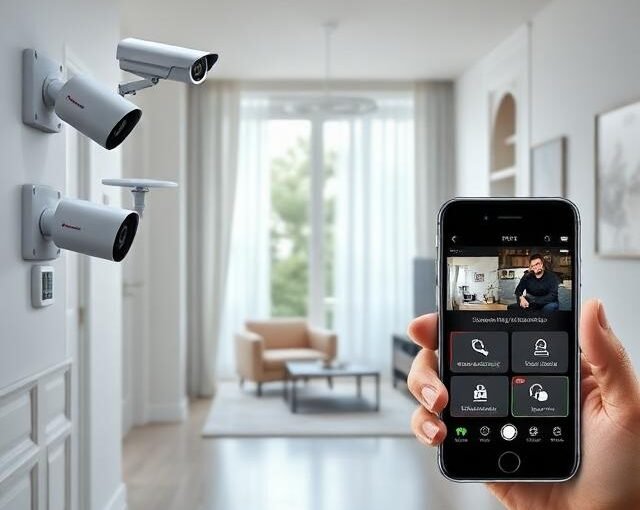
Smart home security systems are integrated digital solutions that use internet-connected devices to monitor, detect, and respond to security threats. Unlike conventional systems, they allow users to control and monitor their home remotely.
These systems typically combine hardware (like cameras and sensors) with software (mobile apps or cloud platforms) to create a unified security ecosystem.
In addition to providing real-time monitoring, many smart home security systems incorporate AI-driven analytics to identify unusual behavior, predict potential risks, and even automate responses like turning on lights or locking doors. This level of intelligence ensures that homeowners receive not just alerts, but actionable insights to keep their property and loved ones safe.
Key Components of a Smart Home Security System
-
1. Smart Cameras
Indoor and outdoor cameras provide real-time video surveillance, motion detection, and recording features. Many offer night vision and AI-powered alerts.
-
2. Smart Locks
Smart locks allow homeowners to lock and unlock doors remotely, grant temporary access, and track entry activity.
-
3. Motion Sensors
These sensors detect movement within or around the home and trigger alerts or alarms when unusual activity is detected.
-
4. Door and Window Sensors
They notify users when doors or windows are opened unexpectedly, adding an extra layer of protection.
-
5. Alarm Systems
Smart alarms can be triggered automatically or manually and often integrate with emergency services.
-
6. Control Hub or Mobile App
This acts as the central system, allowing users to monitor and control all connected devices from one interface.
How Smart Home Security Systems Work
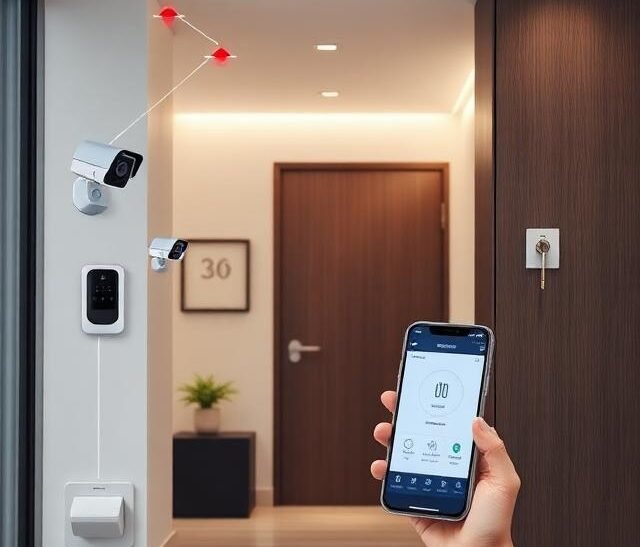
Smart security systems operate through connected networks and automation, allowing homeowners to monitor and manage their property seamlessly from anywhere.
- Devices collect data such as motion, video, and access activity.
- The system processes this data in real-time using intelligent algorithms.
- Alerts are sent instantly to the user via mobile apps or email notifications.
- Automated actions, like sounding alarms or locking doors, are triggered when necessary.
- Data is stored securely in the cloud or on local servers for future reference.
This real-time responsiveness makes smart systems far more effective than traditional setups. Additionally, many systems integrate predictive analytics to detect unusual patterns, helping to prevent incidents before they occur. Homeowners can also customize notifications, access logs, and automation rules, giving them full control over their home security ecosystem.
Benefits of Smart Home Security Systems
1. Remote Monitoring and Control
Homeowners can monitor their property from anywhere, providing peace of mind even when traveling.
2. Enhanced Security
Advanced features like AI-based detection and instant alerts help prevent intrusions and reduce risks.
3. Convenience and Automation
Automated routines, such as locking doors at night or activating cameras when you leave, simplify daily life.
4. Energy Efficiency
Some systems integrate with smart home devices to optimize lighting and energy use.
5. Customization
Users can tailor their security setup based on their home layout and specific needs.
Choosing the Right Smart Home Security System
1. Home Size and Layout
Larger homes may require more cameras, sensors, and coverage zones.
2. Level of Automation
Consider how much automation you want, from basic alerts to fully integrated smart home systems.
3. Data Security and Privacy
Ensure the system uses encryption and secure data storage to protect your information.
4. Integration Capabilities
Choose systems that work well with other smart devices like voice assistants and home automation tools.
5. Scalability
Opt for solutions that can expand as your needs grow.
A Practical Approach to Modern Home Security
As the demand for integrated and user-friendly security systems grows, many modern platforms are focusing on combining monitoring, automation, and intelligent analytics into a single ecosystem. For example, solutions like those offered by VSecure360 reflect this trend by bringing together surveillance, access control, and real-time alerts in a unified environment.
Such platforms highlight how the industry is moving toward simplified yet powerful security management, where users can oversee multiple aspects of home safety without dealing with complex systems.
Common Challenges to Consider
While smart home security systems offer numerous advantages, there are a few considerations:
- Initial Setup Costs: Advanced systems may require upfront investment
- Internet Dependency: Reliable connectivity is essential for optimal performance
- Privacy Concerns: Users must ensure proper data protection measures
- Technical Learning Curve: Some systems may require time to fully understand and configure
Being aware of these factors helps in making informed decisions.
Future Trends in Smart Home Security
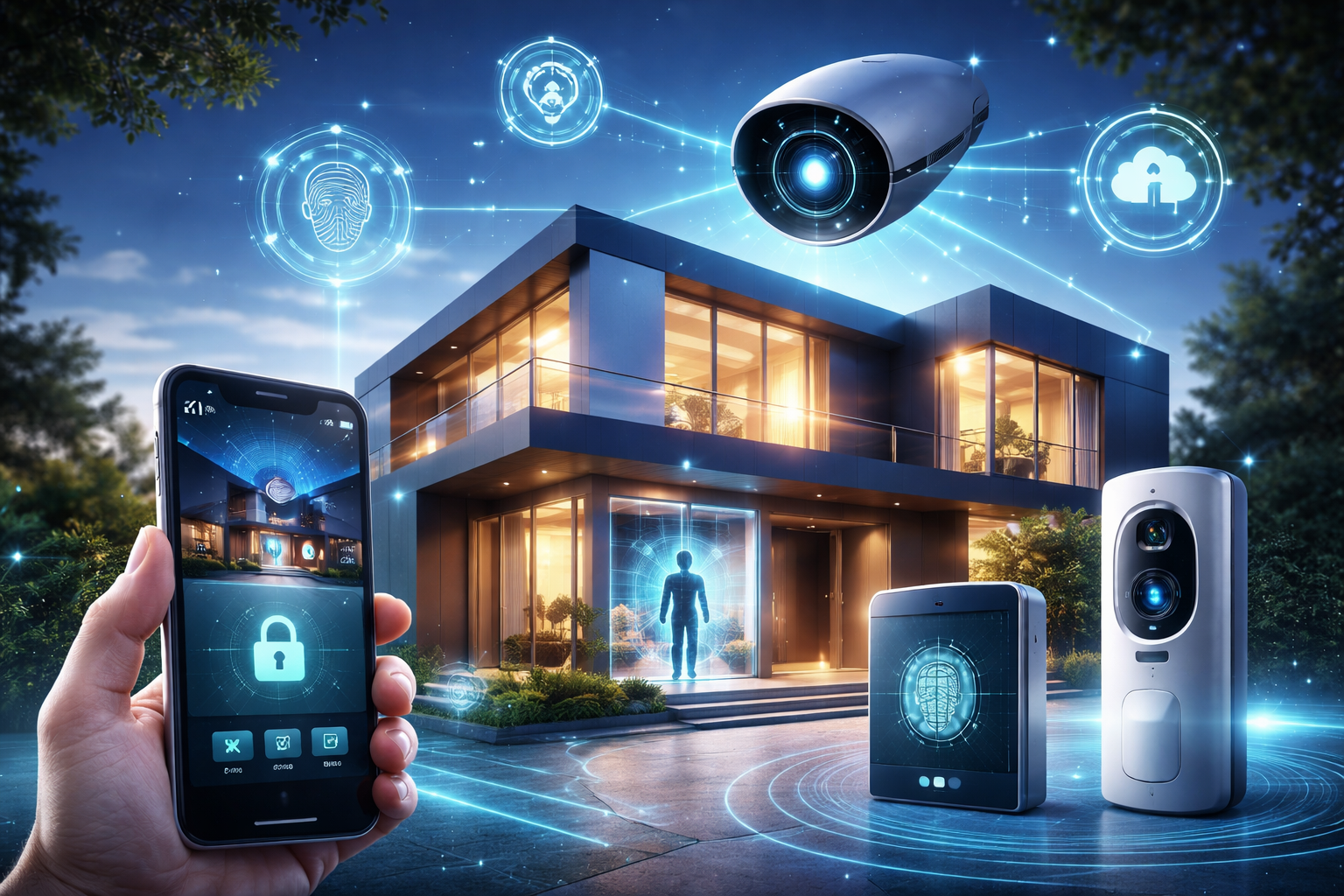
The future of home security is driven by innovation. Key trends include:
- AI-Powered Threat Detection
- Biometric Access Control
- Voice-Activated Security Systems
- Integration with IoT Ecosystems
- Predictive Security Analytics
These advancements will continue to make homes safer, smarter, and more efficient.
Conclusion
Smart home security systems have transformed the way homeowners protect their properties. By combining advanced technology with real-time monitoring and automation, these systems offer a level of security and convenience that traditional methods simply cannot match. Understanding the components, benefits, and best practices of smart security systems allows homeowners to make informed decisions and create a safer living environment. As technology continues to evolve, investing in the right security solution will be key to staying protected in an increasingly connected world.
Frequently Asked Questions (FAQs)
1. Which is better: WiFi or Bluetooth smart locks?
Both options have their advantages. WiFi smart locks are better for remote access and advanced features, while Bluetooth smart locks are ideal for simple, local use with better battery efficiency. The right choice depends on your specific needs and usage.
2. Do WiFi smart locks work without the internet?
WiFi smart locks require an internet connection for remote access and real-time notifications. However, some models may still allow manual unlocking or limited functionality when offline.
3. Are Bluetooth smart locks secure?
Yes, Bluetooth smart locks are generally secure, as they operate over short-range connections and do not rely on the internet, reducing exposure to online threats. However, keeping your smartphone secure is important.
4. Can I control a Bluetooth smart lock remotely?
By default, Bluetooth locks work only within a limited range. However, some models can be paired with a WiFi hub or bridge to enable remote access.
5. Which smart lock is best for Airbnb or rental properties?
WiFi smart locks are more suitable for Airbnb and rental properties because they allow remote access, guest management, and real-time monitoring.
6. Do smart locks require frequent battery changes?
Battery life depends on the type of lock. Bluetooth locks usually last longer, while WiFi locks may require more frequent battery replacement due to higher power consumption.
7. Are smart locks better than traditional locks?
Yes, smart locks offer better convenience, enhanced security features, and access control compared to traditional locks. For a deeper comparison, you can explore Fingerprint vs Key Locks: Complete Comparison Guide.
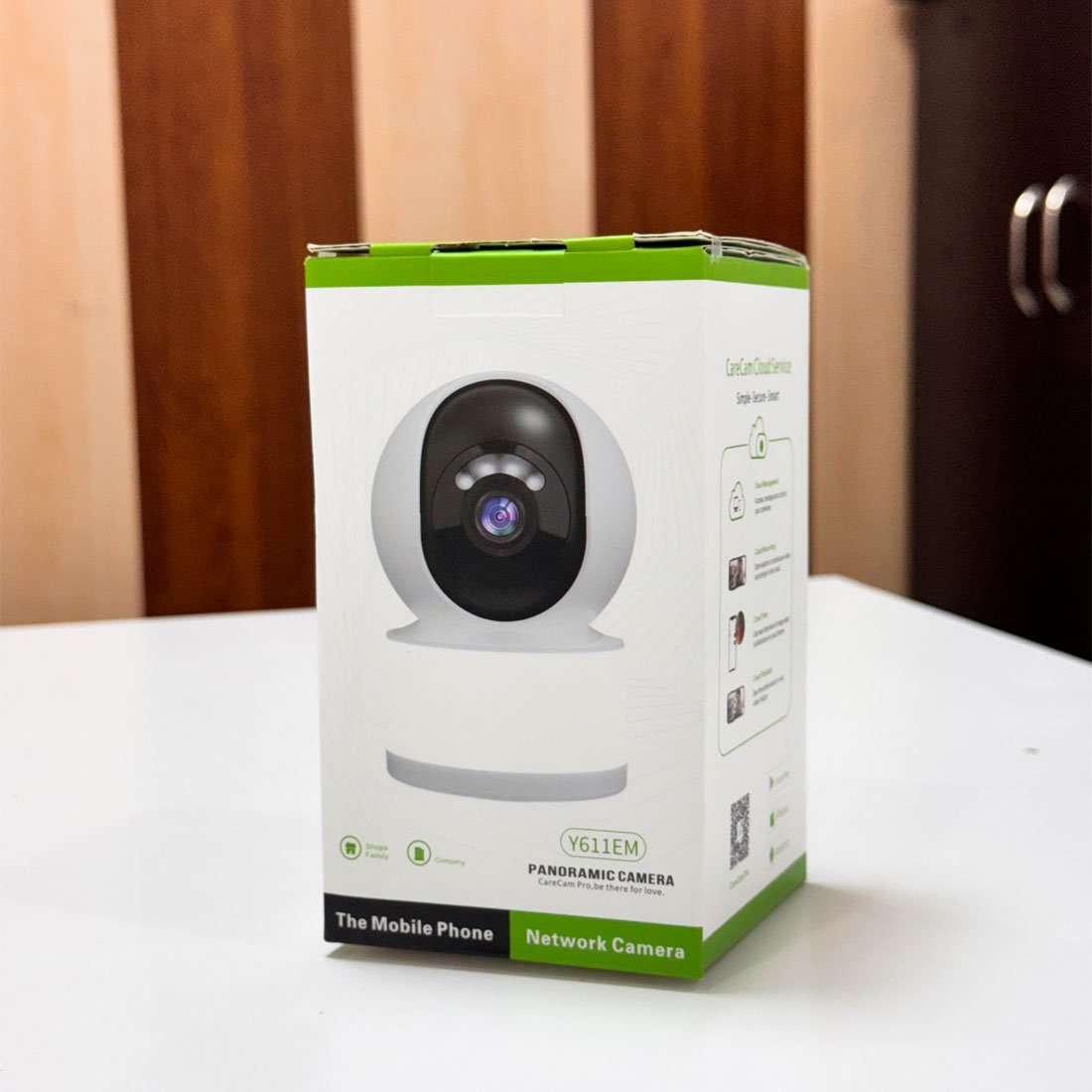 WiFi Camera
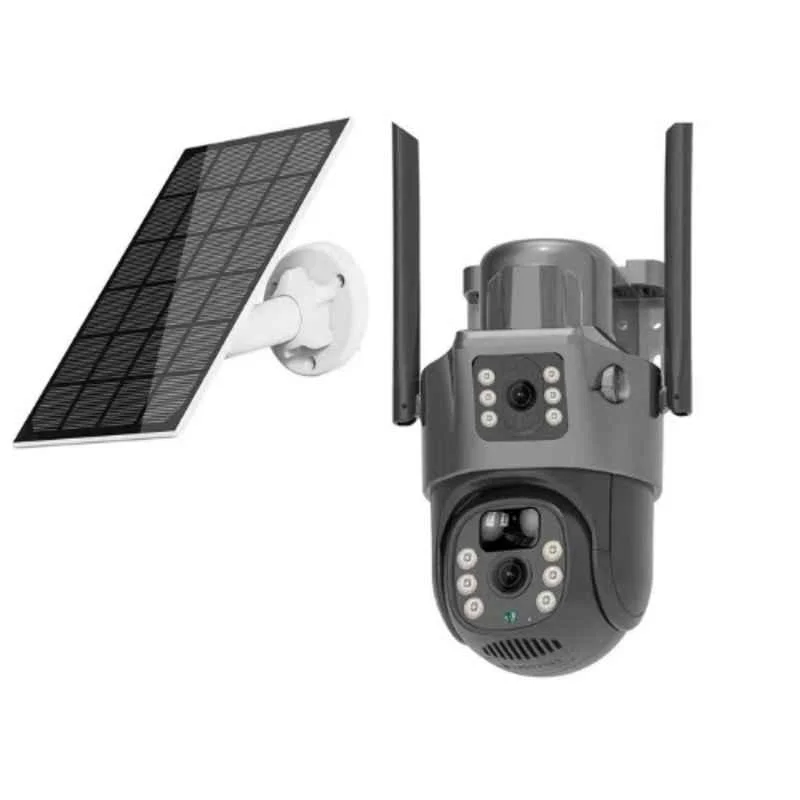 Solar Camera