We ship worldwide…


A Complete Guide to Door Lock Types and Choosing the Right Lock

A Complete Guide to Door Lock Types and Choosing the Right Lock
Safety is one of the most important human needs, and securing your home or workplace starts at the door. Door locks play a crucial role in protecting your property, belongings, and loved ones. In today’s world, where security threats are constantly evolving, having a reliable and high-quality locking system is no longer optional—it is essential.
Door locks act as the first line of defense against unauthorized access. Whether it’s a home, apartment, office, or commercial space, choosing the right lock ensures safety, privacy, and peace of mind.
With advancements in technology and design, modern door locks now come in a wide range of options—from traditional mechanical locks to advanced digital and smart locking systems. Selecting the right one depends on your security needs, door type, and usage.
Types of Door Locks
Understanding different types of door locks helps you make the right security decision. Each type is designed for specific use cases and levels of protection.
1. Main Door Locks
The main entrance is the most important access point of any property and requires the highest level of security.
Common options include:
- Multi-bolt locking systems (tri-bolt and six-bolt locks)
- Deadbolt locks
- Interlocking systems for double doors
These locks are designed to resist forced entry and provide long-term durability, making them ideal for primary entrances.
2. Cylindrical Locks (Without Key / Privacy Locks)
Cylindrical locks are commonly used for internal doors where privacy is required.
Key features:
- Push-button locking mechanism
- Key access from outside (optional)
- Sleek and modern design
- Corrosion-resistant materials
These locks are suitable for bedrooms, bathrooms, and connecting doors.
3. Mortise Door Locks
Mortise locks are known for their strength and durability. Installed within the door, they offer a higher level of security compared to standard locks.
Advantages:
- Strong locking mechanism
- Smooth operation
- High resistance to tampering
- Long lifespan
They are ideal for both residential and commercial doors that require strong security.
4. Padlocks
Padlocks are portable and versatile, making them suitable for both temporary and external security.
Common uses:
- Shutters and storefronts
- Warehouses and garages
- Gates and grills
Heavy-duty padlocks provide strong protection and are widely used in commercial applications.
5. Round Knob Locks
Round knob locks are widely used in homes for interior doors.
Benefits:
- Easy to install
- Cost-effective
- Simple to operate
However, they are not recommended as the primary lock for main doors due to lower security levels.
6. Deadbolt Locks (Compact / Tiny Locks)
These locks are compact and suitable for lightweight doors.
Features:
- Simple locking mechanism
- Combination or manual operation
- Easy installation
They are best suited for low-security areas like storage rooms.
7. Rim Door Locks (Night Latch Locks)
Rim locks are surface-mounted and easy to install.
Key benefits:
- Traditional design
- Reliable locking system
- Suitable for wooden doors
- Durable and long-lasting
They are commonly used in both residential and commercial properties.
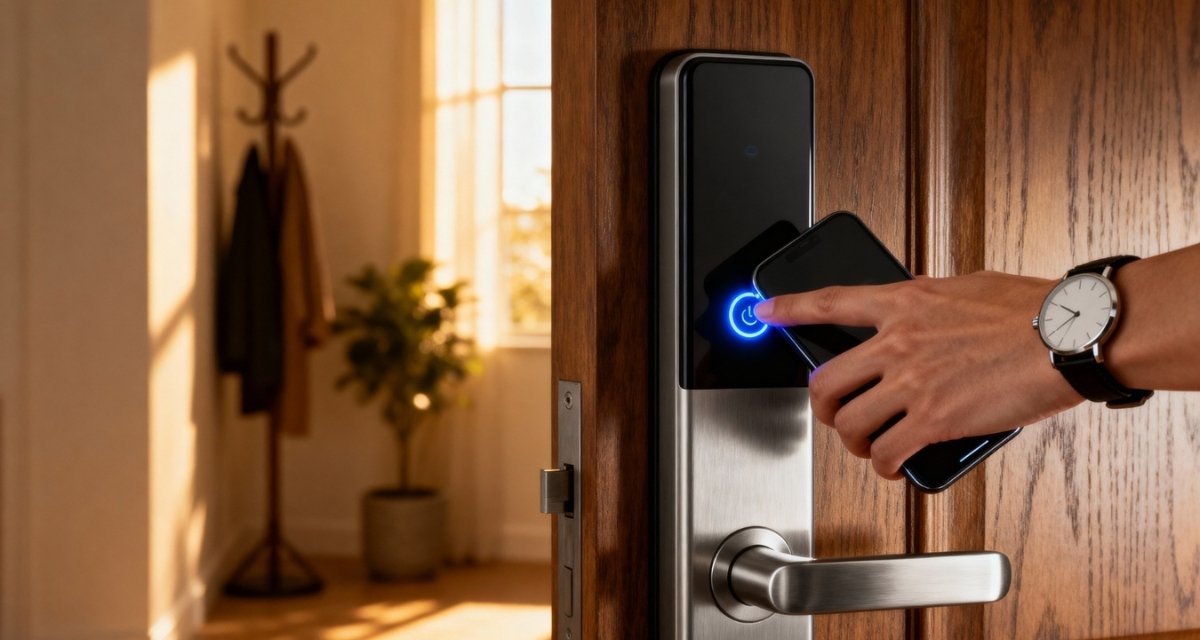
8. Digital Door Locks
Digital locks are modern, advanced, and highly secure.
Features include:
- Fingerprint access
- PIN/password entry
- Mobile app control
- RFID or smart card access
- Remote monitoring
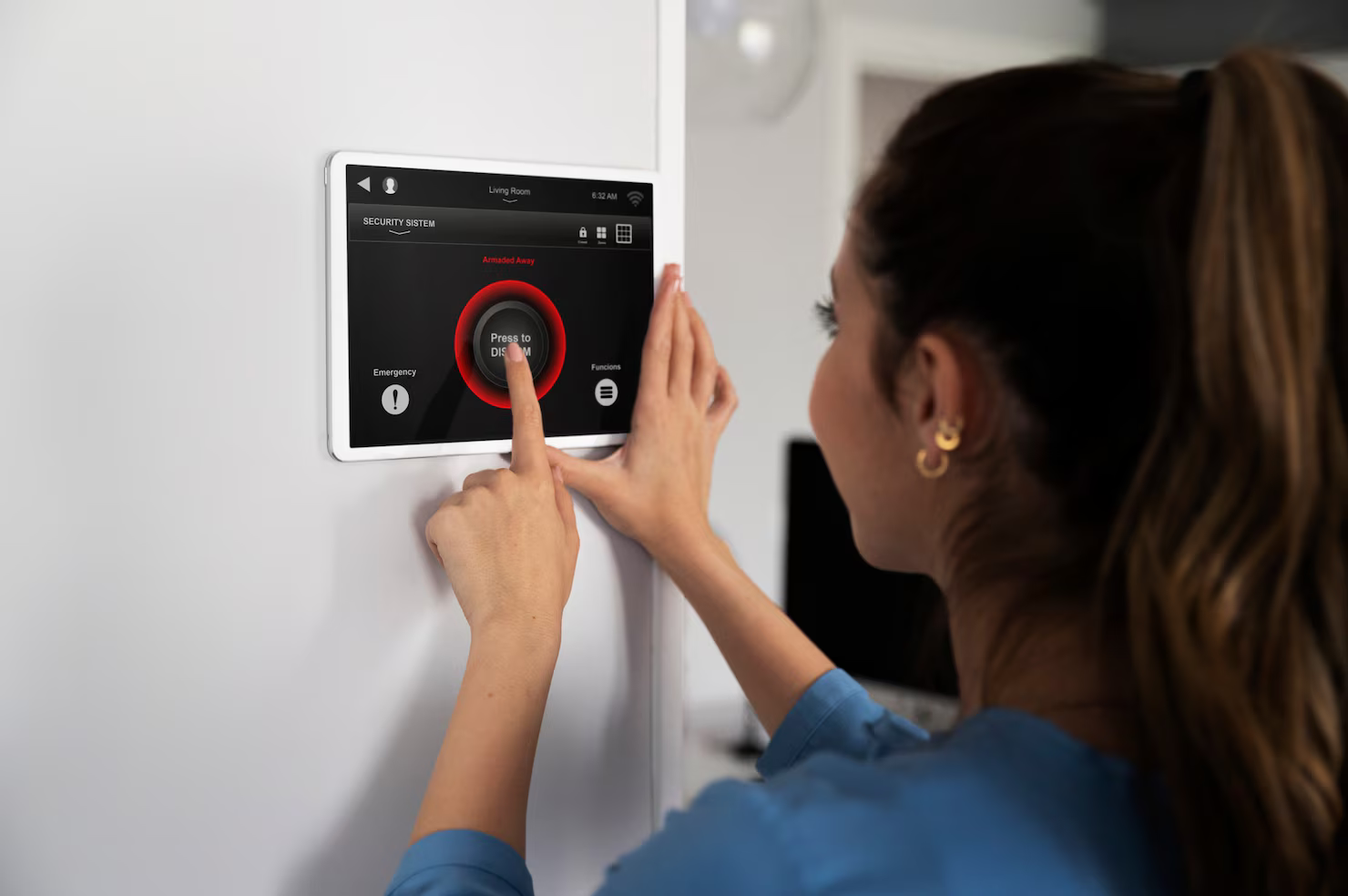
These locks offer convenience, smart access control, and enhanced security, making them ideal for modern homes and offices.
How to Choose the Right Door Lock
Selecting the right door lock depends on several factors:
- Type of door (internal or external)
- Required security level
- Frequency of usage
- Door material and thickness
- Design and aesthetic preferences
For maximum security, it is often recommended to combine multiple locking systems, especially for main entrances.
Conclusion
Choosing the right door lock is essential for ensuring safety and peace of mind. From traditional locks to modern digital solutions, each type offers unique benefits depending on your needs. For advanced security and smart locking solutions, explore modern options available at VSecure360. Investing in the right locking system not only protects your property but also enhances convenience and long-term security.
Frequently Asked Questions (FAQs)
1. What is a smart lock and how does it work?
A smart lock is an electronic door lock that allows users to unlock and secure their doors using digital authentication methods instead of traditional keys. These methods may include fingerprint recognition, PIN codes, RFID cards, or mobile app control. Smart locks use encrypted technology to ensure secure access while offering convenience and improved home security.
2. Are smart locks safe for Indian homes?
Yes, modern smart locks are designed with strong security features that make them safe for Indian homes. High-quality models include durable metal construction, anti-tamper alerts, and encrypted digital communication. Choosing a product from a reliable smart lock manufacturer in India ensures the lock meets safety standards and performs well under local conditions.
3. Can smart locks be installed on existing doors?
Most smart locks are designed to fit standard door types, including wooden, metal, and laminated doors commonly found in Indian homes. Many models include adjustable mounting systems that allow installation without major structural modifications. However, it is always recommended to verify door compatibility before purchasing.
4. What happens if the smart lock battery runs out?
Most smart locks provide low-battery notifications well before the battery is completely drained. In case the battery runs out, many models offer emergency power options through a USB port, allowing temporary access using a power bank. This feature helps prevent unexpected lockouts.
5. Do smart locks require an internet connection?
Not all smart locks require constant internet access. Basic features like fingerprint or PIN unlocking can function offline. However, internet connectivity enables advanced features such as remote access, mobile app control, activity logs, and real-time alerts.
6. Can multiple family members use the same smart lock?
Yes, smart locks are designed to support multiple users. Homeowners can create separate access credentials for family members, guests, or household staff. Some locks also allow temporary or scheduled access permissions, making them convenient for visitors or service providers.
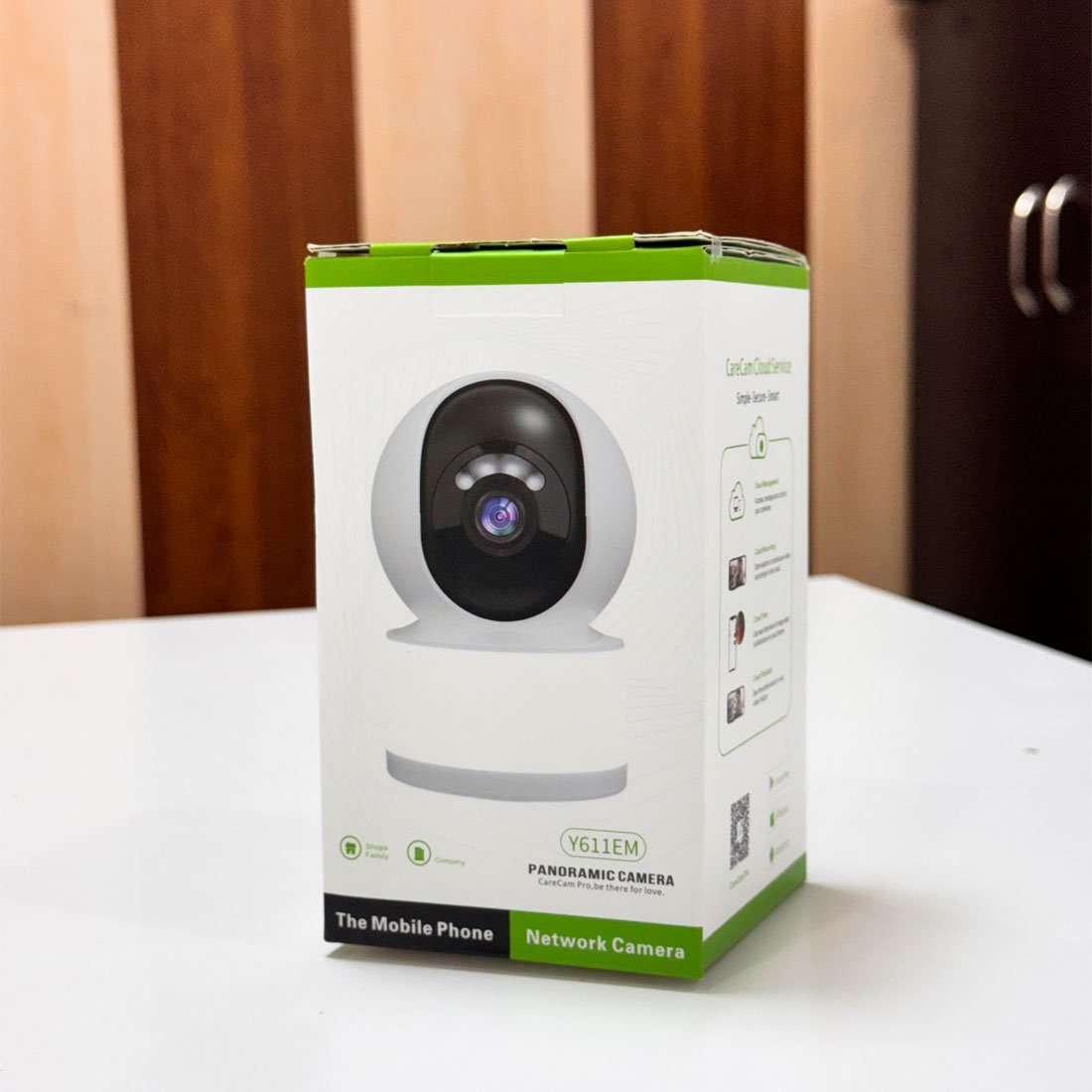 WiFi Camera
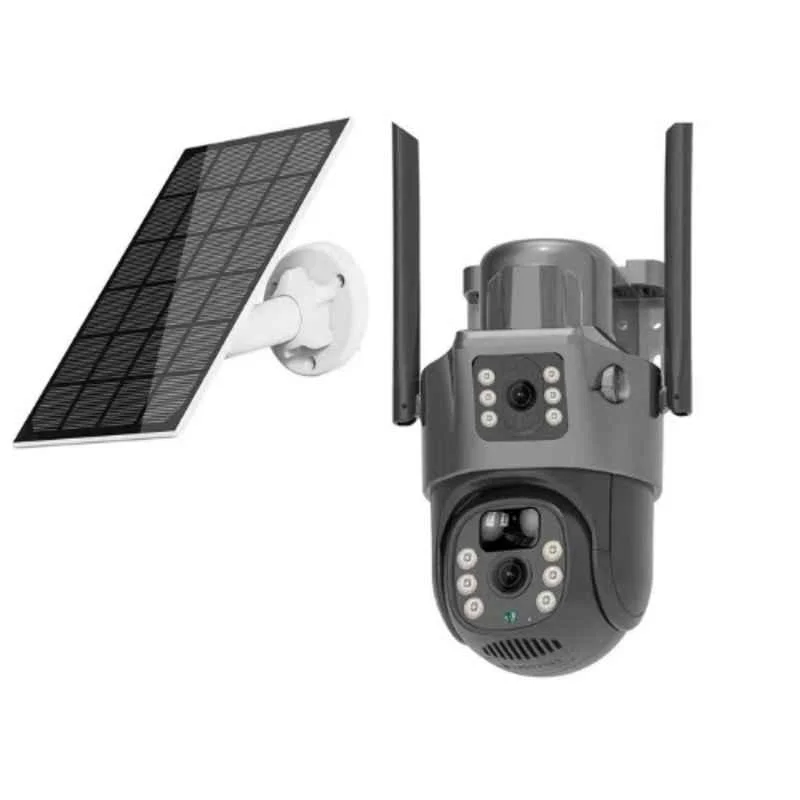 Solar Camera