We ship worldwide…


Smart WiFi Security Cameras in 2026: Features, Installation Guide, Benefits, and Buying Advice


Smart WiFi Security Cameras in 2026: Features, Installation Guide, Benefits, and Buying Advice
Home security technology has evolved rapidly in recent years, and smart WiFi security cameras have become an essential part of modern home protection systems. In 2026, these cameras are smarter, more efficient, and easier to install than ever before. With advanced features such as AI-powered motion detection, real-time alerts, cloud storage, and mobile app integration, homeowners can monitor their properties from anywhere.
As smart homes become increasingly common, people are turning to connected security devices that provide both safety and convenience. WiFi-enabled cameras allow homeowners to keep an eye on their homes remotely, monitor visitors, and receive instant notifications when suspicious activity occurs. This article explores the key features, benefits, installation process, and buying tips for choosing the right smart security camera for your home.
Understanding Smart WiFi Security Cameras
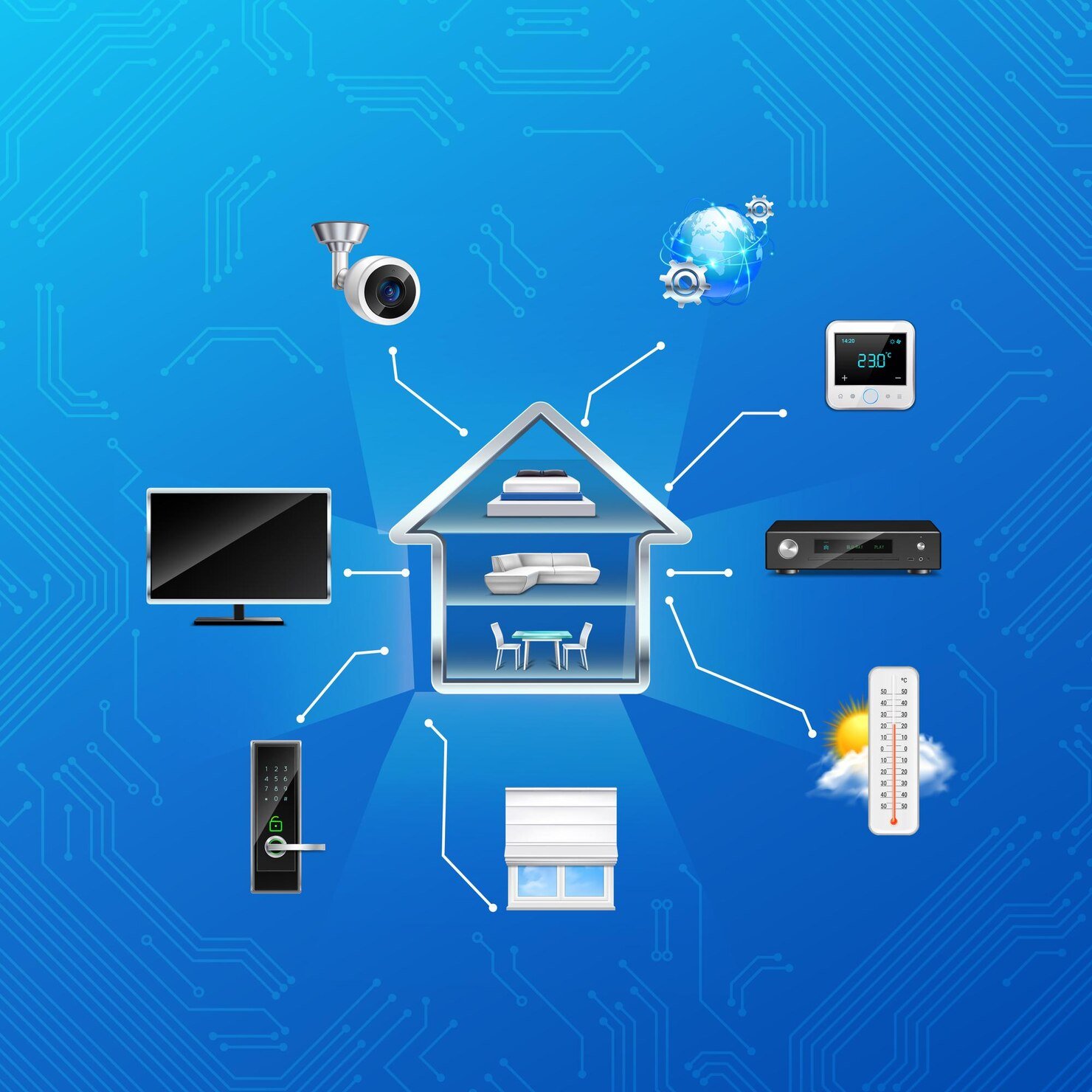
Smart WiFi security cameras are connected surveillance devices that transmit video and alerts through a wireless internet connection. Unlike traditional CCTV systems that require complex wiring and dedicated monitoring equipment, these cameras can be controlled through smartphones, tablets, or computers.
Most modern cameras come with companion mobile applications that allow users to view live footage, review recorded videos, receive motion alerts, and adjust camera settings remotely. These capabilities make them highly convenient for homeowners who want real-time visibility and control over their home security.
Another advantage of WiFi cameras is their compatibility with smart home ecosystems. Many models integrate with voice assistants and home automation systems, enabling users to monitor their homes more efficiently.
In addition, modern WiFi cameras often include features like night vision, two-way audio, and weather-resistant designs, making them suitable for both indoor and outdoor use. These enhancements ensure comprehensive coverage and improve overall home security, even in challenging conditions.
Key Features of Smart WiFi Security Cameras in 2026
Technology improvements have significantly enhanced the capabilities of modern security cameras. Here are some of the most important features available in 2026.
High-Resolution Video Recording
Video clarity plays a crucial role in identifying people and events. Many smart cameras now support high-definition resolutions such as 1080p, 2K, and even 4K. Higher resolution provides sharper images and makes it easier to recognize faces, license plates, and small details. If you want to understand the differences between these resolutions, the Security camera resolution guide (1080p vs. 2K vs. 4K) can help you choose the best option based on your needs.
AI-Powered Motion Detection
Modern smart cameras use artificial intelligence to detect motion more accurately. Instead of triggering alerts for every movement, advanced AI systems can distinguish between people, animals, vehicles, and environmental changes. This technology helps reduce false alerts and ensures that homeowners receive notifications only when meaningful activity occurs.
Night Vision and Low-Light Monitoring
Most security incidents happen during nighttime hours, making night vision an essential feature. Modern cameras include infrared or color night vision capabilities that allow them to capture clear footage even in low-light conditions. This ensures continuous monitoring around the clock.
Two-Way Audio Communication
Many WiFi security cameras now include built-in microphones and speakers that allow two-way communication. Homeowners can talk to visitors, delivery personnel, or family members directly through their smartphone apps. This feature adds both convenience and an extra layer of security.
Remote Access and Mobile Alerts
Smart cameras provide instant notifications when motion is detected. Users can open the mobile application to view live footage and determine whether the alert requires attention. This remote access capability makes it easier to monitor homes even while traveling or working away from home.
Benefits of Installing WiFi Cameras for Home Security
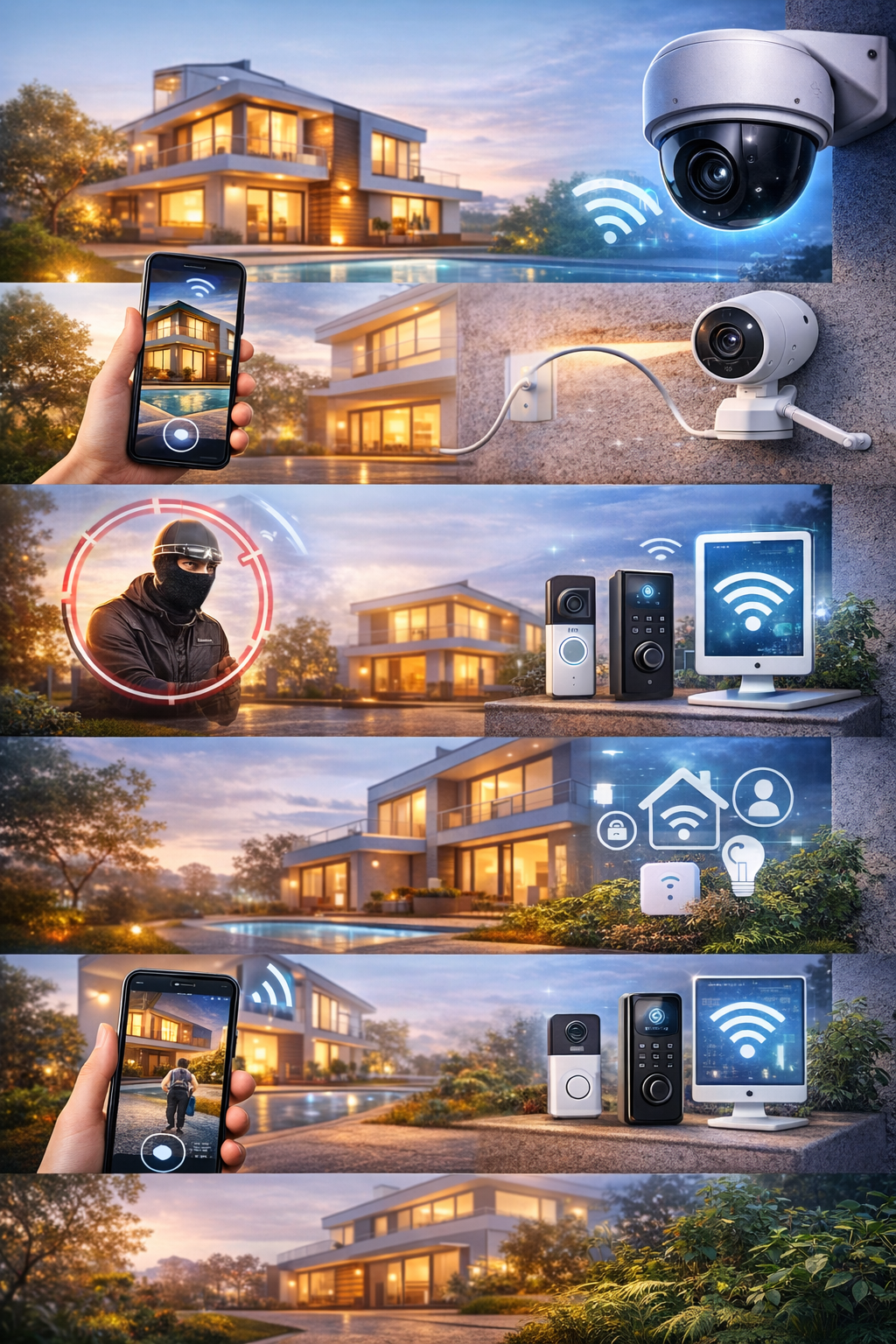
Installing WiFi cameras provides several advantages for homeowners looking to enhance safety and peace of mind.
Improved Home Monitoring
One of the biggest benefits is the ability to monitor your home from anywhere. Whether you are at work, traveling, or simply in another room, you can access live camera feeds instantly.
Easy Installation
Unlike traditional CCTV systems that require professional wiring and installation, most smart cameras are designed for quick setup. Many models simply require a power source and WiFi connection to start working.
Crime Prevention
Visible cameras often discourage intruders and suspicious individuals from approaching a property. The presence of security cameras alone can act as a powerful deterrent against theft and vandalism.
Smart Home Integration
Smart security cameras can connect with other devices such as doorbells, smart locks, and home automation systems. This allows homeowners to build a complete security ecosystem that works together. For example, pan & tilt cameras for smart surveillance can automatically track movement and cover wider areas compared to fixed cameras.
Real-Time Activity Tracking
Modern security cameras provide activity logs and video recordings that allow homeowners to review events at any time. This feature is particularly useful for monitoring deliveries, visitors, or unusual activity.
Installation Guide for Smart WiFi Security Cameras
Installing smart security cameras is generally straightforward, but proper placement and setup are essential for effective monitoring.
Choose Strategic Locations
Place cameras at key entry points such as front doors, back doors, garages, and driveways. Indoor cameras can monitor living rooms, hallways, or near main entrances.
Ensure Strong WiFi Connectivity
Smart cameras rely on internet connectivity. Cameras far from the router may need a WiFi extender for reliable performance.
Adjust Camera Angles
Position cameras to capture the desired area clearly without obstruction. Avoid placing cameras facing strong light sources that can affect image quality.
Configure Mobile App Settings
Connect the camera to its mobile app and customize settings such as motion detection sensitivity, alert notifications, and recording preferences.
Test the System
Test the camera by triggering motion alerts and checking video playback to ensure everything works correctly.
For guidance on optimal placement, refer to an indoor vs. outdoor home cameras guide to achieve maximum coverage.

Buying Advice: How to Choose the Right Smart Security Camera
With many options available in the market, choosing the right camera requires careful consideration.
Video Quality
Higher resolution cameras provide clearer images, which can be crucial for identifying people and objects.
Storage Options
Some cameras offer cloud storage subscriptions, while others provide local storage through memory cards. Consider which option suits your needs and budget.
Field of View
A wider viewing angle allows the camera to cover larger areas. Pan-and-tilt cameras offer even greater flexibility by allowing users to adjust the camera direction remotely.
Smart Features
Look for features such as AI motion detection, two-way audio, night vision, and smart home integration.
Indoor vs Outdoor Durability
Outdoor cameras should be weather-resistant and capable of handling rain, heat, or dust. If you are exploring available options, you may also find it helpful to review the Best WiFi cameras for home security in India to compare popular models and features.
The Future of Smart Home Surveillance
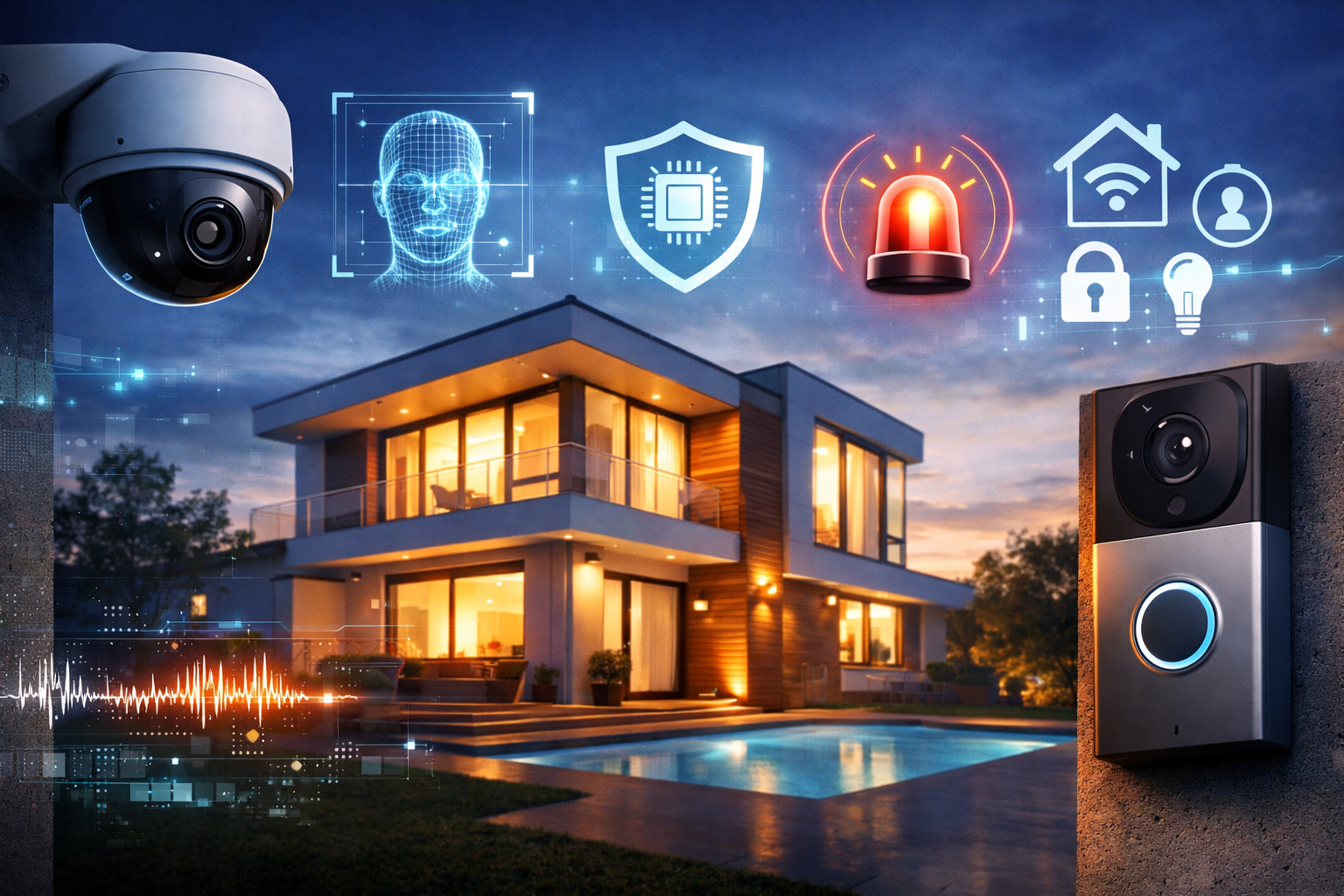
The future of home security cameras is being shaped by advances in artificial intelligence, cloud computing, and smart home integration. In the coming years, cameras will become even more intelligent and proactive.
Some emerging innovations include:
- AI-powered threat detection
- Automated emergency alerts
- Deeper integration with smart home systems
- Improved data privacy protections
These advancements will make home security smarter, more reliable, and give homeowners greater control over their property.
Frequently Asked Questions (FAQs)
1. What are Smart WiFi Security Cameras?
Smart WiFi security cameras are internet-connected surveillance devices that allow homeowners to monitor their property remotely. These cameras connect to a home’s WiFi network and enable users to view live footage, receive motion alerts, and access recorded videos through a smartphone app, tablet, or computer.
2. Are WiFi security cameras better than traditional CCTV systems?
Yes, in many cases they are. Traditional CCTV systems require extensive wiring and on-site monitoring equipment, while smart WiFi cameras are easier to install and can be accessed remotely through mobile applications. They also offer advanced features such as AI motion detection, real-time notifications, and cloud storage.
3. Can I install a smart WiFi security camera by myself?
Most modern WiFi cameras are designed for simple installation and can be set up without professional assistance. Typically, you only need a power source, a stable WiFi connection, and the camera’s mobile application to complete the setup process.
4. Do WiFi security cameras work without internet?
WiFi cameras require an internet connection for remote monitoring, cloud storage, and real-time alerts. However, some models can still record footage locally on a memory card even if the internet connection is temporarily unavailable.
5. Where should I install security cameras in my home?
For effective monitoring, cameras should be placed at important entry points such as the front door, back door, garage, and driveway. Indoor cameras can be installed in hallways, living areas, or near main entrances to monitor activity inside the home.
6. What video resolution is best for home security cameras?
Most homeowners choose cameras with 1080p resolution because they provide clear video while using less storage. However, 2K and 4K cameras offer higher detail and may be better for identifying faces, license plates, or objects at a distance.
Conclusion
Home security has become smarter and more accessible thanks to the rapid advancement of Smart WiFi Security Cameras. These devices provide homeowners with real-time monitoring, intelligent motion detection, and convenient remote access through mobile applications. Installing WiFi cameras for home security not only improves safety but also provides peace of mind by allowing homeowners to monitor their property from anywhere. With features such as high-resolution video, night vision, AI-powered alerts, and smart home integration, modern security cameras are becoming an essential component of connected homes. By carefully selecting the right camera, placing it strategically, and taking advantage of modern features, homeowners can build a reliable surveillance system that protects their property and family for years to come.
 WiFi Camera
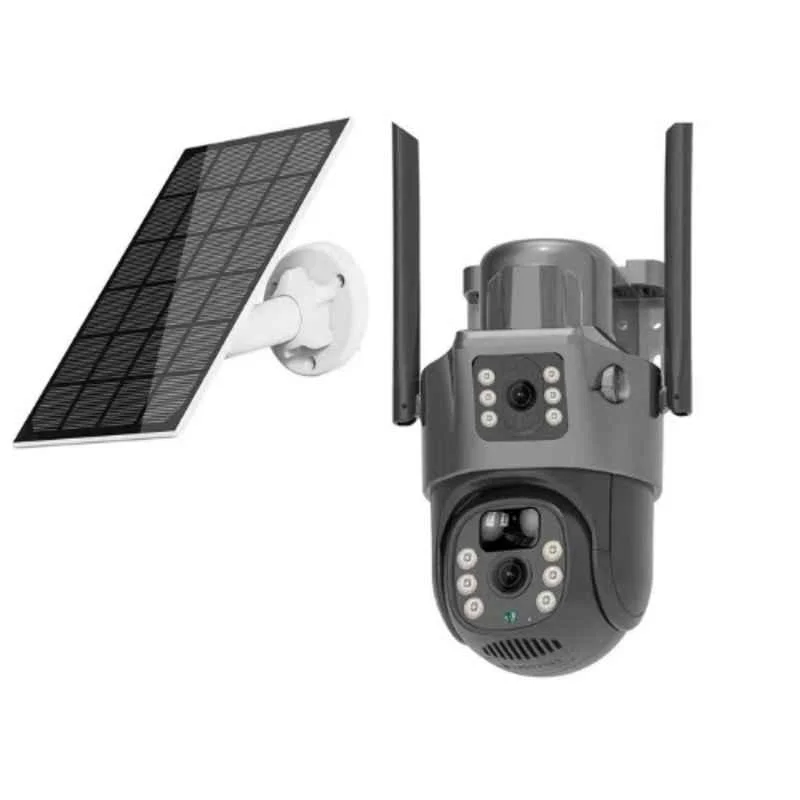 Solar Camera