We ship worldwide…


Why Biometric Security Should Be Part of Your Access Control Strategy

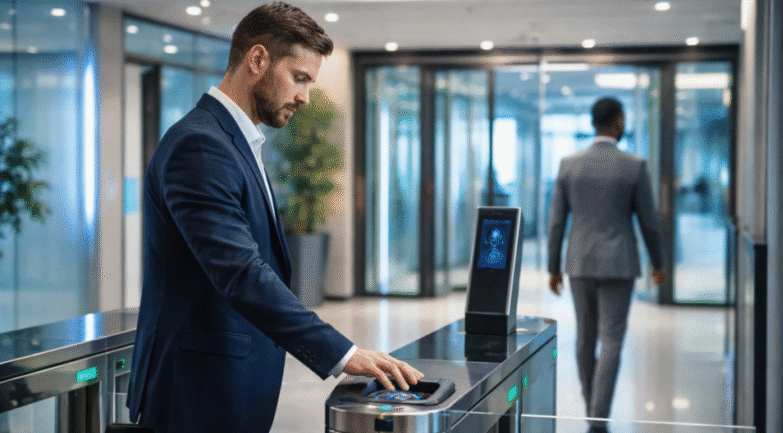
Why Biometric Security Should Be Part of Your Access Control Strategy
In an era where security threats are becoming more sophisticated and workplaces are increasingly digitized, organizations can no longer rely on outdated security measures alone. Traditional access methods such as keys, swipe cards, and passwords are vulnerable to loss, theft, duplication, and misuse. As businesses grow and work environments become more dynamic, the need for a stronger, smarter, and more reliable access control strategy becomes critical.
Biometric security has emerged as a powerful solution that addresses many of the weaknesses of conventional systems. By using unique physical or behavioral characteristics to verify identity, biometric technologies provide a higher level of assurance, accountability, and operational efficiency. This blog explores why biometric security should be a fundamental part of your access control strategy and how it contributes to a safer, more resilient organization.
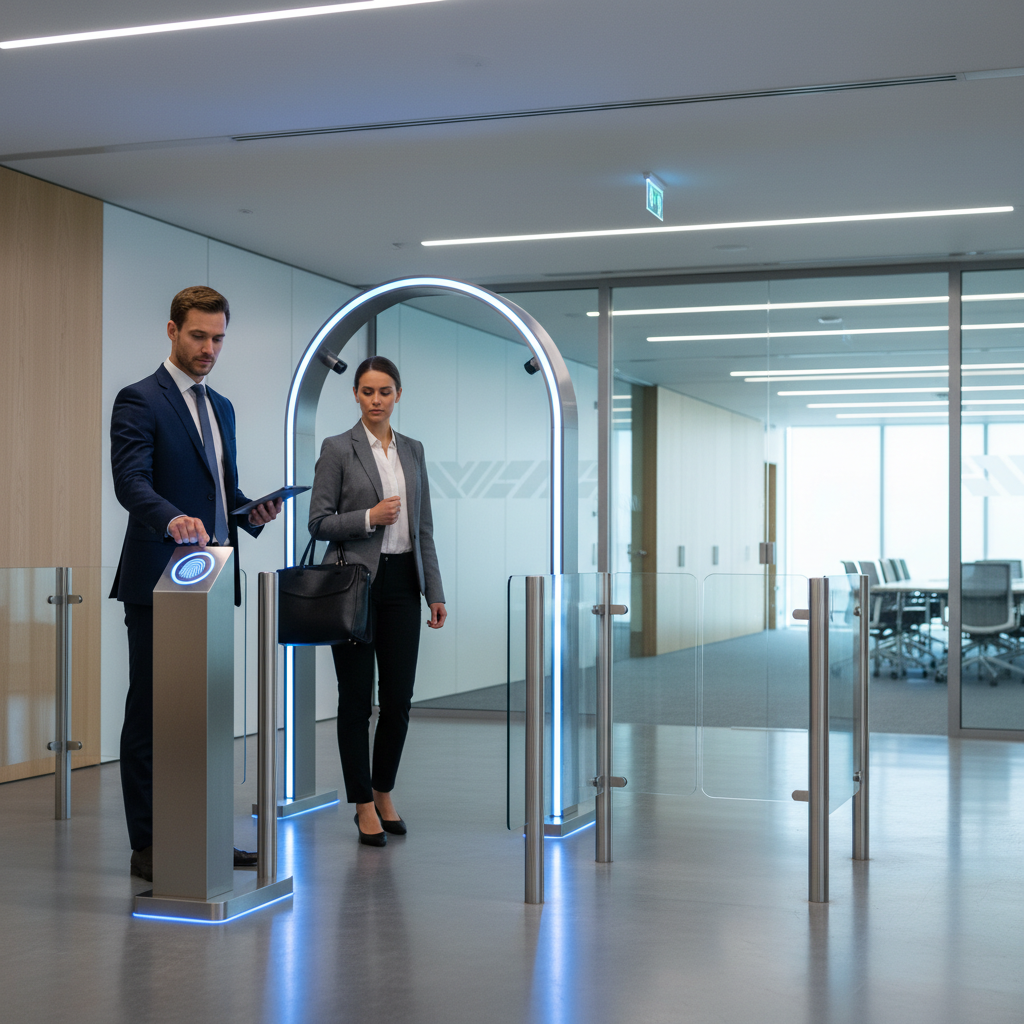
Understanding Biometric Security
Biometric security is a form of authentication that relies on an individual’s unique biological or behavioral traits. Unlike passwords or access cards, biometric identifiers are inherently tied to a person and cannot be easily shared, forgotten, or replicated.
Common biometric methods include fingerprint recognition, facial recognition, iris scanning, voice recognition, and behavioral biometrics such as typing patterns or gait analysis. These technologies analyze and store encrypted biometric templates, which are later used for real-time identity verification when access is requested.
Because biometric traits are unique to each individual, biometric security provides a strong foundation for accurate and reliable access control.
The Limitations of Traditional Access Control Methods
While traditional access control systems have been widely used for decades, they come with several limitations that pose security risks:
- Passwords can be weak, reused, or compromised
- Access cards and keys can be lost, stolen, or duplicated
- PINs can be shared intentionally or unintentionally
- Manual access management increases administrative workload
- Limited visibility into who accessed what and when
These vulnerabilities can lead to unauthorized access, insider threats, data breaches, and compliance failures. As organizations scale, managing access using traditional methods becomes increasingly complex and inefficient.
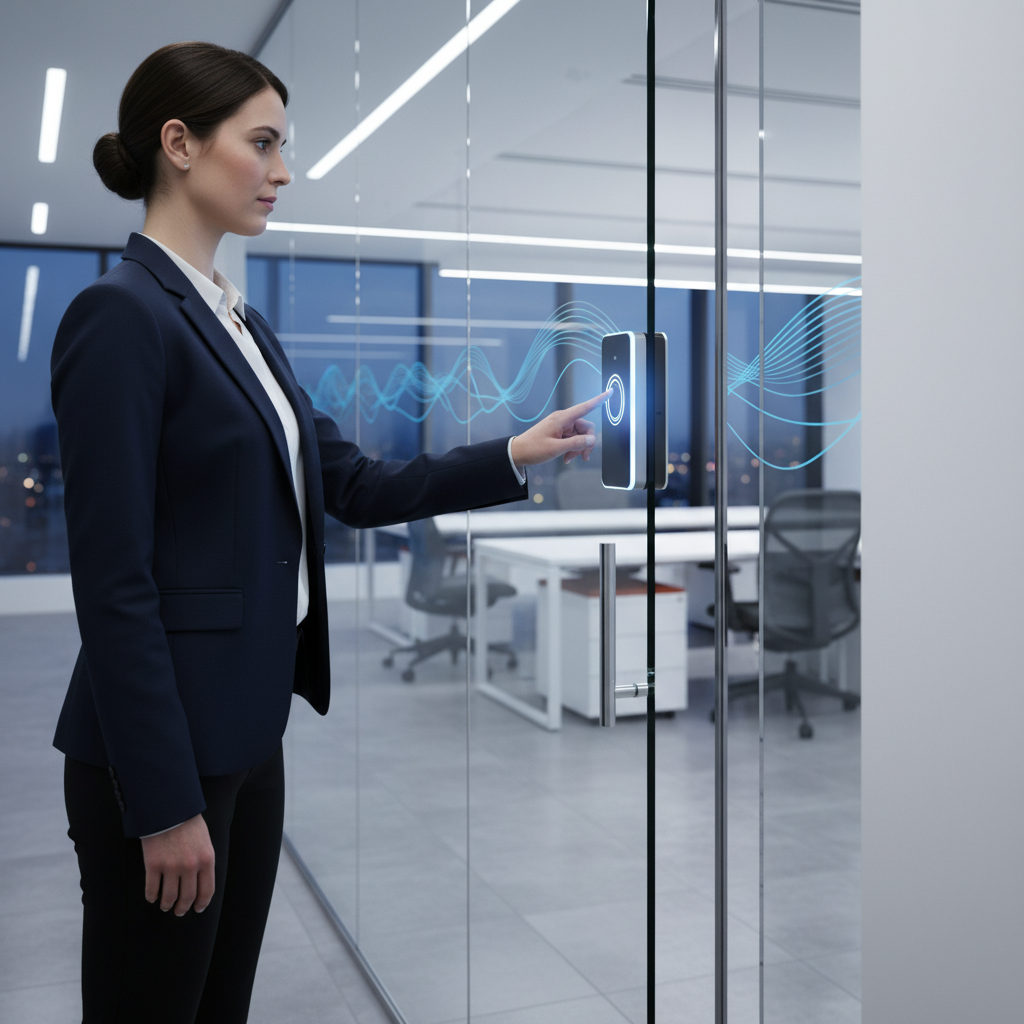
Why Biometric Security Strengthens Access Control
-
Enhanced Identity Verification
Biometric security ensures that access is granted only after verifying a person’s unique identity. This eliminates uncertainty and significantly reduces the risk of impersonation or unauthorized entry. Unlike credentials that can be transferred, biometric authentication directly links access to the individual.
-
Reduced Insider Threats
Insider threats, whether malicious or accidental, are among the most challenging security risks. Biometric systems prevent credential sharing and enforce accountability by ensuring that every access event is traceable to a specific individual.
-
Improved Accuracy and Reliability
Modern biometric technologies offer high accuracy rates with minimal false acceptance or rejection. Continuous improvements in sensors, algorithms, and artificial intelligence have made biometric authentication faster, more reliable, and suitable for real-world environments.
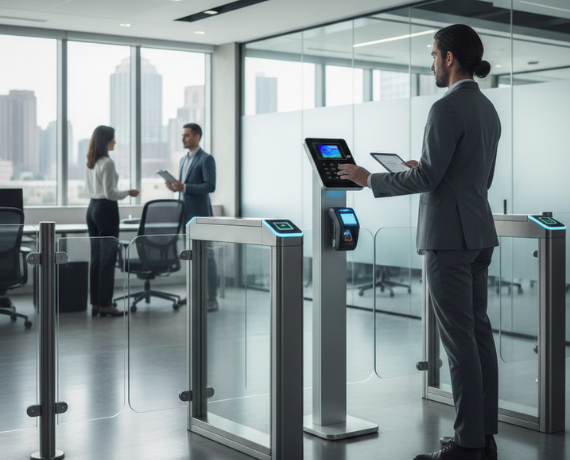
Biometric Security in Modern Office Environments
In today’s workplace, security is not just about restricting access; it is about enabling safe, efficient movement while protecting people, assets, and information. A well-designed office access control system that incorporates biometrics allows organizations to manage employee access based on roles, departments, time schedules, and security zones.
Biometric authentication ensures that only authorized personnel can enter sensitive areas such as server rooms, executive offices, research labs, or financial departments. At the same time, it provides a seamless experience for employees, eliminating the need to carry cards or remember multiple passwords.
Operational Benefits of Biometric Access Control
Streamlined Access Management
Biometric systems simplify user management by eliminating the need to issue, track, and replace physical credentials. Enrolling or removing users becomes a quick, centralized process, reducing administrative overhead.
Faster Authentication
Biometric verification is typically faster than manual checks or card-based systems. Employees can access secured areas quickly, reducing congestion during peak hours and improving overall workplace efficiency.
Scalability for Growing Organizations
As businesses expand, biometric systems can easily scale to accommodate new employees, locations, or access points without significantly increasing complexity or cost.

Compliance and Audit Readiness
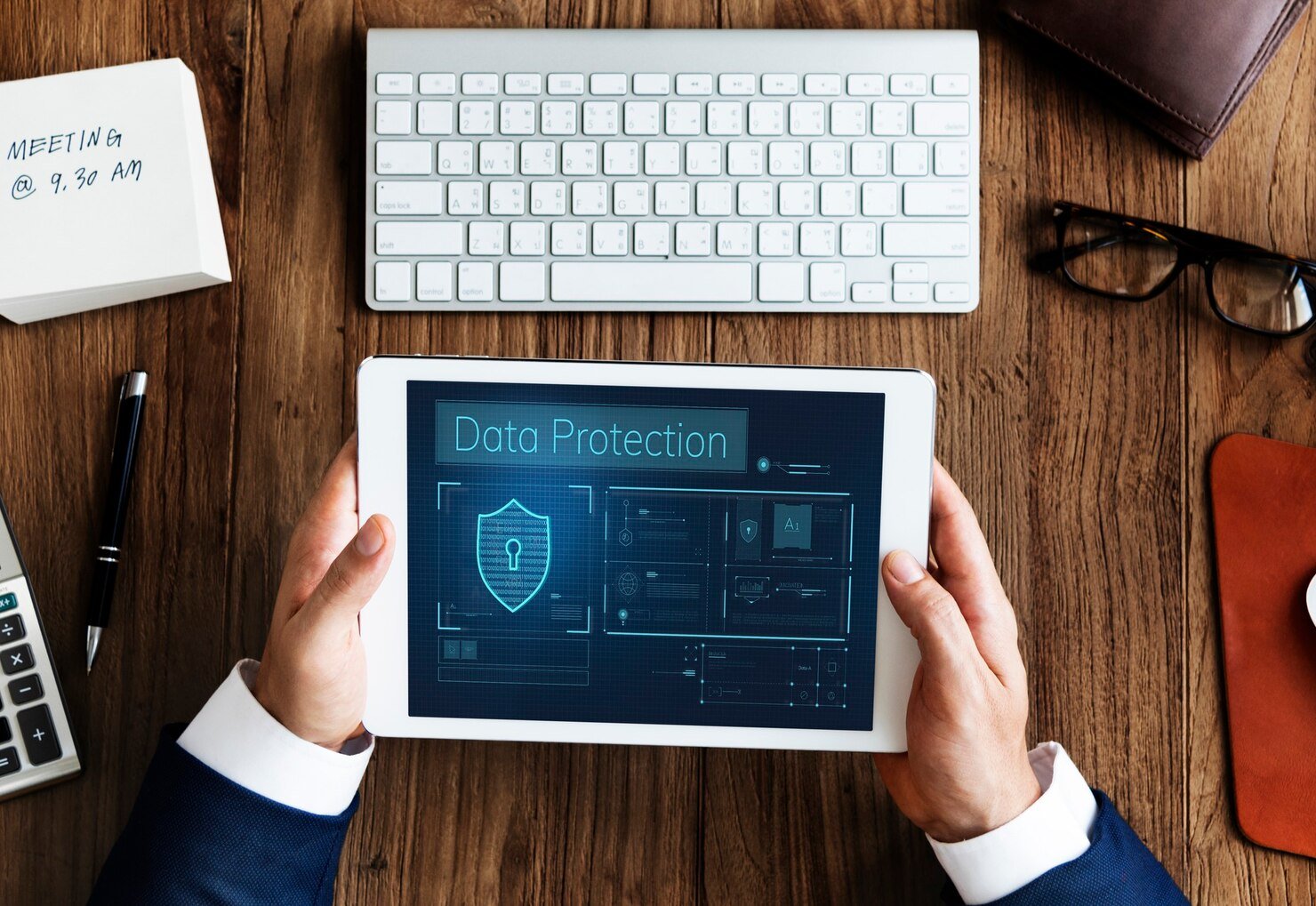
Many industries are subject to strict data protection and security regulations. Biometric security supports compliance by providing strong authentication, controlled access, and detailed audit logs. Every access attempt, successful or failed, is recorded, making it easier to conduct audits, investigate incidents, and demonstrate regulatory compliance.
This level of transparency is particularly valuable in industries such as healthcare, finance, manufacturing, and IT, where security and accountability are paramount.
Addressing Privacy and Security Concerns
Data Privacy Considerations
One common concern around biometric systems is data privacy. Responsible implementation is essential to ensure user trust and regulatory compliance. Modern biometric solutions address these concerns by:
- Storing encrypted biometric templates instead of raw images
- Using secure, tamper-resistant databases
- Limiting access to biometric data
- Complying with applicable data protection regulations
- Clearly communicating data usage policies to users
When implemented correctly, biometric systems can enhance security without compromising individual privacy.
Integrating Biometrics into a Layered Security Strategy
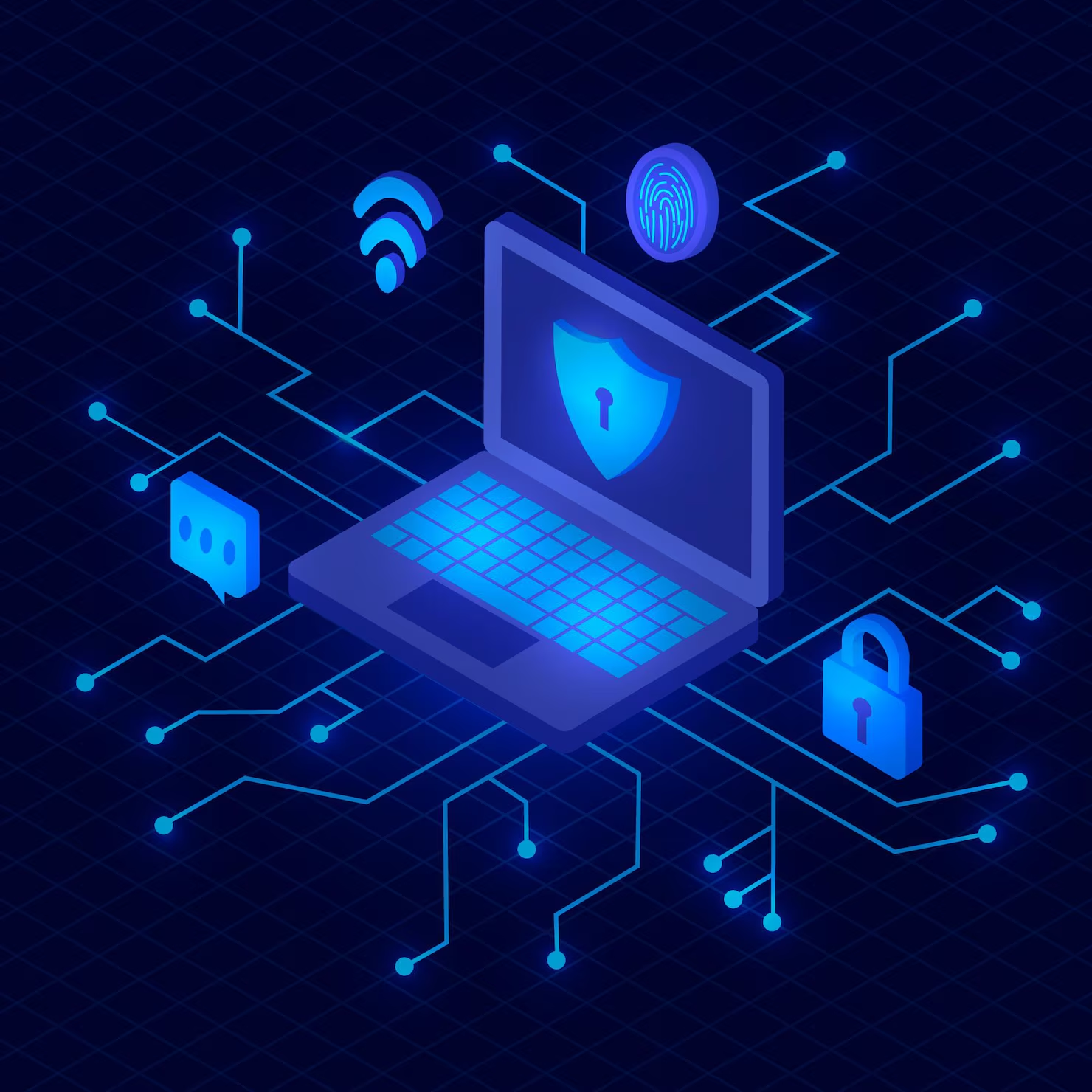
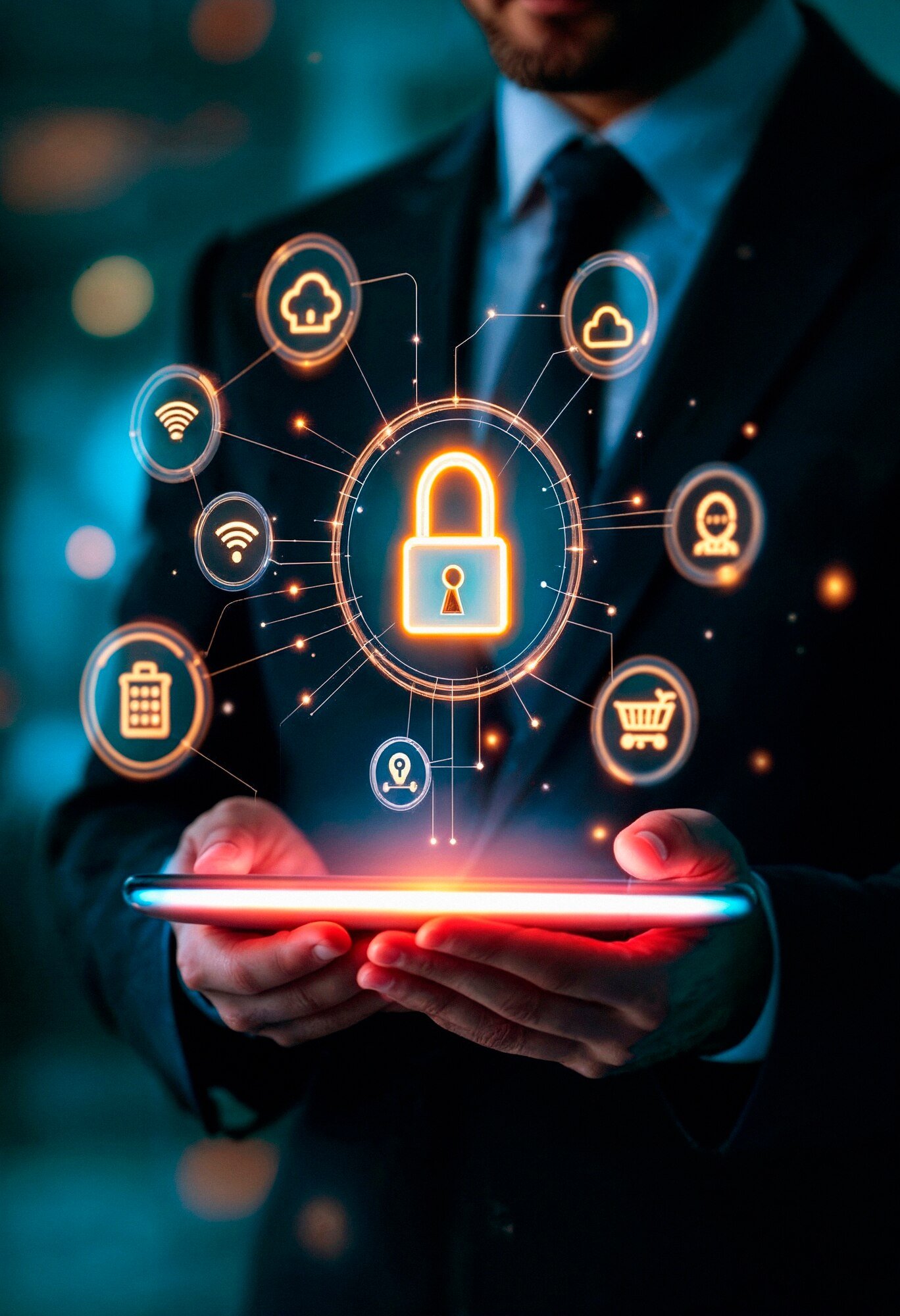
Biometric authentication is most effective when used as part of a layered security approach. Combining biometrics with other measures such as role-based access, smart cards, or multi-factor authentication creates a more resilient defense against evolving threats.
A well-integrated biometric access control solution strengthens both physical and digital security, ensuring consistent protection across systems and environments.
Long-Term Cost Efficiency
Although biometric systems may require a higher initial investment, they often reduce long-term operational costs. Expenses related to lost cards, password resets, security breaches, and manual access management are significantly reduced over time. The improved security posture also helps prevent costly incidents that could damage reputation and business continuity.
The Future of Access Control and Biometric Security
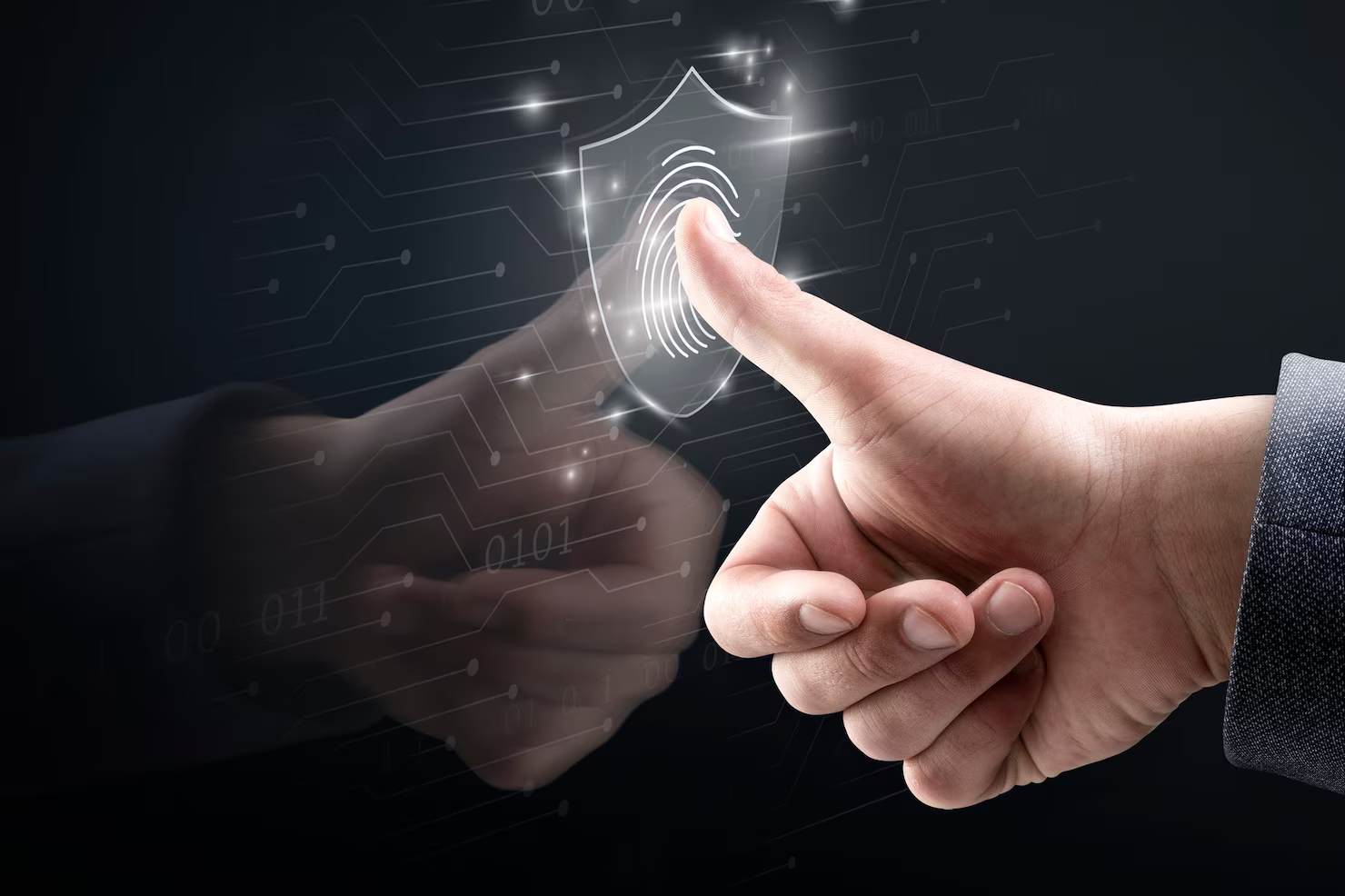
Biometric security is evolving to make access control safer and more efficient. Contactless methods like facial recognition and iris scanning, along with behavioral authentication such as typing or walking patterns, provide real-time identity verification and reduce unauthorized access.
Continuous monitoring within secure areas enhances accountability, while integration with AI, IoT, and cloud platforms enables seamless, future-ready access management that maintains high standards of security and compliance.
Conclusion
Biometric security is no longer a luxury or a niche technology; it is a strategic necessity for modern access control. By leveraging unique human characteristics, biometric systems provide stronger authentication, reduce insider risks, improve operational efficiency, and support compliance requirements.When integrated thoughtfully into an organization’s access control strategy, biometric security delivers long-term value by protecting people, assets, and information while enabling seamless and secure access. As threats continue to evolve, organizations that embrace biometric solutions will be better equipped to build trust, resilience, and sustainable growth.
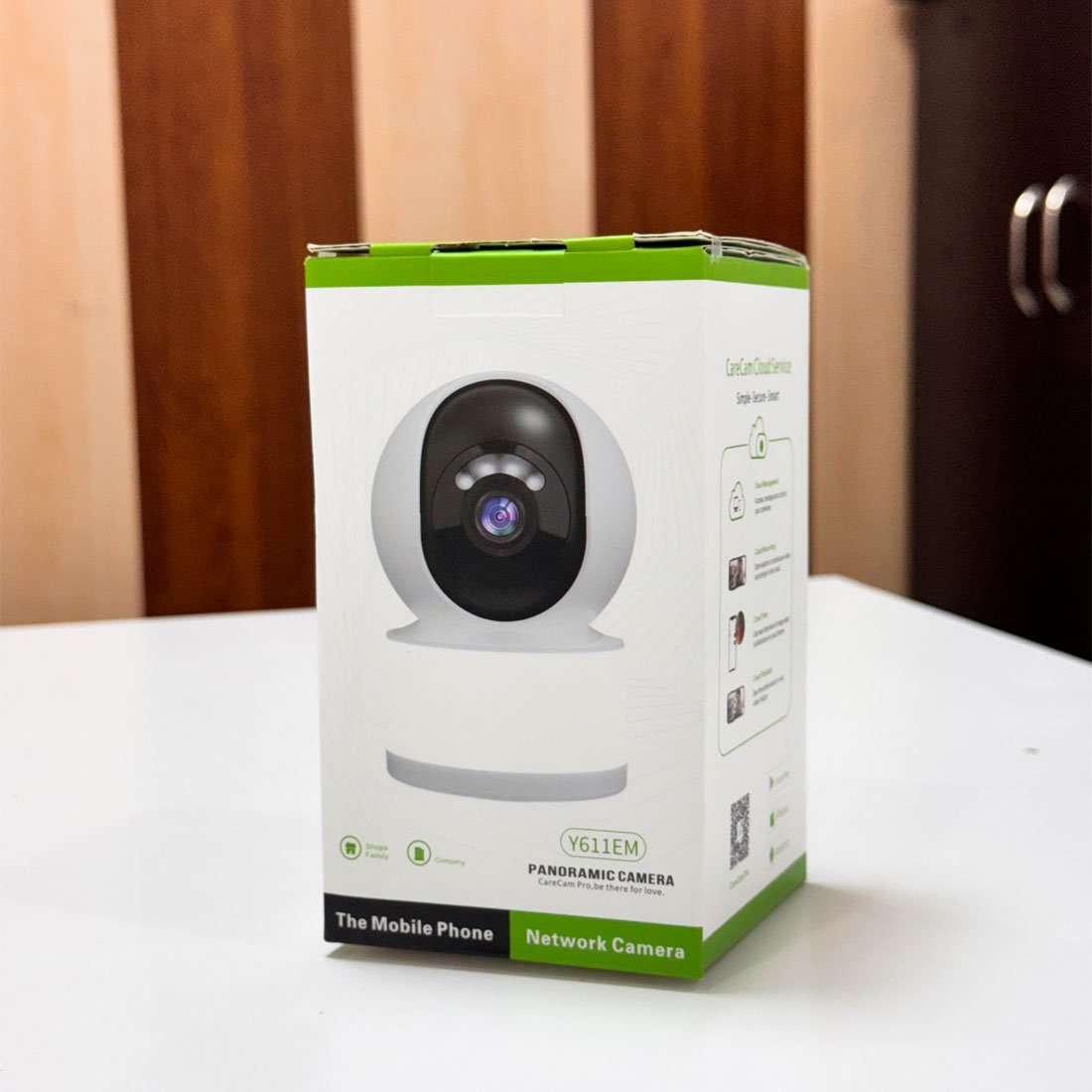 WiFi Camera
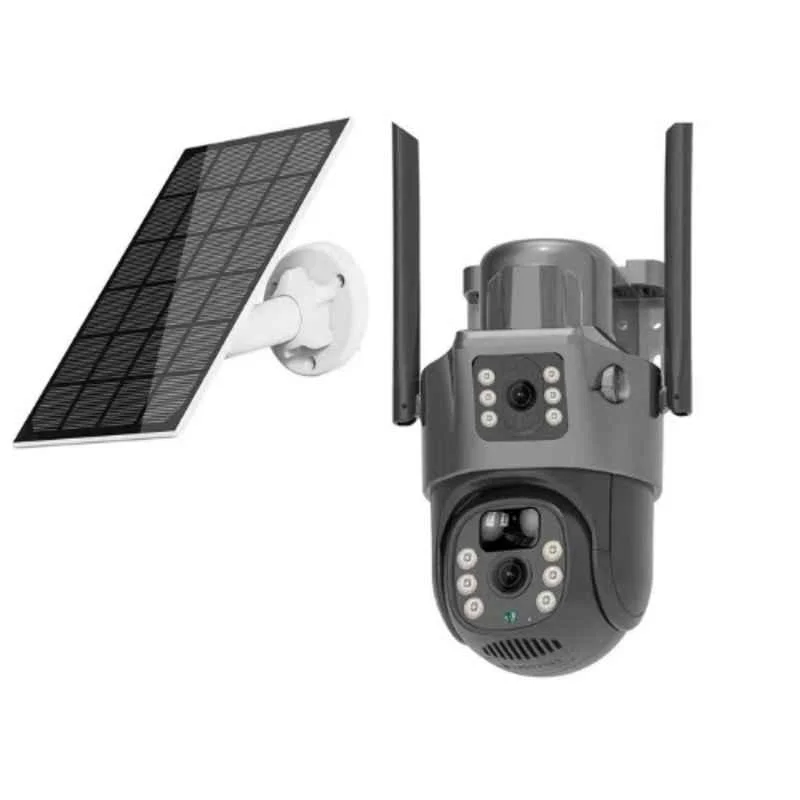 Solar Camera