We ship worldwide…


Best Night Vision Home Security Cameras of 2026: Key Features and Buying Considerations

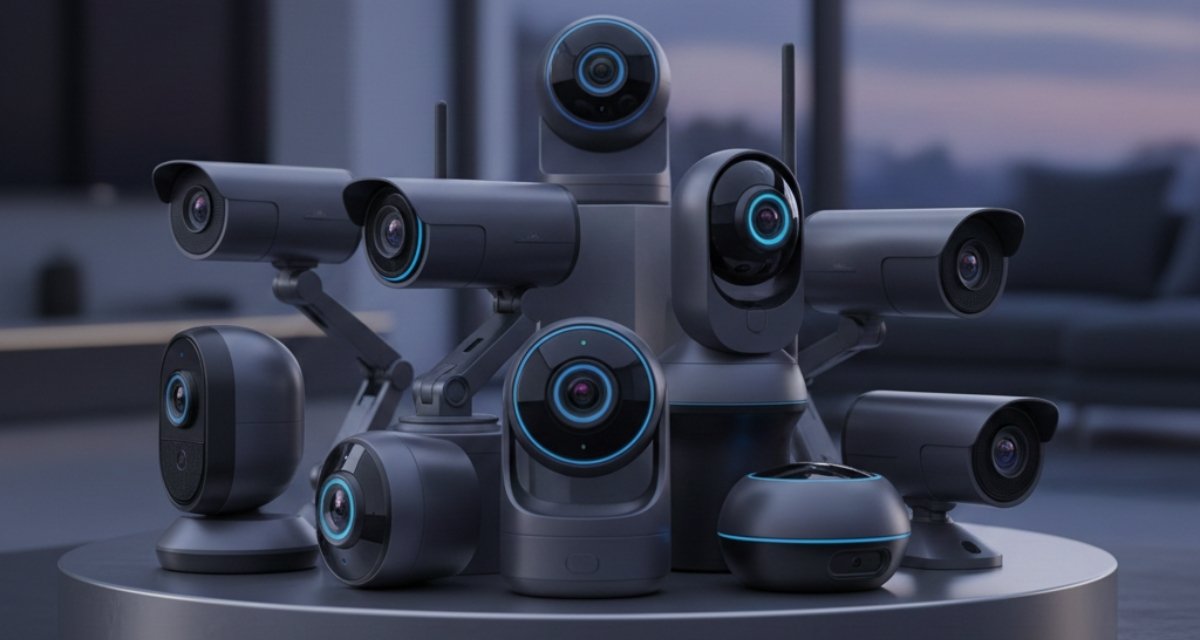
Best Night Vision Home Security Cameras of 2026: Key Features and Buying Considerations
Home security has evolved rapidly in recent years, and night vision security cameras have become a critical component of modern home protection systems. Since most security incidents occur after dark, the ability to clearly monitor activity at night is no longer optional, it is essential. In 2026, night vision home security cameras are more advanced, intelligent, and accessible than ever before. With improvements in low-light imaging, AI-powered detection, and smart home integration, homeowners now have powerful tools to protect their properties around the clock.
This guide explores the best night vision home security camera features of 2026 and highlights key buying considerations to help you choose the right solution without compromising safety or compliance with best security practices.
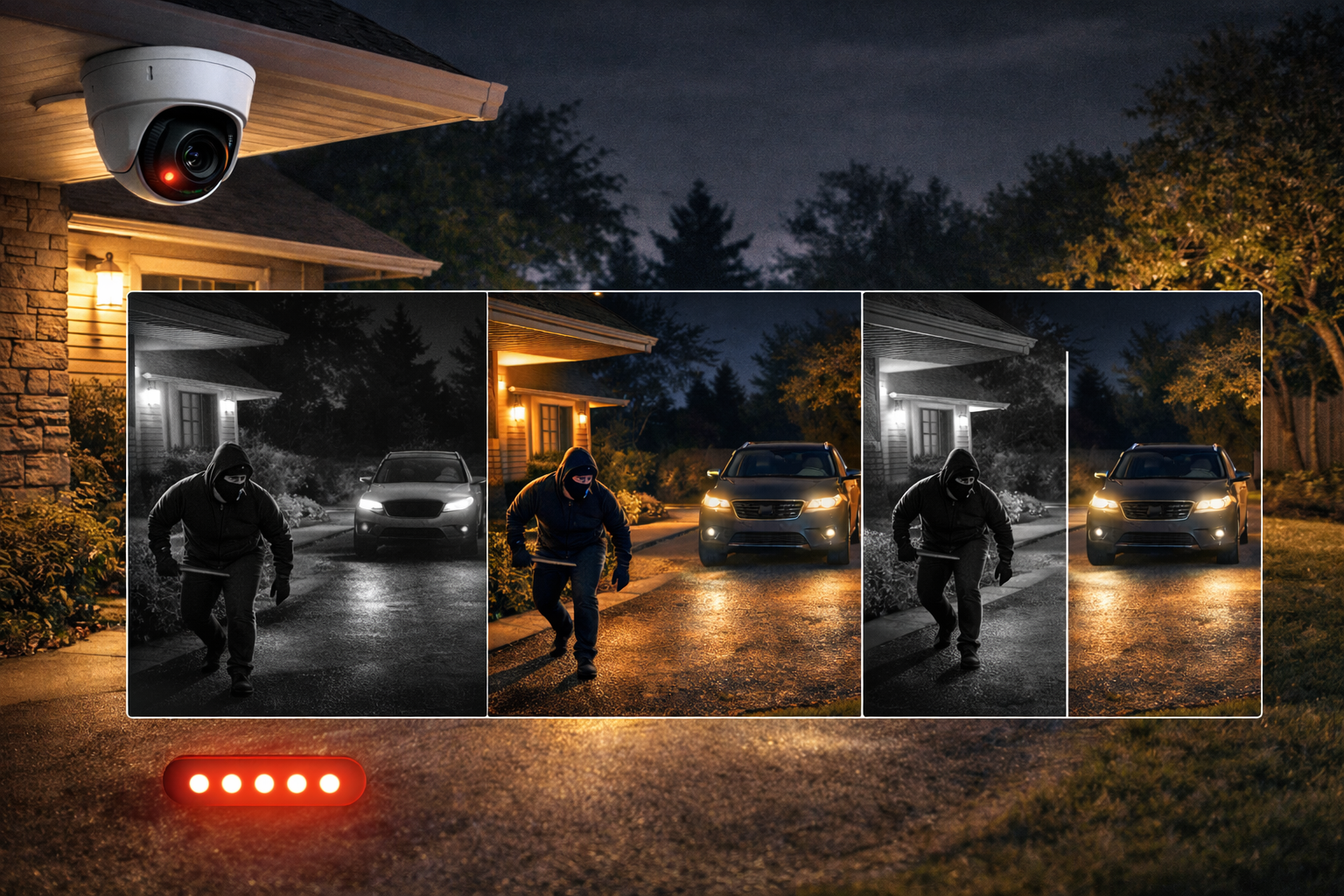
Why Night Vision Matters in Home Security
Nighttime presents unique security challenges due to limited visibility and increased vulnerability. Traditional cameras often struggle in low-light environments, producing grainy or unusable footage. Night vision cameras are specifically designed to overcome these limitations by using infrared technology, low-light sensors, or advanced imaging techniques.
High-quality night vision enables homeowners to:
- Monitor entrances, driveways, and outdoor areas after dark
- Capture clear evidence in case of suspicious activity
- Deter intruders through visible surveillance presence
In 2026, night vision technology has moved beyond basic black-and-white footage to deliver sharper, more reliable monitoring.
Key Night Vision Technologies Used in 2026
Modern night vision security cameras rely on multiple technologies to enhance visibility in darkness. Understanding these options helps homeowners make informed purchasing decisions. Infrared (IR) night vision remains the most common technology, using invisible IR LEDs to illuminate areas without alerting intruders. Many cameras now support extended IR ranges and improved clarity.
Low-light color night vision is another major advancement. By using larger image sensors and ambient light amplification, these cameras can capture full-color footage in dim environments such as street-lit areas. Some premium models combine both technologies, automatically switching based on lighting conditions to deliver optimal image quality.
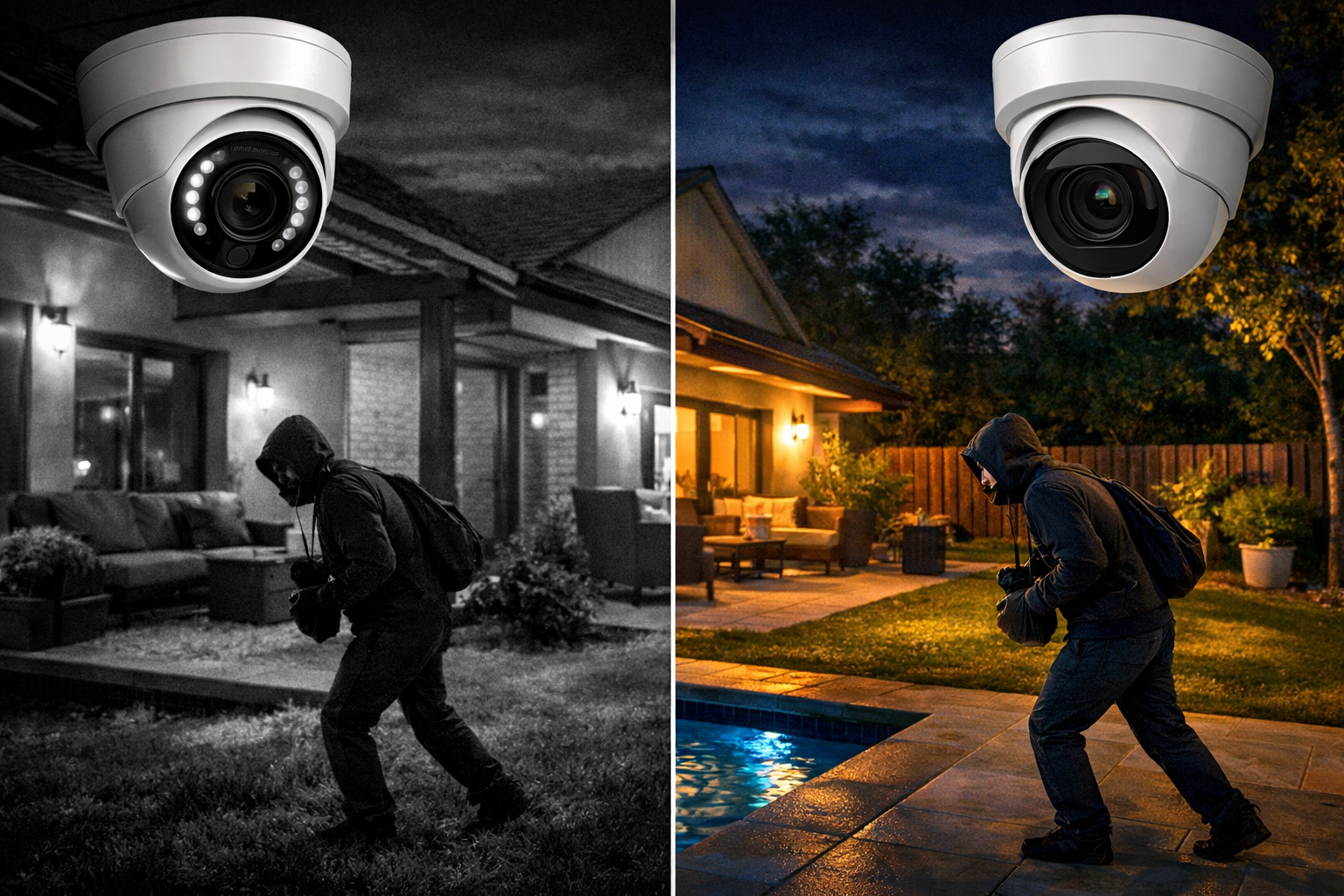
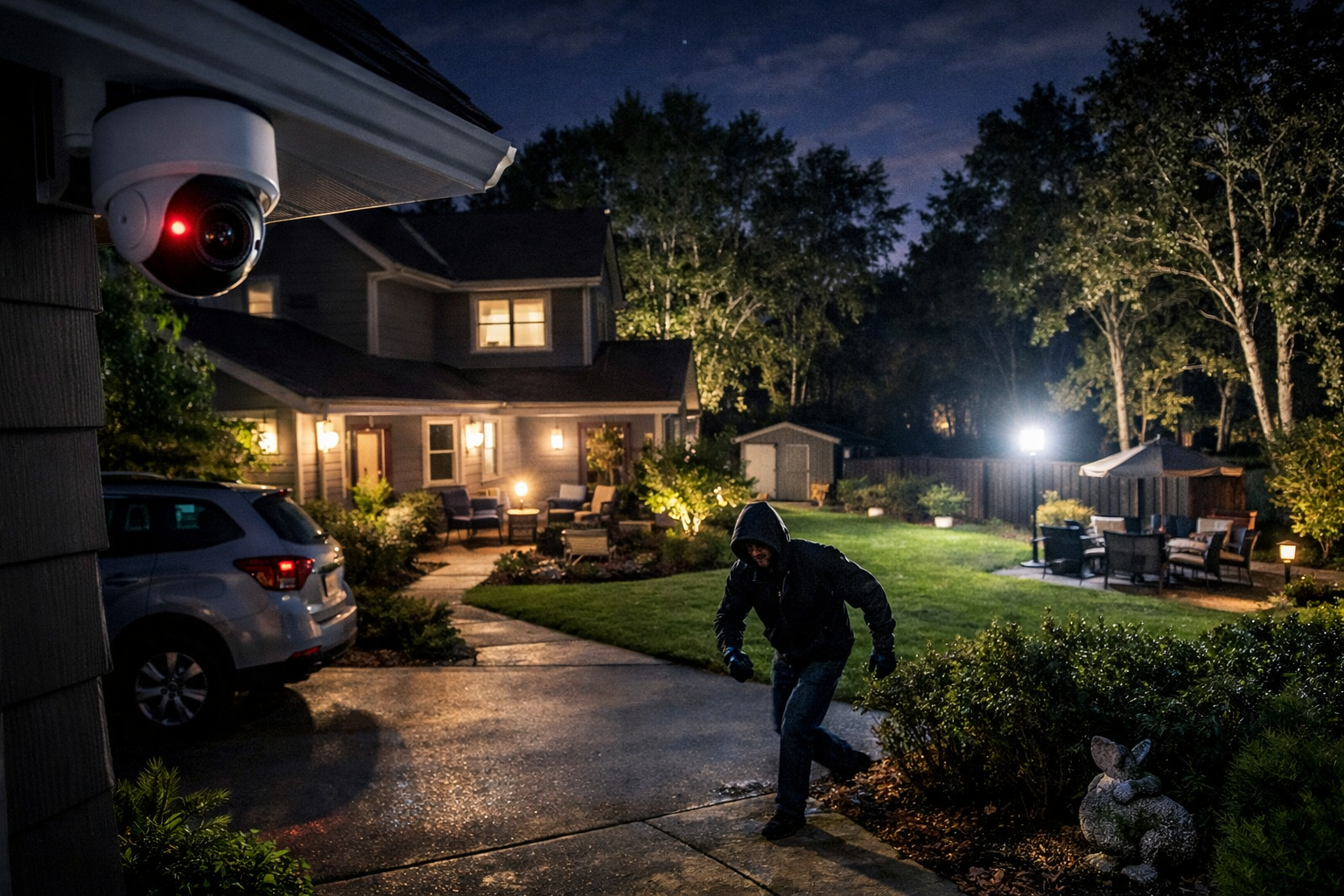
Image Quality and Resolution in Low-Light Conditions
Resolution plays a vital role in night vision performance. In 2026, most reliable home security cameras offer 1080p Full HD, while higher-end models provide 2K or 4K resolution for enhanced detail.
However, resolution alone is not enough. Image sensors, aperture size, and noise reduction algorithms significantly impact nighttime clarity. A well-optimized 1080p camera can outperform a poorly designed 4K model in low-light settings.
When evaluating night vision cameras, homeowners should focus on consistent clarity, minimal motion blur, and accurate contrast rather than just resolution numbers.
Smart Detection and AI-Powered Night Monitoring
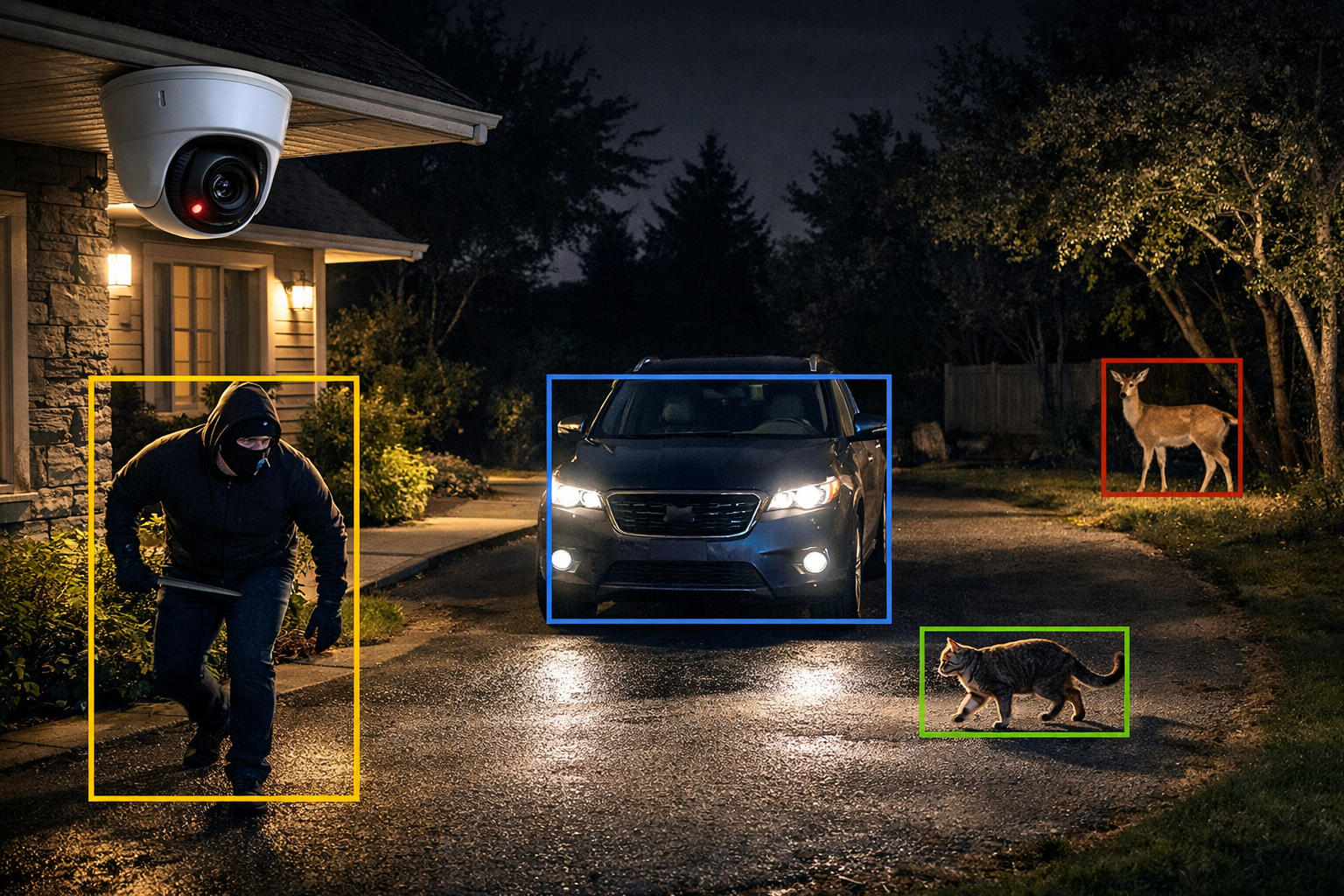
One of the biggest improvements in night vision cameras in 2026 is the integration of AI-powered motion detection. Unlike traditional motion sensors that react to any movement, AI systems can distinguish between people, vehicles, animals, and irrelevant motion such as shadows or insects.
This intelligent detection reduces false alerts and ensures homeowners are notified only when meaningful activity occurs. Some systems also support customizable detection zones and sensitivity levels, allowing users to fine-tune alerts based on their property layout.
AI-based night monitoring improves both convenience and reliability, making security systems more practical for daily use.
Indoor vs Outdoor Night Vision Cameras
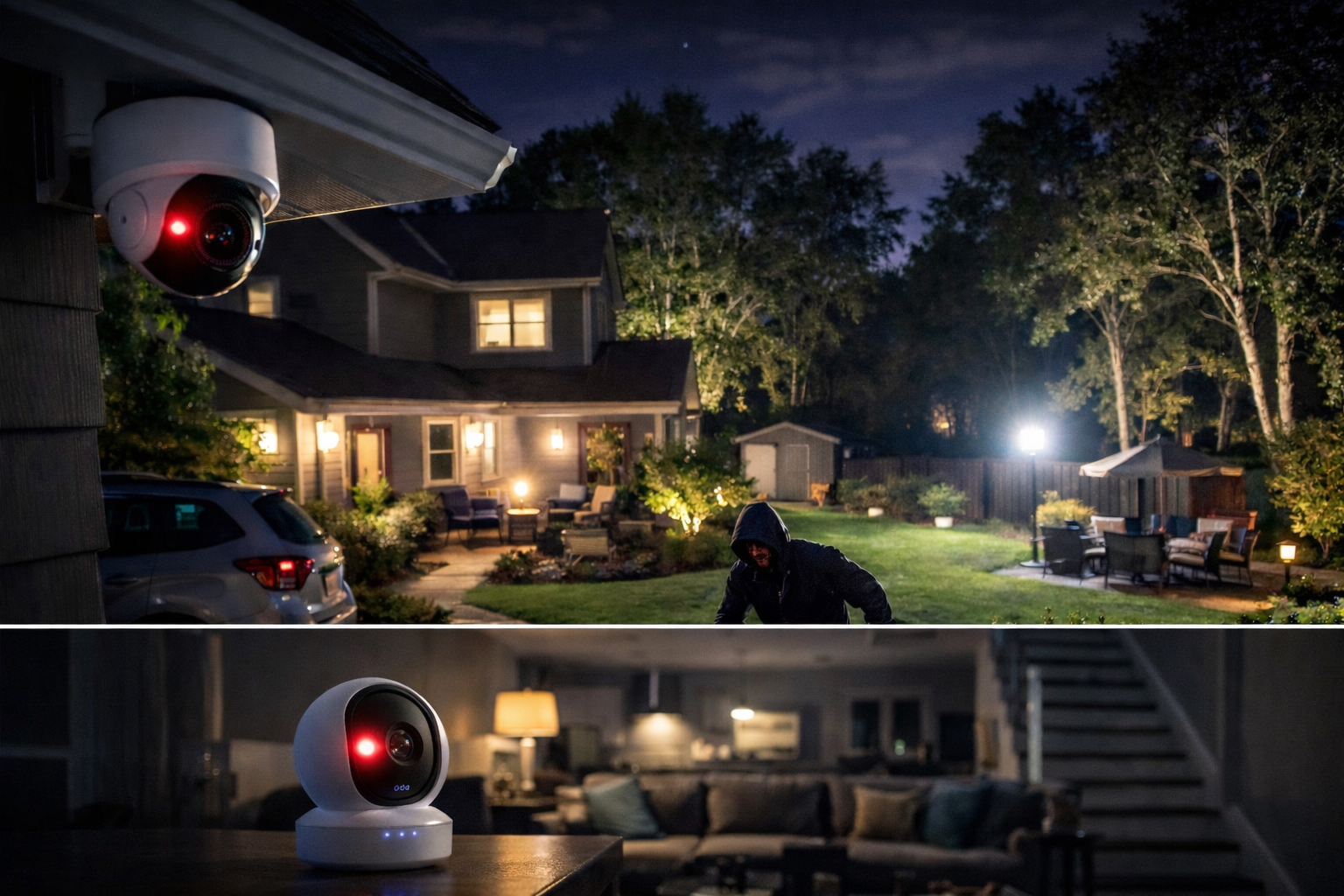
Night vision requirements vary between indoor and outdoor environments. Outdoor cameras must withstand weather conditions while delivering reliable performance in complete darkness.
Key considerations for outdoor cameras include:
- Weather resistance and durability
- Extended night vision range
- Protection against glare from headlights or streetlights
Indoor night vision cameras focus more on discretion, compact design, and integration with home automation systems. Selecting cameras designed for their intended environment ensures long-term performance and reliability.
Storage Options and Video Access
Video storage is a key consideration when choosing a night vision security camera. In 2026, most systems offer a combination of cloud storage and local storage options.
Cloud storage provides convenient access to footage from anywhere and protects recordings from physical damage. Local storage, such as SD cards or network video recorders (NVRs), offers greater control and reduced subscription costs. Homeowners should evaluate storage capacity, retention periods, encryption standards, and accessibility when comparing camera systems.
Field of View and Coverage Area
The field of view determines how much area a camera can monitor at once. In 2026, most night vision home security cameras offer wide-angle lenses ranging from 120 to 180 degrees.
A wider field of view reduces the number of cameras needed to cover a property, while pan-tilt-zoom (PTZ) models provide flexible monitoring by allowing users to remotely adjust camera angles.
Choosing the right coverage depends on property size, camera placement, and specific security concerns such as blind spots or entry points.
Smart Home Integration and Remote Monitoring
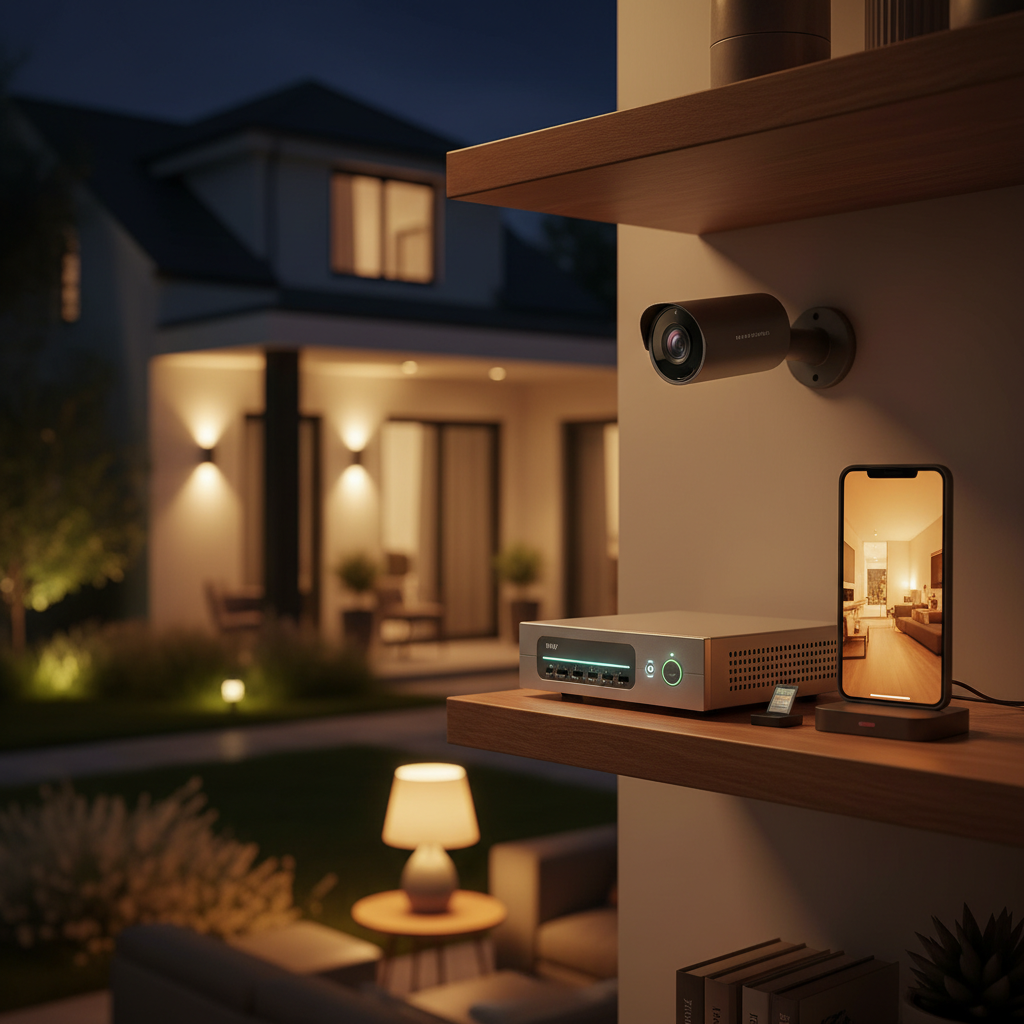
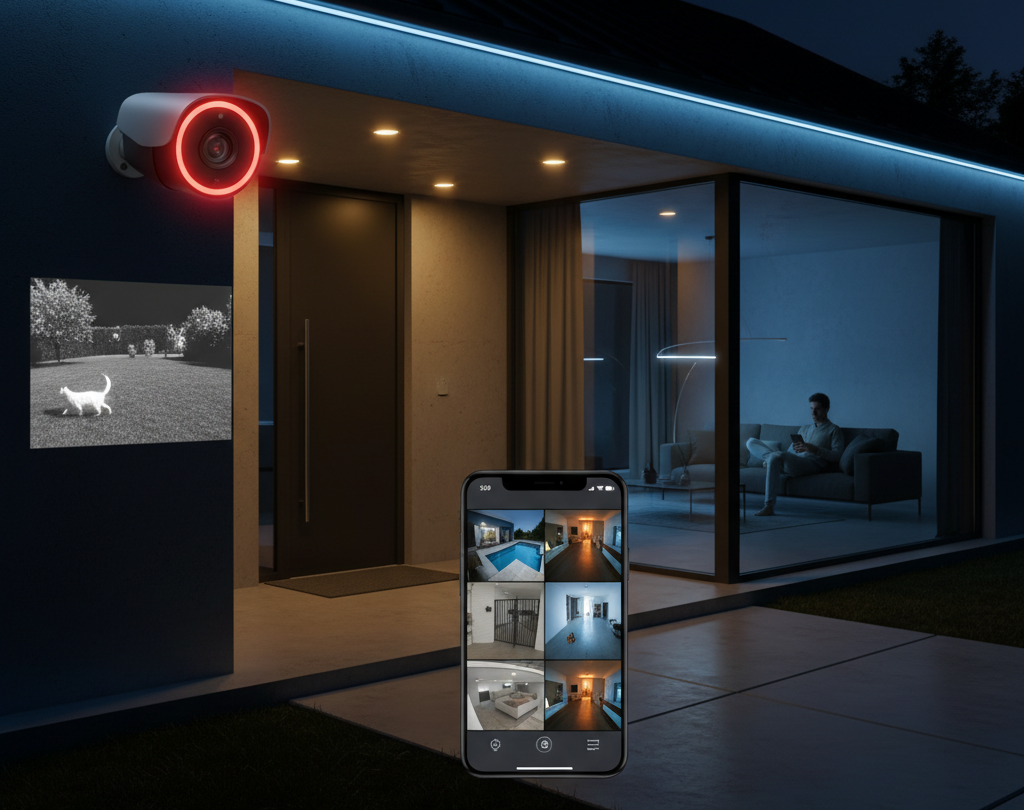
Modern night vision cameras seamlessly integrate with smart home ecosystems. Many models support voice assistants, mobile apps, and automation routines that enhance convenience and security.
Remote monitoring allows users to:
- View live feeds in real time
- Receive instant alerts during nighttime activity
- Communicate through two-way audio features
Integration with smart lighting or alarm systems can further improve nighttime security by triggering lights or alerts when motion is detected.
Privacy, Security, and Compliance Considerations
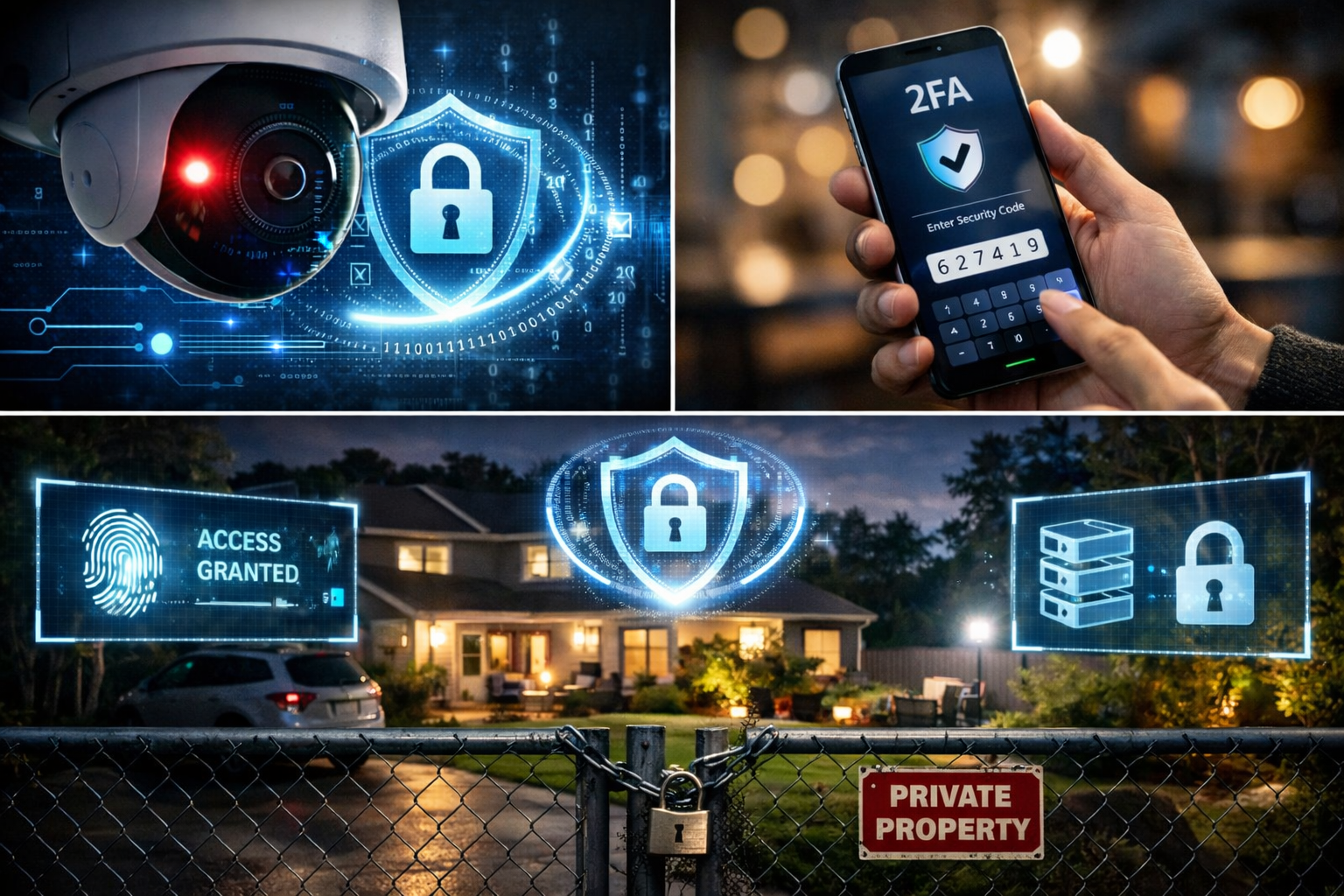
As surveillance technology advances, privacy and data security have become critical concerns. Reputable camera manufacturers in 2026 emphasize strong encryption, secure authentication, and transparent privacy policies.
Homeowners should prioritize cameras that:
- Offer encrypted video transmission
- Support multi-factor authentication
- Allow control over data sharing and access permissions
Responsible usage and compliance with local surveillance regulations help ensure ethical and lawful monitoring.
How to Choose the Best Night Vision Camera for Your Home
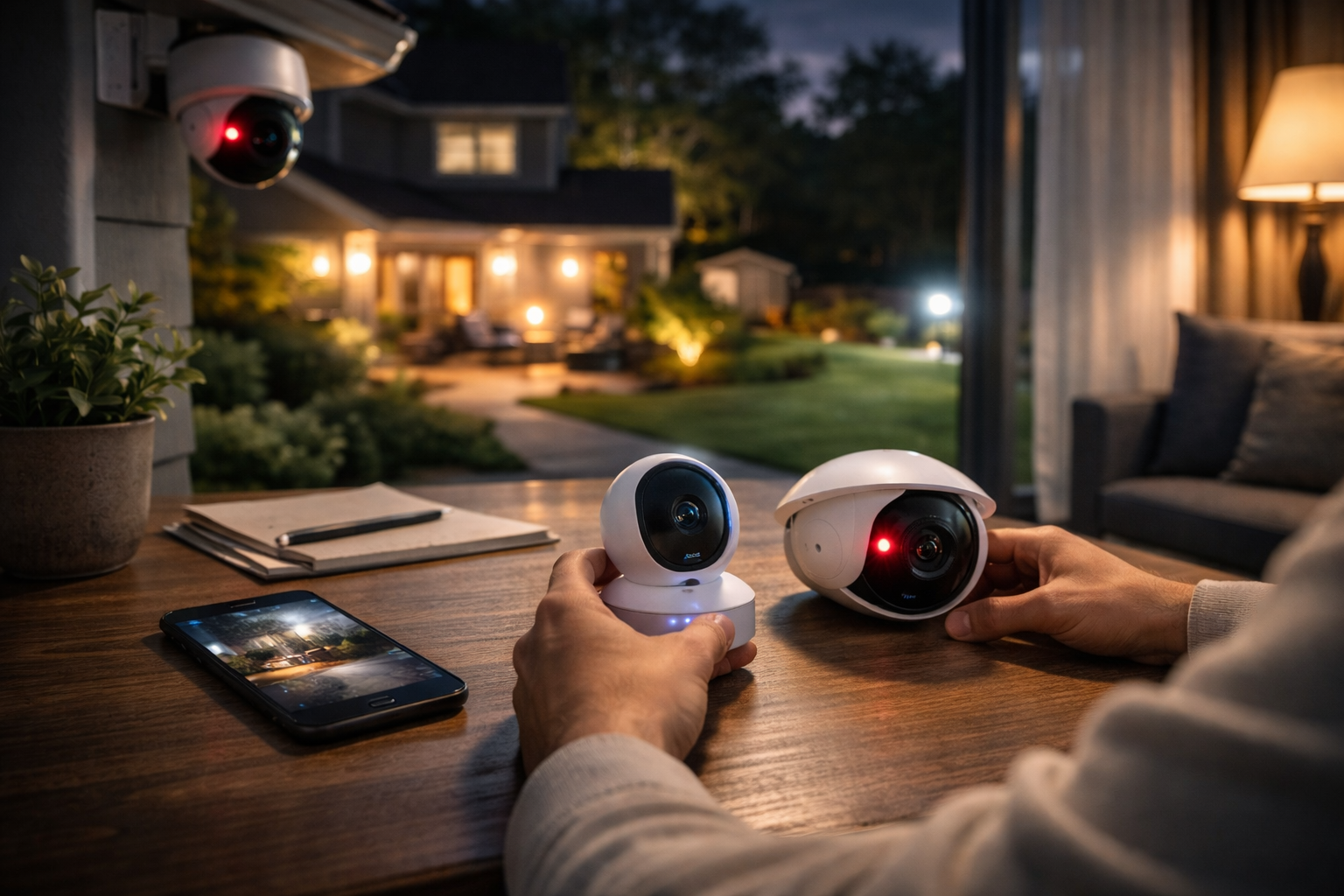
Selecting the right night vision home security camera depends on individual needs and property conditions.
Factors such as lighting environment, budget, storage preferences, and smart home compatibility should guide decision-making.
Homes with low ambient light may require advanced infrared or low-light color sensors for better visibility.
Rather than focusing solely on brand names, homeowners should evaluate performance consistency, ease of use, and long-term reliability.
A user-friendly mobile app and stable connectivity can significantly improve the overall experience of using a security system. If you are serious about your home security and looking for complete surveillance solutions, explore our list of the best WiFi cameras for home security in India.
Conclusion
As smart home technology advances, smart locks in 2026 are not just security upgrades, they are essential components of an intelligent, connected lifestyle. From professional security-grade locks to biometric-enabled systems and integrated video solutions, there is a smart lock suited to every need and budget. Choosing the right smart lock means balancing features like connectivity, physical security standards, and ease of use. Whether you prioritize cutting-edge biometrics, integrated video monitoring, or strong value for money, the best smart locks of 2026 deliver enhanced protection and convenience for modern homes.
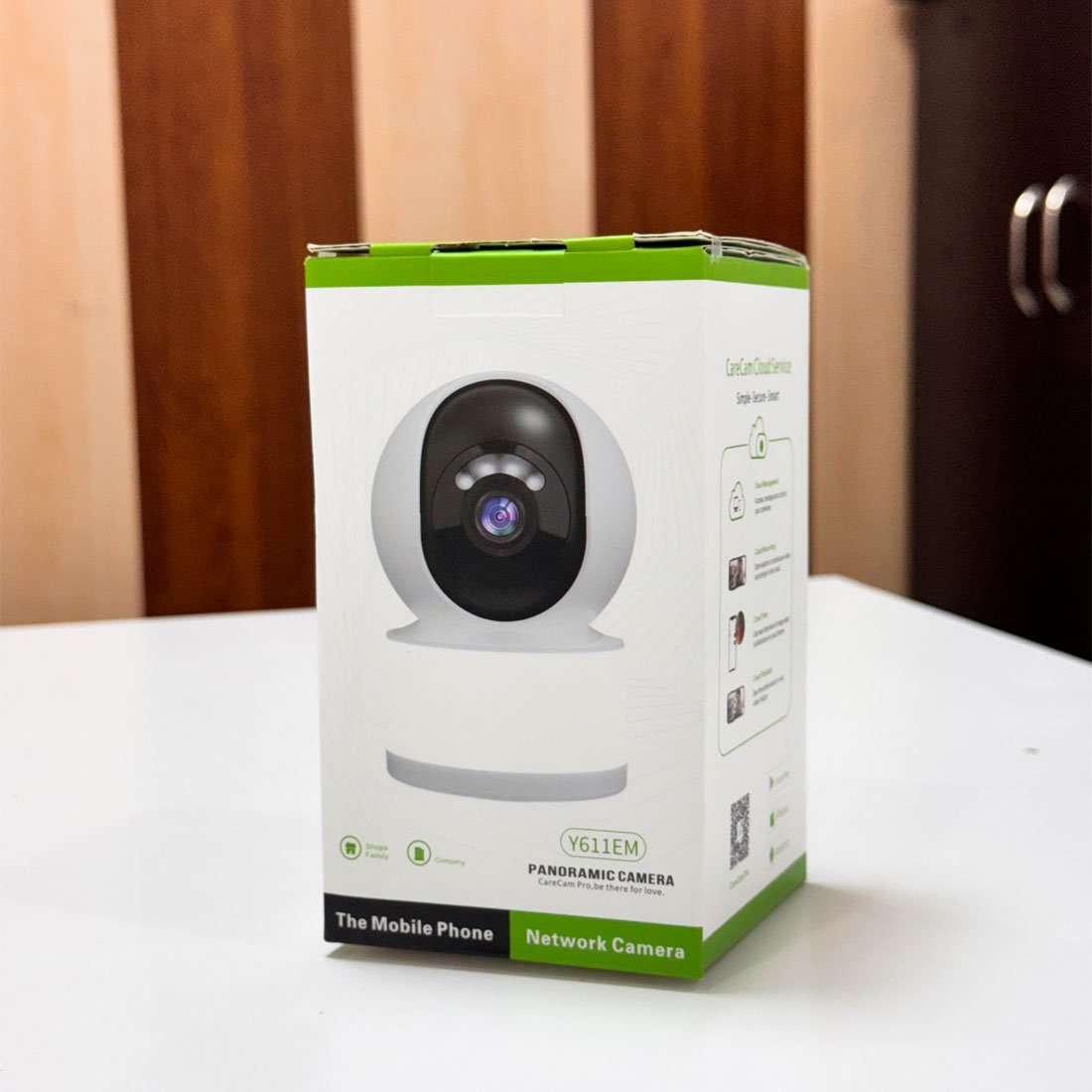 WiFi Camera
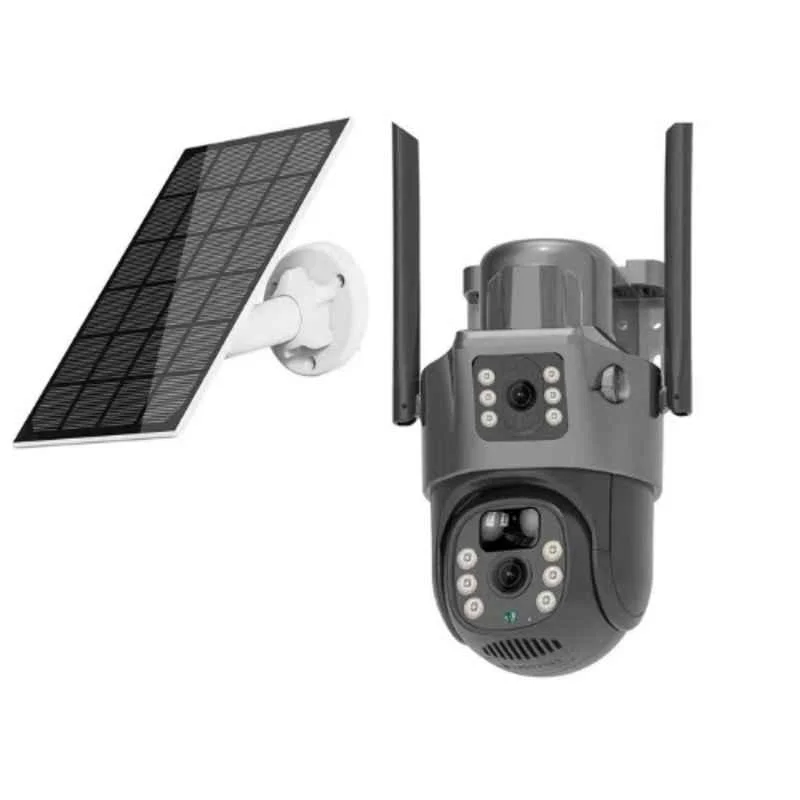 Solar Camera