We ship worldwide…


The Latest Trends in Security System Technology in 2026

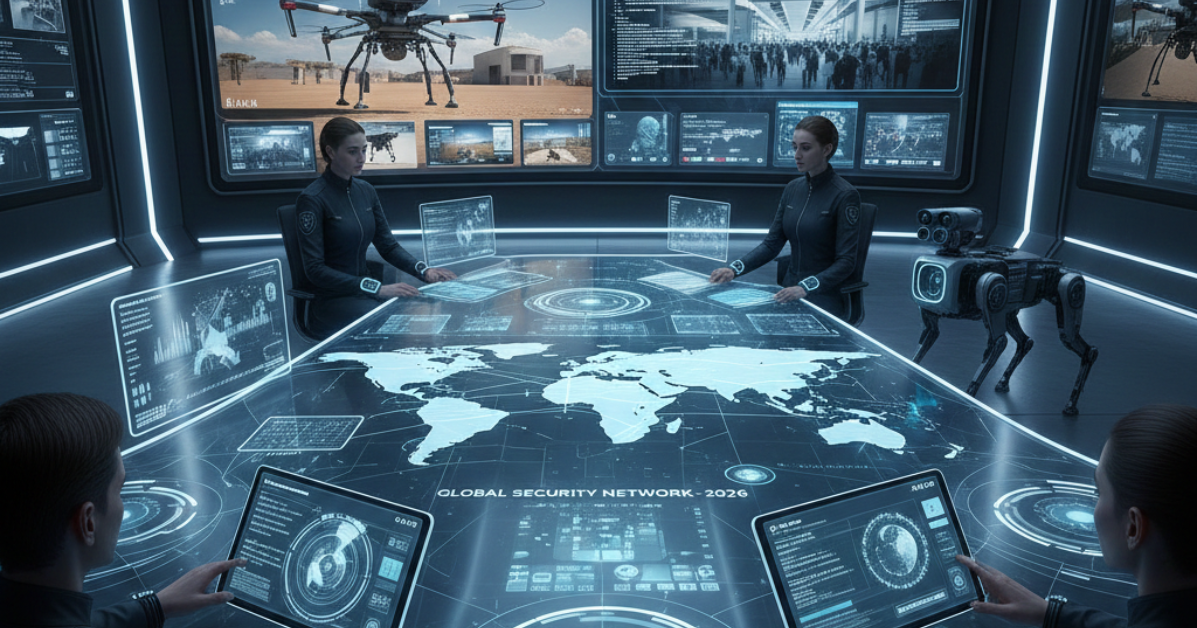
The Latest Trends in Security System Technology in 2026
In 2026, security is no longer limited to reacting after an incident occurs. Modern security systems are built to predict risks, prevent threats early, and create intelligent environments that protect people, property, and data at all times.
As threats grow more sophisticated, security system technology has evolved into connected, intelligent, and real-time solutions. Businesses today expect more than basic alarms or standalone cameras, they need systems that can learn, adapt, and respond instantly.
At VSecure 360, we witness this shift every day. Organizations are increasingly adopting advanced security systems that combine automation, analytics, and centralized control. This blog explores the most important security system technology trends in 2026 and how they are transforming protection for offices, commercial facilities, and residential spaces.

1. The Evolution of Security System Technology in 2026
Security systems have progressed far beyond traditional motion sensors and sirens. In 2026, modern security solutions operate as unified platforms, integrating video surveillance, alarm systems, and office access control systems into a single intelligent ecosystem.
This evolution is driven by the need for:
- Faster incident response
- Real-time visibility
- Proactive threat detection
- Scalable security management
Today’s security systems function as interconnected networks where devices share data continuously. This enables organizations to detect risks earlier, reduce response times, and manage security more efficiently across multiple locations.
2. Artificial Intelligence in Modern Security Systems
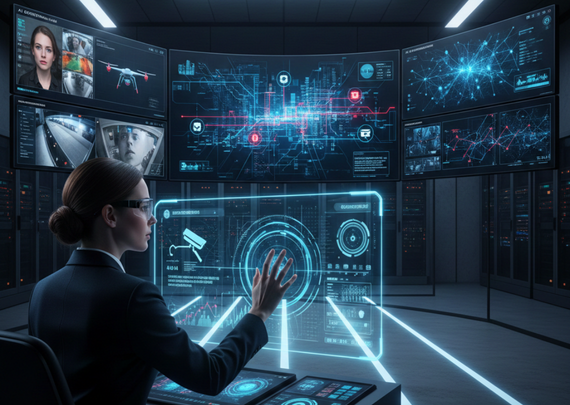
Artificial intelligence has become a core component of modern security systems. Instead of simply recording events, AI-powered systems analyze behavior patterns and identify anomalies in real time.
For example, AI can detect:
- Unusual movement in restricted areas
- Repeated failed access attempts
- Activity outside normal working hours
By filtering out false alarms and prioritizing genuine threats, AI helps security teams focus on what truly matters. Alarm systems enhanced with AI also provide context-aware alerts, making them more accurate and reliable.

3. Cloud-Based Security for Centralized Control
Cloud-based security platforms have transformed how organizations manage their security infrastructure. In 2026, cloud connectivity allows businesses to monitor and control their security systems from anywhere through a centralized dashboard.
- Remote monitoring and management
- Automatic updates and security patches
- Reduced on-site hardware requirements
- Easy scalability for multi-location businesses
For enterprises managing multiple offices, cloud-based platforms simplify the administration of cameras, alarms, and office access control systems from a single interface.
4. Intelligent Alarm Systems with Faster Response
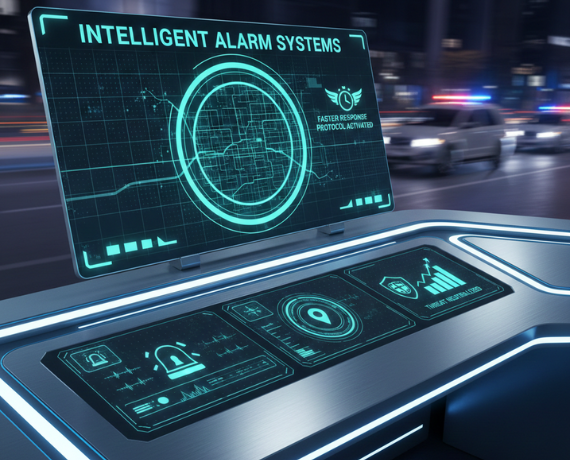
Alarm systems in 2026 are far more advanced than traditional alert-based solutions. Modern alarm technology integrates AI, video verification, and access control to deliver faster and more accurate responses.
When an alarm is triggered, the system can:
- Verify the incident using live video feeds
- Notify the appropriate personnel instantly
- Automatically lock doors or restrict access if needed
These intelligent alarm systems reduce false alerts and enable faster decision-making for both residential and commercial environments.
5. Biometric and Touchless Access Control for Offices
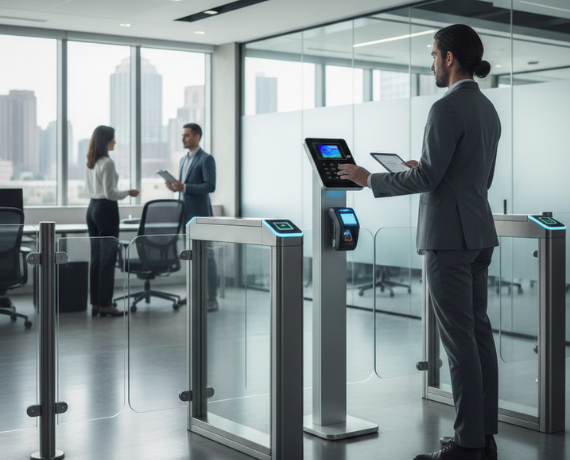
Access control remains a critical component of modern security infrastructure. Biometric access control systems and touchless authentication methods have largely replaced keys, cards, and PINs.
Popular biometric technologies include:
- Facial recognition
- Fingerprint scanning
- Mobile-based authentication
These office access control systems enhance security by eliminating credential sharing and enabling real-time access management. Touchless solutions also support hygiene standards, making them ideal for offices, healthcare facilities, and educational institutions.
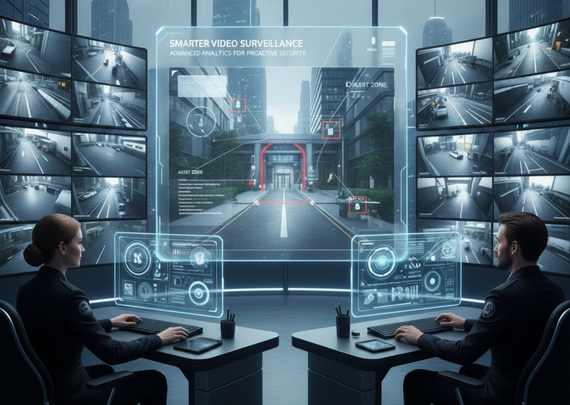
6. Smarter Video Surveillance with Advanced Analytics
Video surveillance has evolved from passive recording to active threat detection. In 2026, cameras equipped with analytics can monitor activity, recognize faces, and identify objects or vehicles in real time.
Advanced video surveillance systems provide:
- Instant alerts for suspicious activity
- Faster video search and retrieval
- Automated reporting for investigations
By transforming video footage into actionable insights, modern surveillance systems significantly improve situational awareness.

7. Cybersecurity in Modern Security Systems
As physical security systems become more connected, cybersecurity has become equally important. Modern security solutions must protect against both digital and physical threats.
High-tech security systems in 2026 prioritize:
- Encrypted data transmission
- Secure user authentication
- Continuous system monitoring
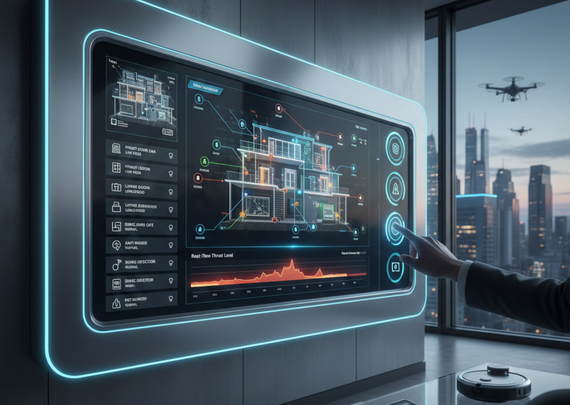
8. IoT-Powered Smart Security Systems
The Internet of Things (IoT) has expanded the capabilities of security systems by enabling devices to work together seamlessly. Smart locks, sensors, cameras, lighting, and access control systems now operate as part of a connected ecosystem.
In 2026, IoT-enabled security systems can:
- Trigger alarms when unauthorized access is detected
- Automatically activate cameras and lighting
- Send real-time alerts to administrators
9. Why VSecure 360 Is a Trusted Security Solutions Provider
At VSecure 360, we design and implement future-ready security solutions tailored to evolving business needs. Our experience in deploying integrated security systems allows us to deliver reliable, scalable, and intelligent solutions.
We specialize in combining:
- Advanced alarm technology
- Smart video surveillance
- Office access control systems
- Biometric authentication
From corporate offices and commercial buildings to critical infrastructure and residential projects, our solutions are built to enhance protection while remaining easy to manage.
Frequently Asked Questions
1. What makes security system technology in 2026 different?
Yes. Security systems in 2026 focus on intelligence, integration, and automation. AI, cloud platforms, and advanced access control help organizations prevent incidents before they occur.
2. How do biometric access control systems improve office security?
Yes. Biometric systems verify identity using unique physical traits, reducing unauthorized access and eliminating the risks of shared credentials.
3. Are modern office security systems easy to manage?
Yes. Cloud-based dashboards allow administrators to manage access, alarms, and surveillance from a single platform.
4. Why is alarm technology still important?
Yes. Alarm systems provide immediate alerts and automated responses. When integrated with video and access control, they significantly improve response accuracy.
5. Can modern security systems scale with business growth?
Yes. Absolutely. Today’s security systems are designed to scale easily, allowing organizations to expand their access control and surveillance infrastructure as needed.
Conclusion
Security system technology in 2026 is defined by intelligence, connectivity, and proactive protection. By integrating AI, cloud platforms, IoT devices, and biometric access control systems, organizations can build safer, smarter environments.For businesses seeking long-term protection, investing in modern office access control systems and integrated security solutions is no longer optional, it’s essential.
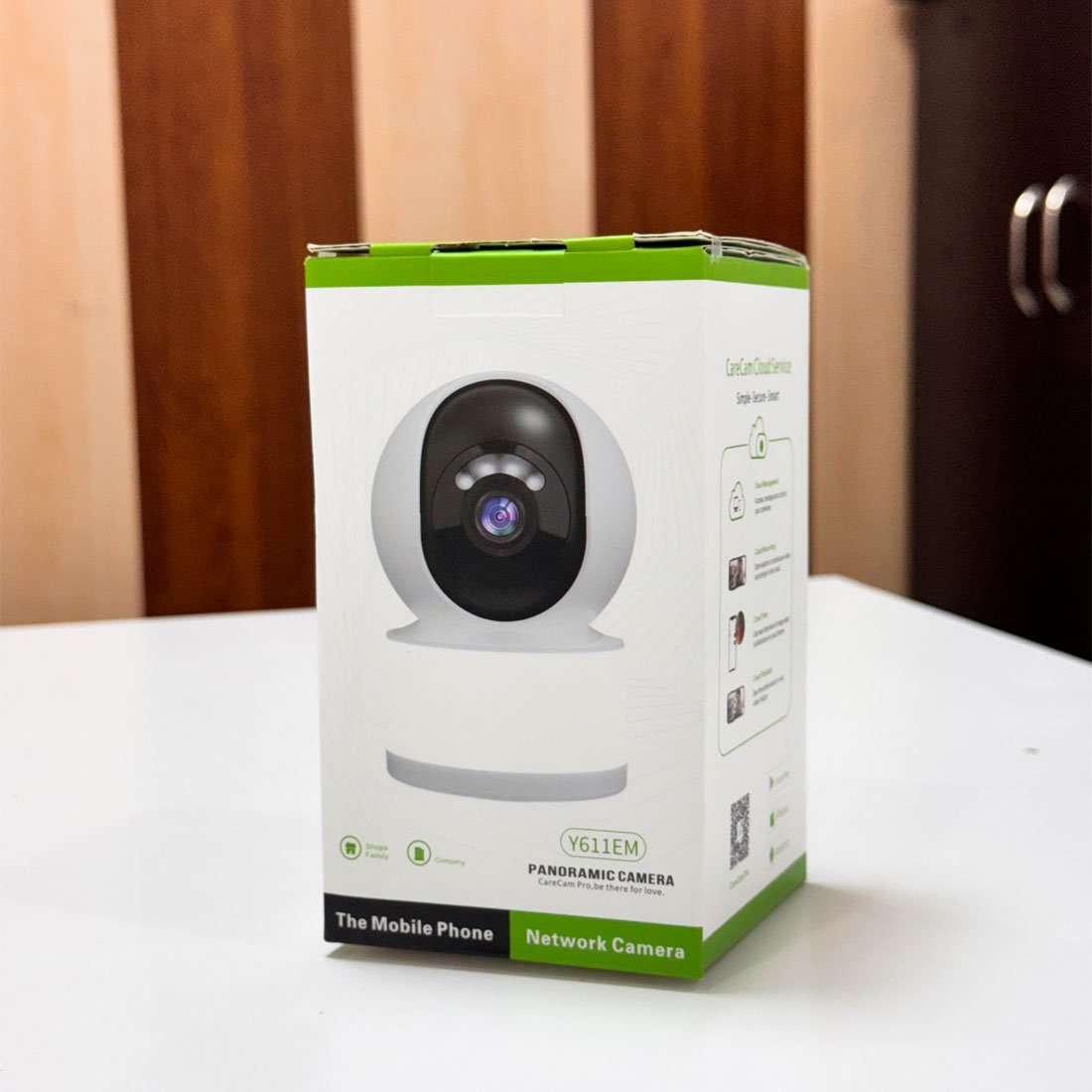 WiFi Camera
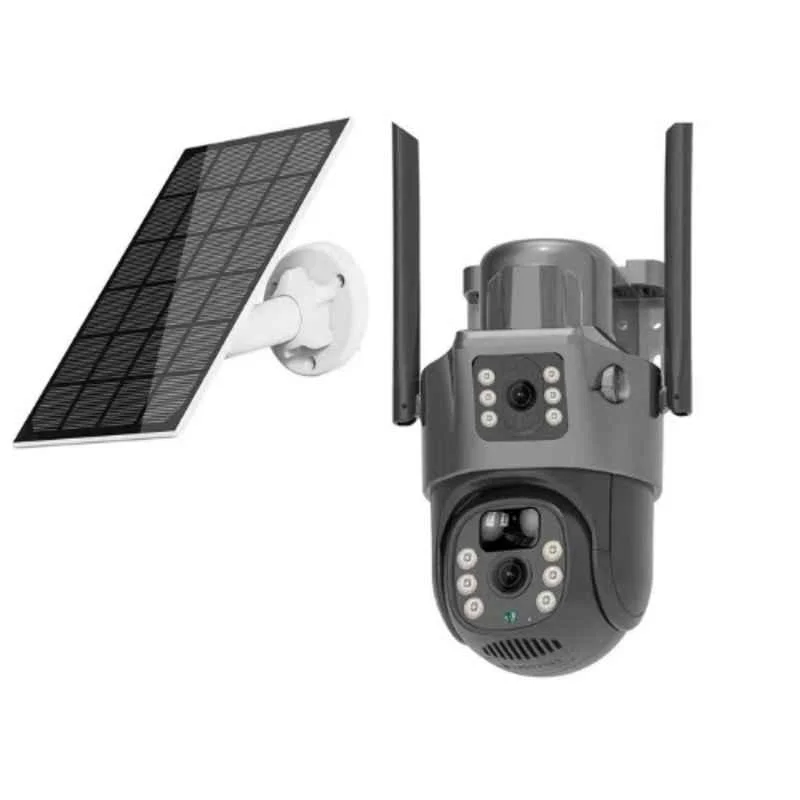 Solar Camera