We ship worldwide…


Top Trends Shaping the Future of the Security Camera Market in 2025

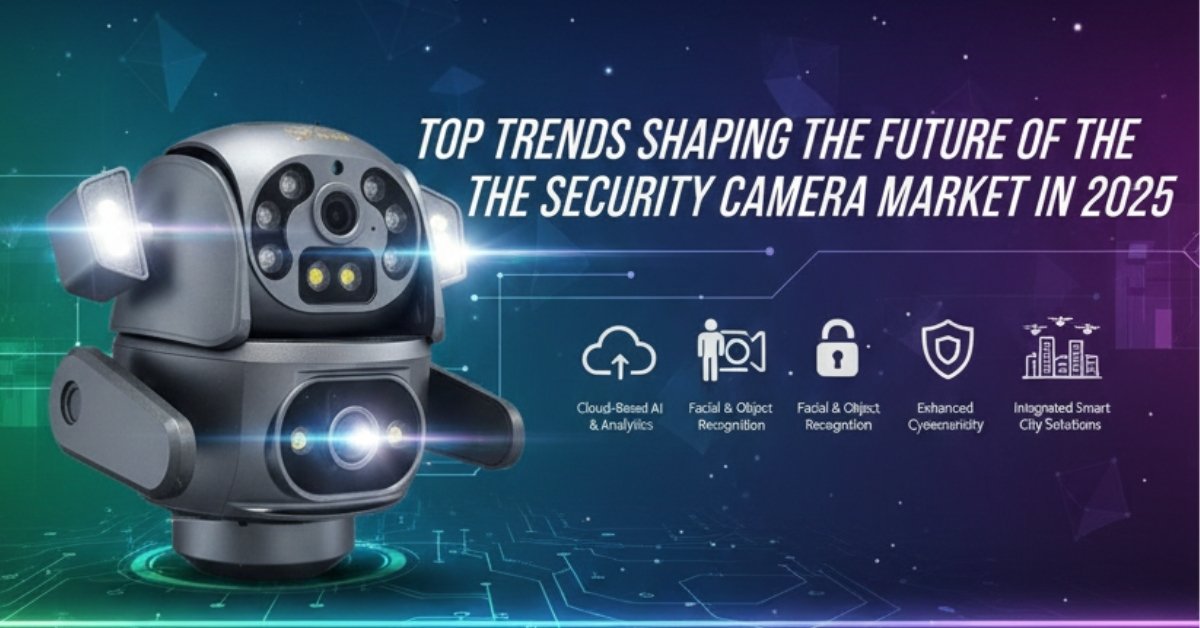
Top Trends Shaping the Future of the Security Camera Market in 2025
The security camera market is undergoing a rapid transformation over the past years and 2025 marks a defining moment in this evolution. Nowadays security cameras are not just passive recorders, they are intelligent, adaptable and capable of analyzing a large amount of data in real time. Security cameras keep evolving with rapid transformation in AI, resolution and smart integration with other devices.
In this blog we will explain top latest technologies that are transforming security cameras in 2025.
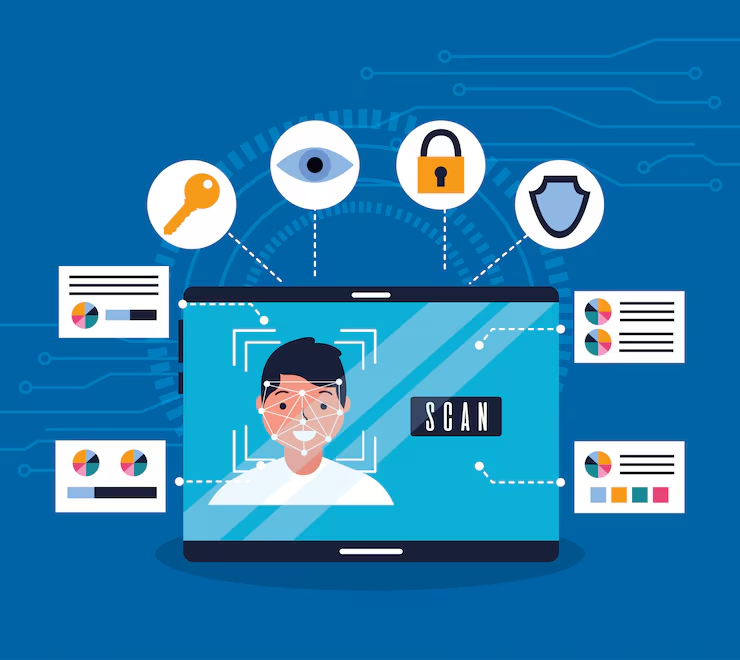
1. AI Powered Behavioral Analysis : Smarter Surveillance
In the past, security cameras recorded video footage that required only manual inspection. All thanks to artificial intelligence, security cameras are equipped with behavioral analysis features that can detect suspicious activity and provide alerts in real time.
- Real Time Analytics : AI enables cameras to analyze video footage instantly. AI systems can now recognize actions rather than simply identifying shapes and objects. The system will automatically send an alert to security personnel if an individual is engaging in an unusual activity.
- Minimized False Alarms : Unlike traditional motion detection, which can be triggered by irrelevant events, AI powered systems use sophisticated algorithms to differentiate between normal behavior and potential threats. This helps minimize the number of false alarms, leading to more effective and focused responses.
- Adaptive Learning : AI driven cameras can “learn” over time. They adapt to patterns of normal activity and become better at identifying deviations, which results in even more accurate threat detection.
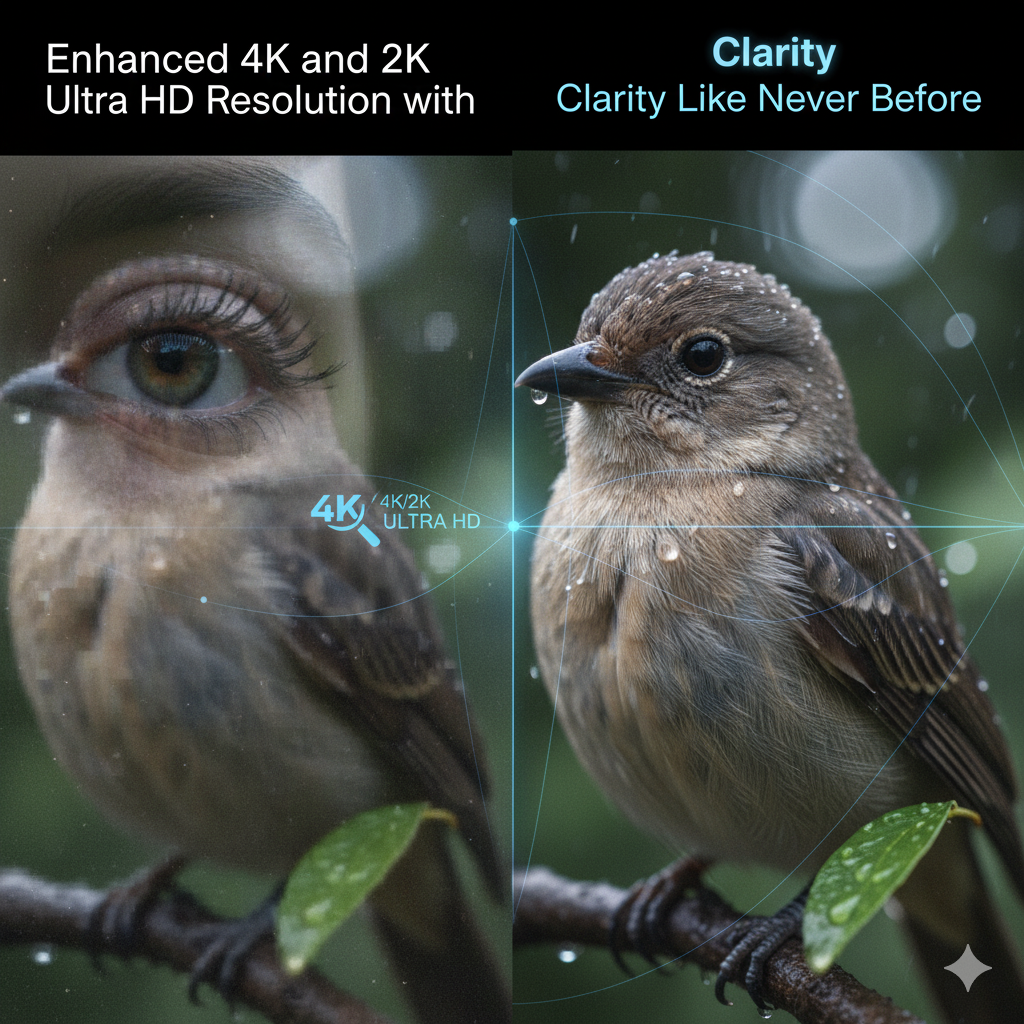
2. Enhanced 4K and 2K Ultra HD Resolution : Clarity Like Never Before
2025 is seeing a rapid shift toward 4K and 2K ultra HD cameras, as demand for higher resolution surveillance keeps growing. These ultra high definition cameras provide amazing clarity and details which is changing the way security footage is captured and analyzed.
- Crystal Clear Imaging : 4K resolution offers four times the pixel density of 1080p which means more detailed images. In practical terms, this means better facial recognition, clearer license plate readings and the ability to identify finer details from a greater distance.
- Zoom Capabilities : Cameras can zoom in without losing image quality with such high resolutions. This is crucial when trying to identify intruders and details that would otherwise be blurry at lower resolutions.
- Improved Coverage : The wide angle lenses paired with high resolution cameras allow for broader coverage, ensuring large areas are covered with fewer cameras.

3. Advanced Night Vision and Color Imaging : Seeing in the Dark
One of the most significant breakthroughs in surveillance technology in 2025 is the ability to see in full color at night. Traditionally, cameras depended on black and white infrared footage to capture images in low light conditions. However, recent innovations have enabled color night vision which is helping security teams detect intruders with more accuracy.
- Full-Color Imaging : With advanced infrared sensors and white light LEDs, cameras can now produce full color images even in the dark. This is useful in identifying individuals and objects that may not be visible with traditional IR cameras.
- Better Detail Capture : Color footage offers far more visual detail than grayscale infrared images. Whether it’s distinguishing clothing patterns or the make and model of a car, color night vision helps to identify potential threats with higher accuracy.
- Adaptive Low-Light Technology : Cameras are now able to automatically adjust to varying light conditions, switching between color and infrared modes seamlessly. This ensures a consistent quality of footage regardless of time of day.
4. Cloud Based Storage and Remote Access : Flexibility and Convenience
The days of storing surveillance footage on local hard drives or DVD systems are gone. Cloud technology has transformed the way data is stored and viewed. Modern security cameras come with cloud storage that allow footage to be updated to secure cloud servers.
- Remote Access : Users of computers, tablets and smartphones can access their video content from any location in the world thanks to cloud storage. Because you can view previous footage and keep an eye on your property in real time from anywhere, this offers unmatched flexibility.
- Scalability : Cloud services can easily scale to accommodate an increasing amount of data. As your surveillance needs grow, you don’t have to worry about running out of storage space or constantly upgrading physical storage systems.
- Enhanced Security : Cloud providers provide strong encryption, ensuring that stored footage is protected from cyber threats.


5. Facial Recognition and Smart Alerts : The Next Level of Identification
Facial recognition technology has become an essential feature in high end security cameras. These cameras are now capable of identifying individuals by comparing the faces captured in the footage to a database of known individuals, offering a new level of security.
- Access Control : In high security areas, facial recognition can replace traditional access cards or keypads, granting or denying access based on the individual’s identity. This is particularly useful in businesses, offices and restricted areas.
- Real Time Alerts : The system immediately sends alerts to security personnel if an unfamiliar or unauthorized individual is detected. This allows for faster responses and increases the likelihood of preventing a potential security breach.
- Smart Monitoring : Integrating facial recognition with other smart features, like AI and behavior analytics, enhances its effectiveness. It can detect when a known individual enters a restricted area or identify individuals associated with past security incidents.
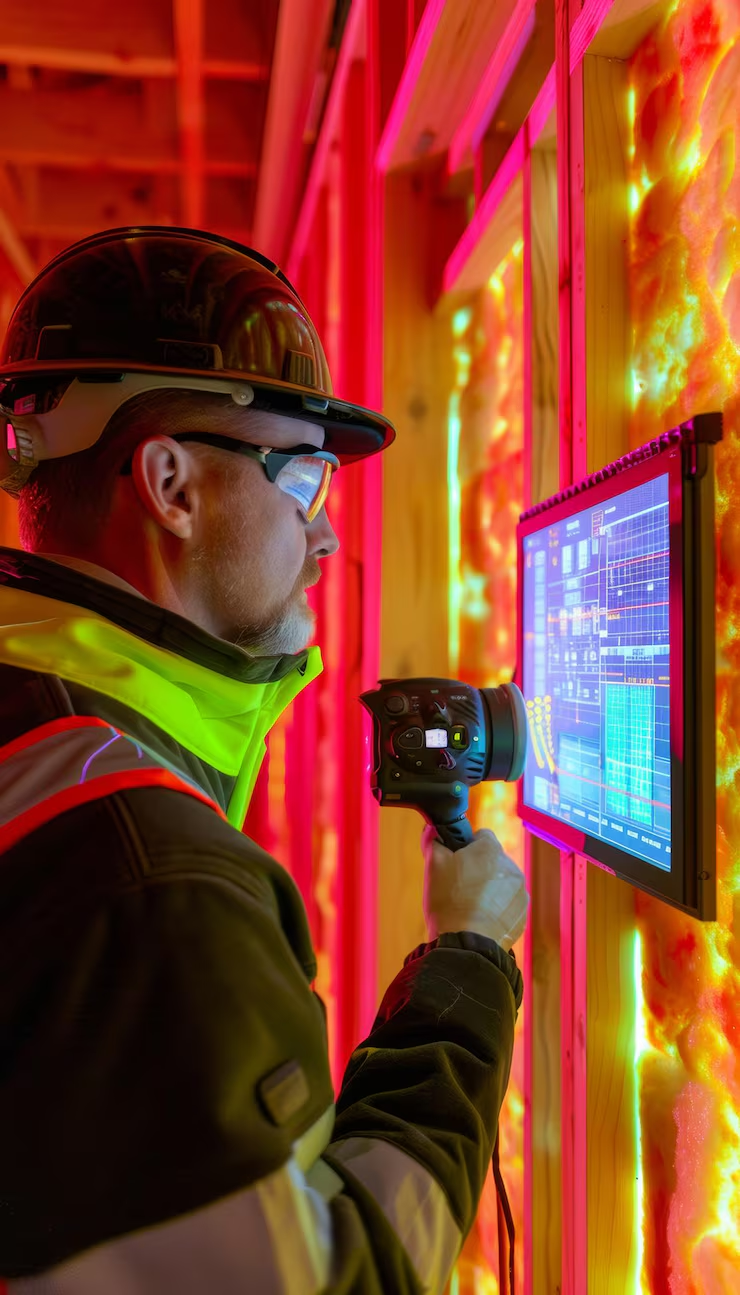
6. Thermal Imaging and Heat Signature Detection
Thermal imaging is another groundbreaking technology being integrated into security cameras. Thermal cameras detect the heat emitted by objects, vehicles and animals, even in complete darkness.
- No Light Required : Unlike regular cameras that require visible light, thermal cameras work entirely based on heat. This makes them ideal for detecting intruders and animals at night, in fog and behind obstacles.
- Early Threat Detection : By identifying a person’s heat signature, thermal cameras can identify hidden threats like someone wandering behind a building. Security teams are able to react faster and more efficiently as a result.
- Versatility : Both indoor and outdoor settings can benefit from thermal imaging. Thermal cameras are useful tools for a variety of security applications, such as protecting a sizable outdoor property or keeping an eye on an industrial facility.
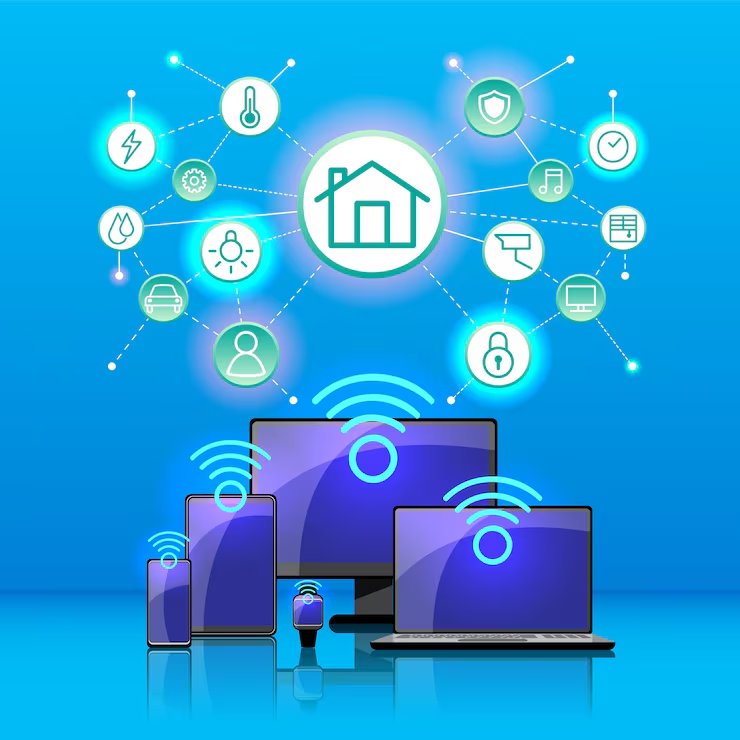
7. Integration with Smart Home Ecosystems : Centralized Control
One of the most important shifts in security technology is the integration of security cameras with smart home ecosystems. In 2025, modern security cameras can be controlled with smart home platforms like Alexa.
- Voice Control : Users can control their security cameras with simple voice commands. For example, asking Alexa to show the front door camera or activate a motion detection alert is now easier than ever.
- Automated Responses : Automated security systems can be created by integrating cameras with other smart devices, like lights, locks and alarms. Lights and an alarm may turn on automatically if a motion sensor is triggered.
- Unified Management : All devices in the smart home ecosystem can be managed from a single app. This makes monitoring multiple security cameras more convenient.
Conclusion
Security camera technologies continue to grow as we move further into 2025. These technologies are improving the intelligence and accuracy of surveillance from AI powered analysis to color night vision and thermal imaging. Modern security cameras are transforming how we think about safety and security with the integration of facial recognition and smart home ecosystems. They offer more innovative solutions to protect our homes and businesses, as technology advances. We can expect even more cutting-edge features to come along. Smarter, proactive security that changes with our world is what security cameras of the future are all about.
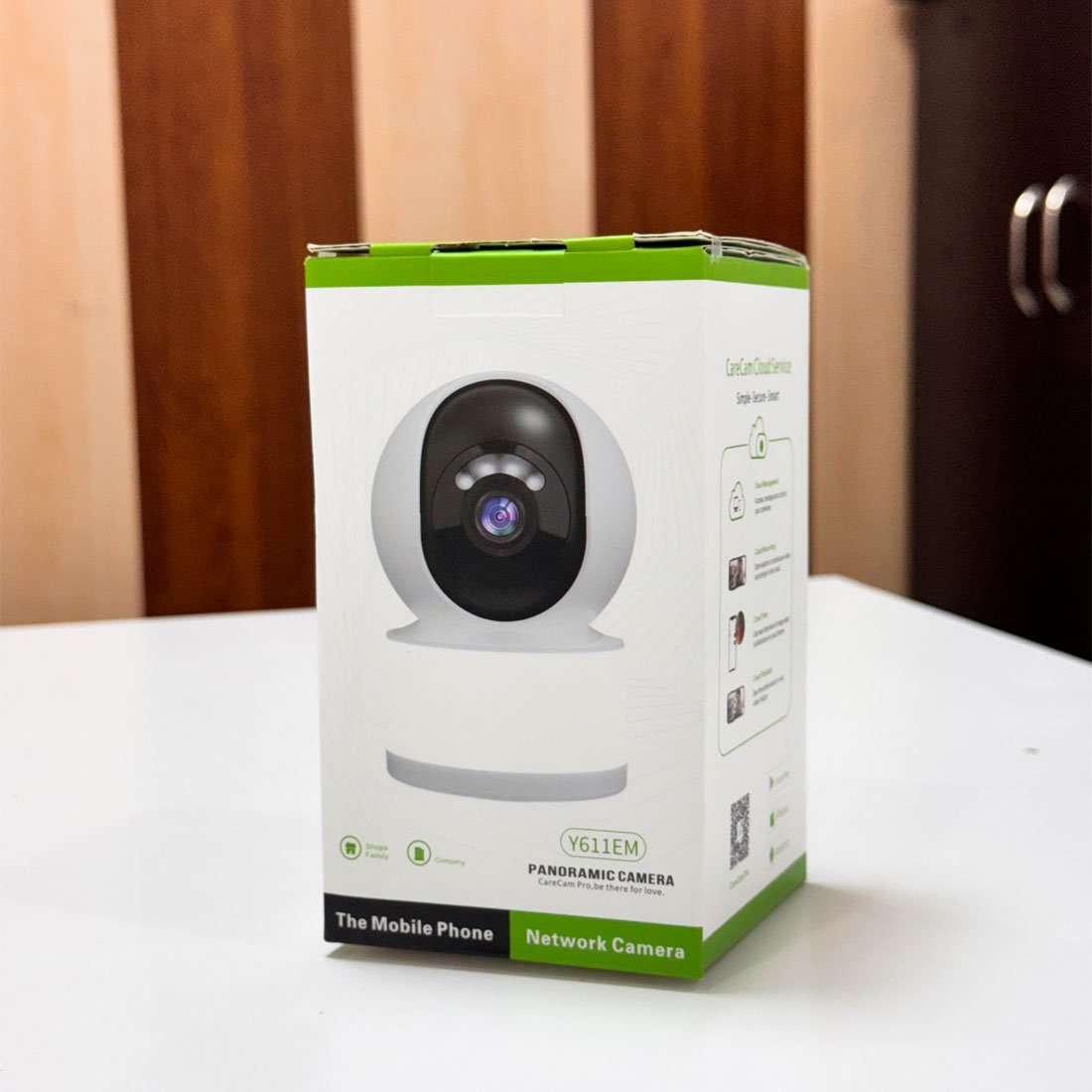 WiFi Camera
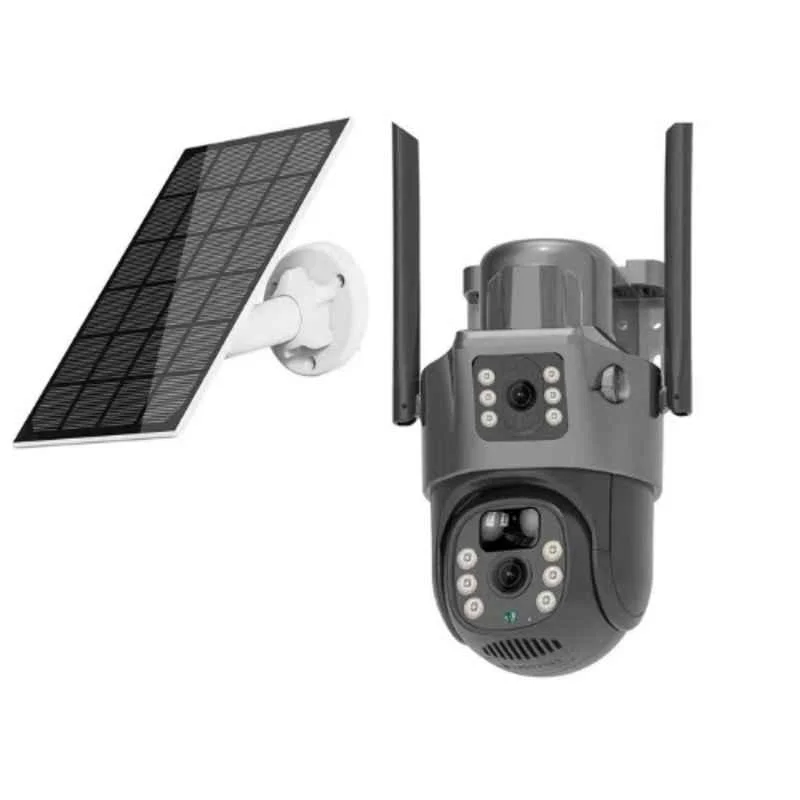 Solar Camera