We ship worldwide…


Smart Door Locks FAQs: Your Complete Guide to Smart Home Security

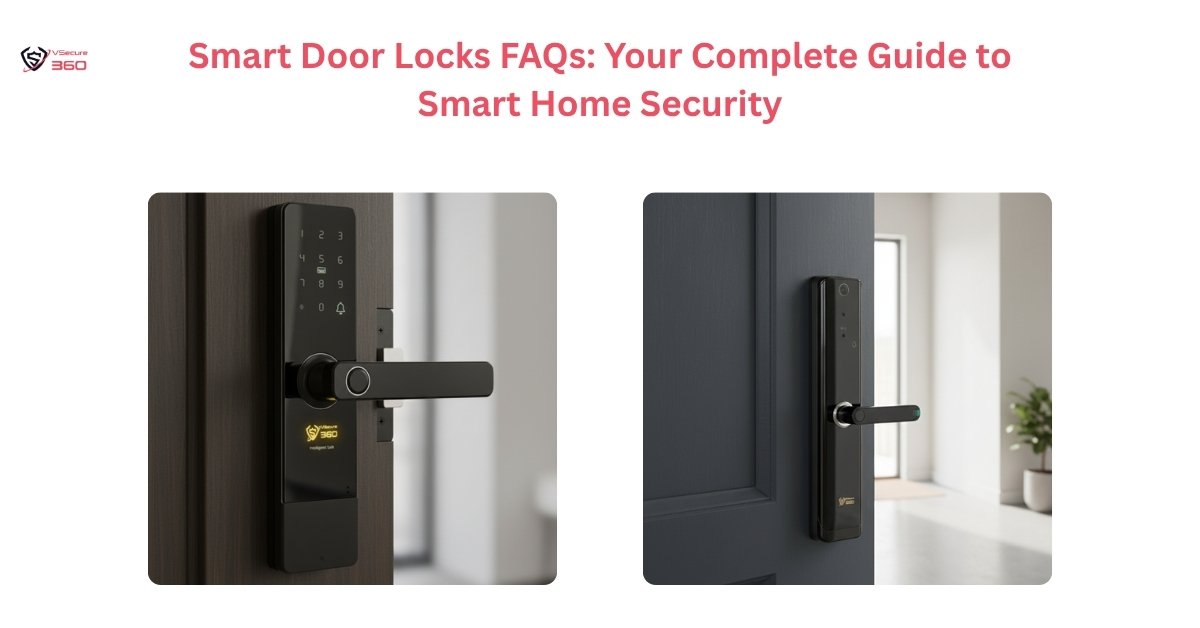
Smart Door Locks FAQs: Your Complete Guide to Smart Home Security
Smart door locks are becoming one of the most advanced innovations for modern homes. They combine advanced security with convenience. But before you invest in a smart lock, it’s natural to have questions.
In this blog we will answer some frequently asked questions to help you understand how smart locks work, their pros and cons and how to pick the right one based on your needs.
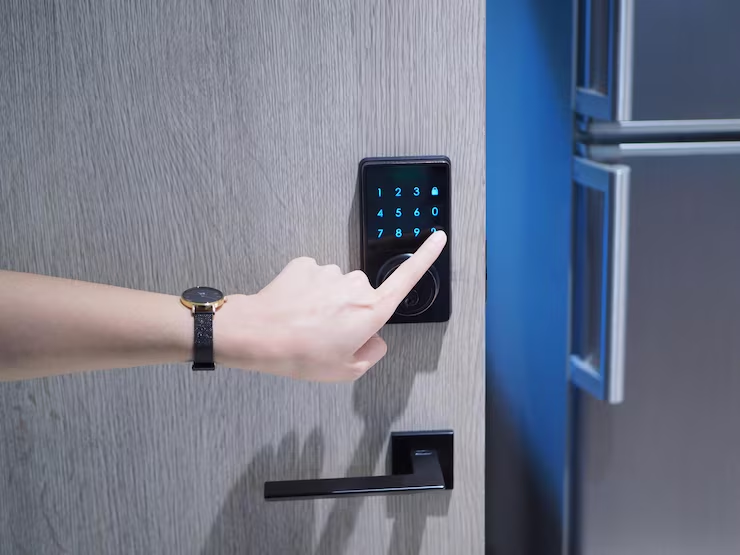
1. What is a smart door lock?
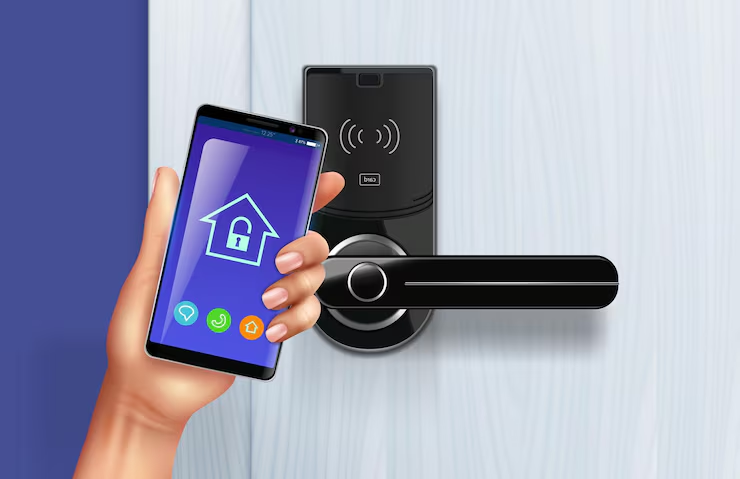
A smart door lock is an electronic lock that replaces a traditional mechanical lock and offers remote, digital and passwordless access methods. They allow access to your office, home and property without a physical key. It uses:
- Biometric methods ( like fingerprint, facial recognition)
- Smartphone apps ( WiFi and cellular data)
- RFID / card
- PIN / keypad
- Smart home assistants ( Alexa, Google)
While some smart locks are intended to completely replace traditional locks, others can be installed to already-existing doors. They come with various features, including remote access, keyless entry, access logs and more.
2. How does a smart door lock system work?
A smart door lock system typically involves three components :
- Hardware : The lock device installed on your door (with motors, sensors, biometrics, keypads, etc.)
- Connectivity : A communication method that links the lock to your smartphone or home network
- Software/App / Cloud Backend : The app or dashboard where you control the lock, generate access codes, view logs, set permissions and monitor status
When you send a command, the signal travels via the chosen wireless protocol to the lock. If authorized, the lock activates its internal mechanism to physically unlock.
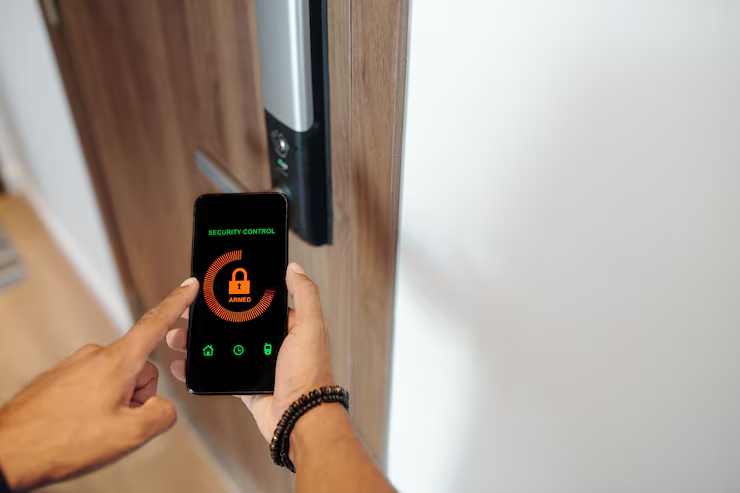
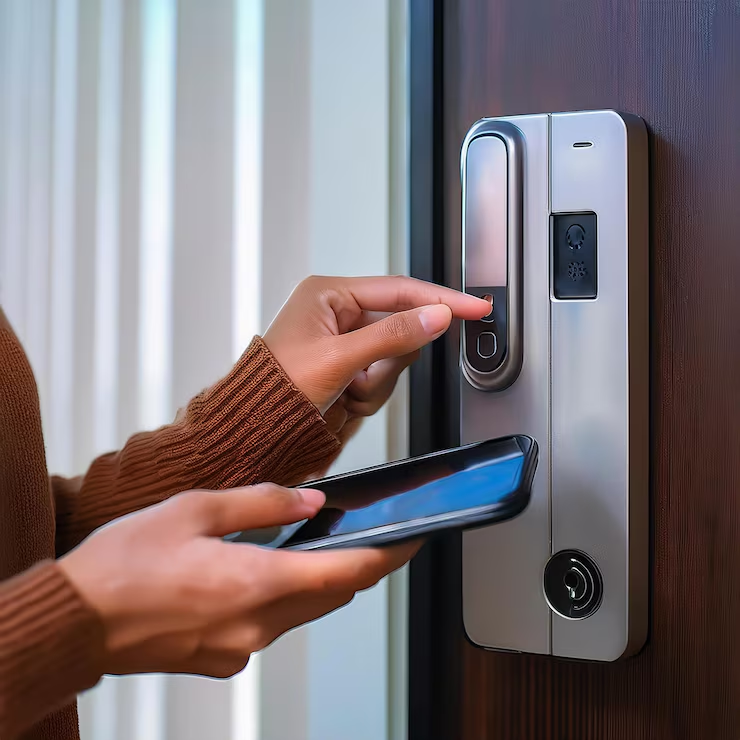
3. Are smart door locks secure?
Yes, when chosen and used properly, smart door locks can be quite secure. Here are the security features you should look for :
- Encryption : Communication between lock and mobile app should be encrypted
- Two factor authentication : Some apps allow an added layer of protection
- Tamper alarms and anti theft features : Alerts if someone tries to hack, force open and tamper with the lock
- Fail safe mechanical override : A hidden mechanical key override for emergencies
- Firmware updates : Regular updates to fix vulnerabilities
- Access logs & audit trails : You should be able to see who unlocked when
However, no lock is 100% hack proof. A weak password, outdated firmware and insecure network can become the weak link. So beyond buying a solid lock, you must maintain good digital hygiene.
4. Can smart locks be hacked?
While the possibility exists (as with all connected devices), well designed smart locks include security measures to reduce risk. Common vulnerabilities in any IoT device include :
- Using default or weak passwords
- Unpatched firmware
- Unsecured local network (open WiFi)
To minimize hacking risk :
- Change default credentials immediately
- Enable updates and install patches
- Prefer locks with good security certifications

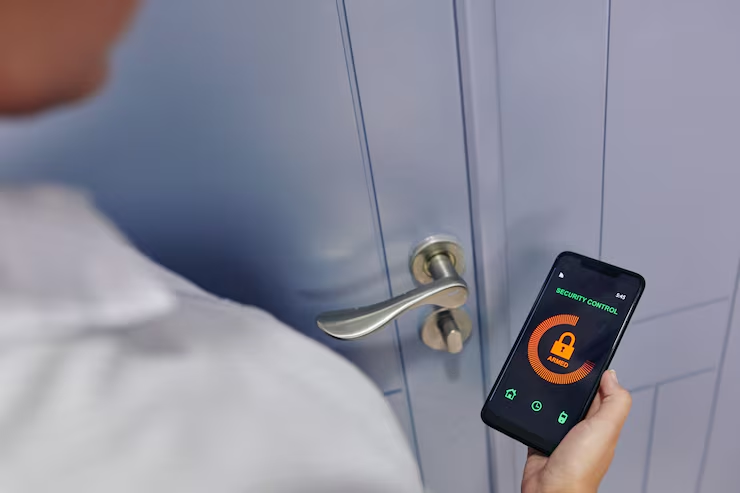
5. What happens when the power goes out?
Because smart door locks depend on power or batteries, there must be a fallback. Typical backup methods include :
- Removable or rechargeable batteries ( lithium cells)
- Low battery alerts (you get warning when battery gets low)
- Backup power contacts ( external USB input)
- Mechanical key override (a hidden key slot)
So even during a power cutoff, you can still open the door manually or via backup.
6. What is the typical lifespan of a smart door lock?
Lifespan depends on quality, usage frequency, environment and maintenance. A well made smart lock from a reputable brand can last 5 to 10 years with proper upkeep. On the other hand cheaper models can degrade faster.
7. Can I unlock the door without my smartphone?
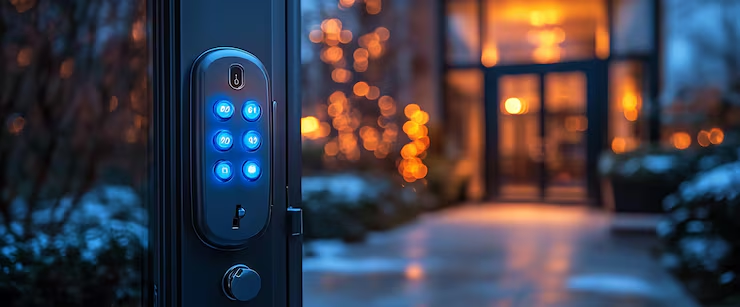
Yes — in fact, one of the selling points of good smart locks is multiple access methods. Besides app-based unlocking, they may support:
- Fingerprint / biometrics
- PIN / keypad codes
- RFID / smart cards
- Mechanical key override
- Remote unlocking by another authorized user
This redundancy ensures you’re not locked out if your phone fails.
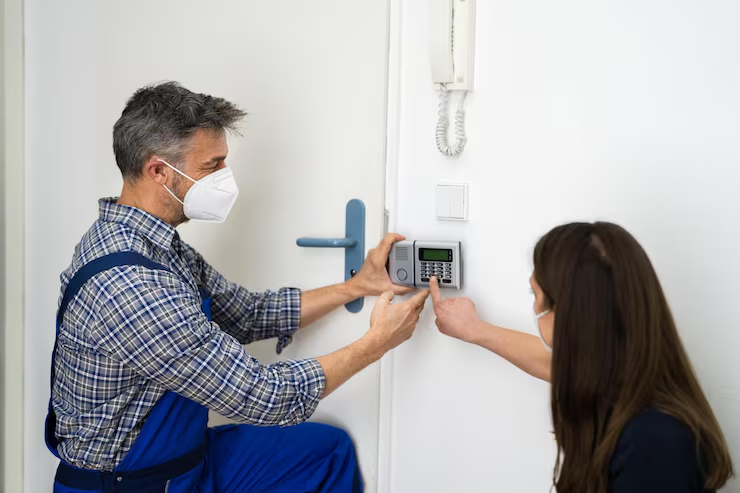
8. Do smart locks require professional installation?
Many smart locks are designed for DIY installation, especially if replacing standard deadbolts or mortise locks. They come with step by step guides and require basic tools. However, in certain cases, you may prefer professional help:
- Complex door frames or nonstandard dimensions
- Integration with existing home security systems
- Electrical wiring or smart home network setups
- Multi-factor installations in large buildings
If you’re in India and compare the best smart door locks in India, look also at ease of installation, since you may not always have a professional installer in your area.
9. Are smart locks compatible with existing doors?
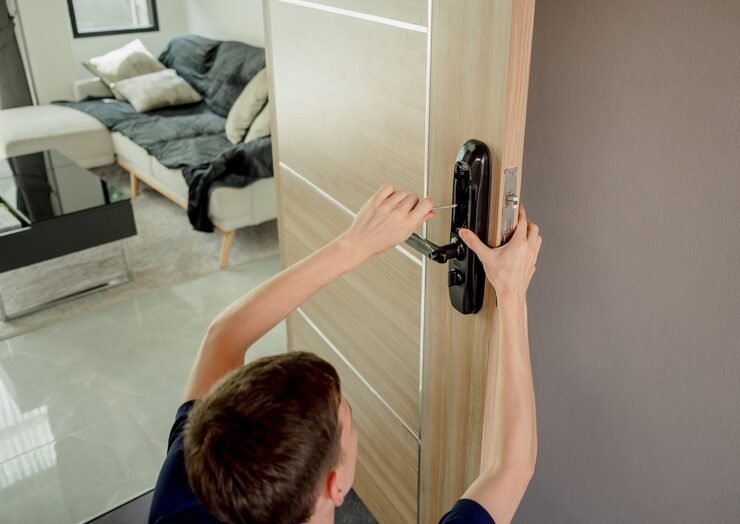
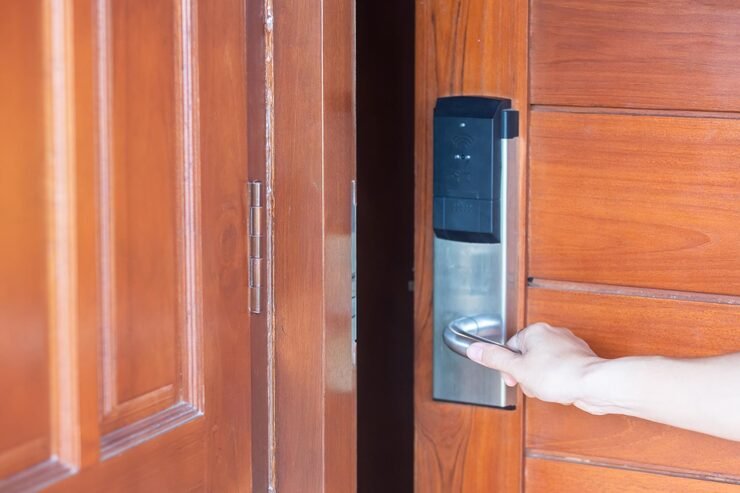
Yes. Most smart locks are designed to fit standard door thicknesses . Before purchasing, check :
- Door thickness
- Backset and borehole size
- Whether your door is left or right handed
- Material (wood, metal, glass) and if modifications are needed
Some smart lock systems are modular, meaning you can retrofit or adapt existing hardware. But always verify compatibility before buying.
10. Can smart locks be controlled remotely?
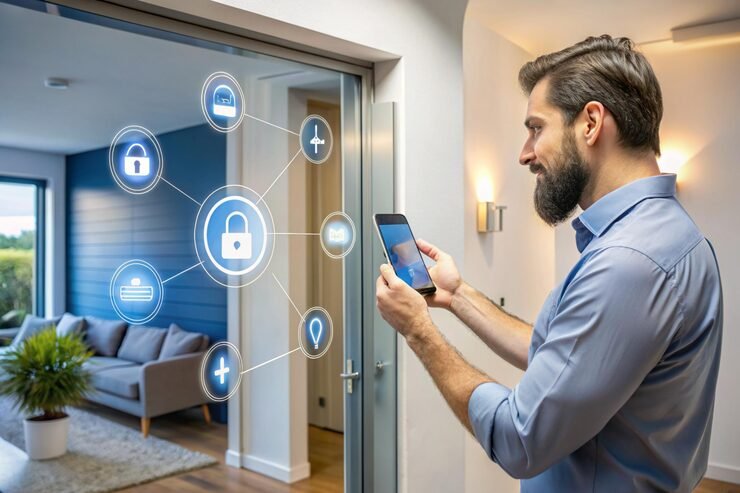
Yes, the remote control feature is a major advantage. Through a smartphone app (and the internet), many smart locks allow you to :
- Lock/unlock from anywhere
- Share temporary access codes with guests
- View activity logs (who entered and when)
- Receive alerts (door left open, tampering)
However, remote control requires that the lock connect to Wi-Fi. Locks that only use Bluetooth typically work only within Bluetooth range.
11. Are smart door locks weatherproof / durable?
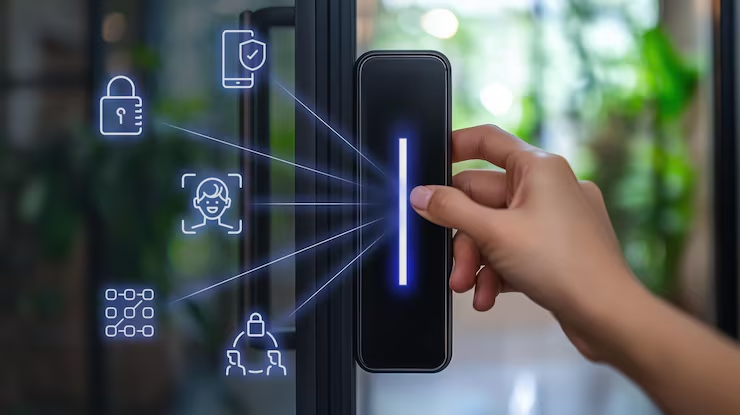
Durability matters, because many locks are installed outdoors and in semi-exposed areas. Good smart locks often include :
- IP rated protection (IP65, IP66)
- Resistance to dust, water spray and temperature extremes
- Corrosion resistant materials (stainless steel, zinc alloy)
- Protection for electronic circuits
Before buying, check the IP rating and materials. In Indian climates, weather resistance is critical.
12. Can smart locks be installed in rental properties?
Yes, with some caveats :
- Always get permission from the owner
- Choose locks that are easy to remove
- Use locks that don’t require permanent modifications
- Upon vacating, you may revert to the original lock
As many smart lock systems are flexible, they can be used on both owned and rented properties.
13. What things should I check before buying a smart lock?
Here’s a quick checklist :
- Door compatibility (thickness, handing, type)
- Access methods (which ones you want)
- Remote connectivity (does it support WiFi or need a hub)
- Security features (encryption, tamper alerts and audit logs)
- Backup options (mechanical key, battery backup and external power)
- Durability / weatherproof rating
- Brand reputation, service & support
- Firmware / update support
- Price vs total value
14. Are smart locks worth it?
Smart locks offer :
- Convenience
- Better control over access
- Potential for improved security
But they also come with trade-offs :
- Higher initial cost
- Dependency on electronics and power
- Need for firmware updates and security maintenance
Smart locks are frequently worthwhile if you value increased control, flexibility and convenience. Simply pick a trustworthy smart door lock system and maintain it.
Conclusion
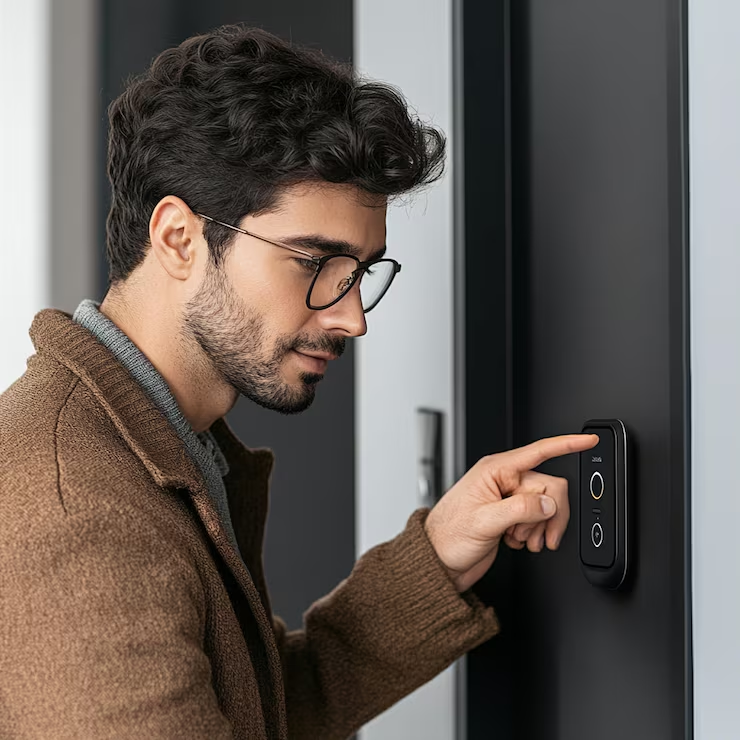
Smart door locks are not a one size fits all solution. But when chosen carefully, among the best smart door locks in India, they can enhance your home security and convenience. Prioritize strong security features, compatibility, durability and vendor support. Use this FAQ as your starting point and you will be well equipped to make a smart choice.
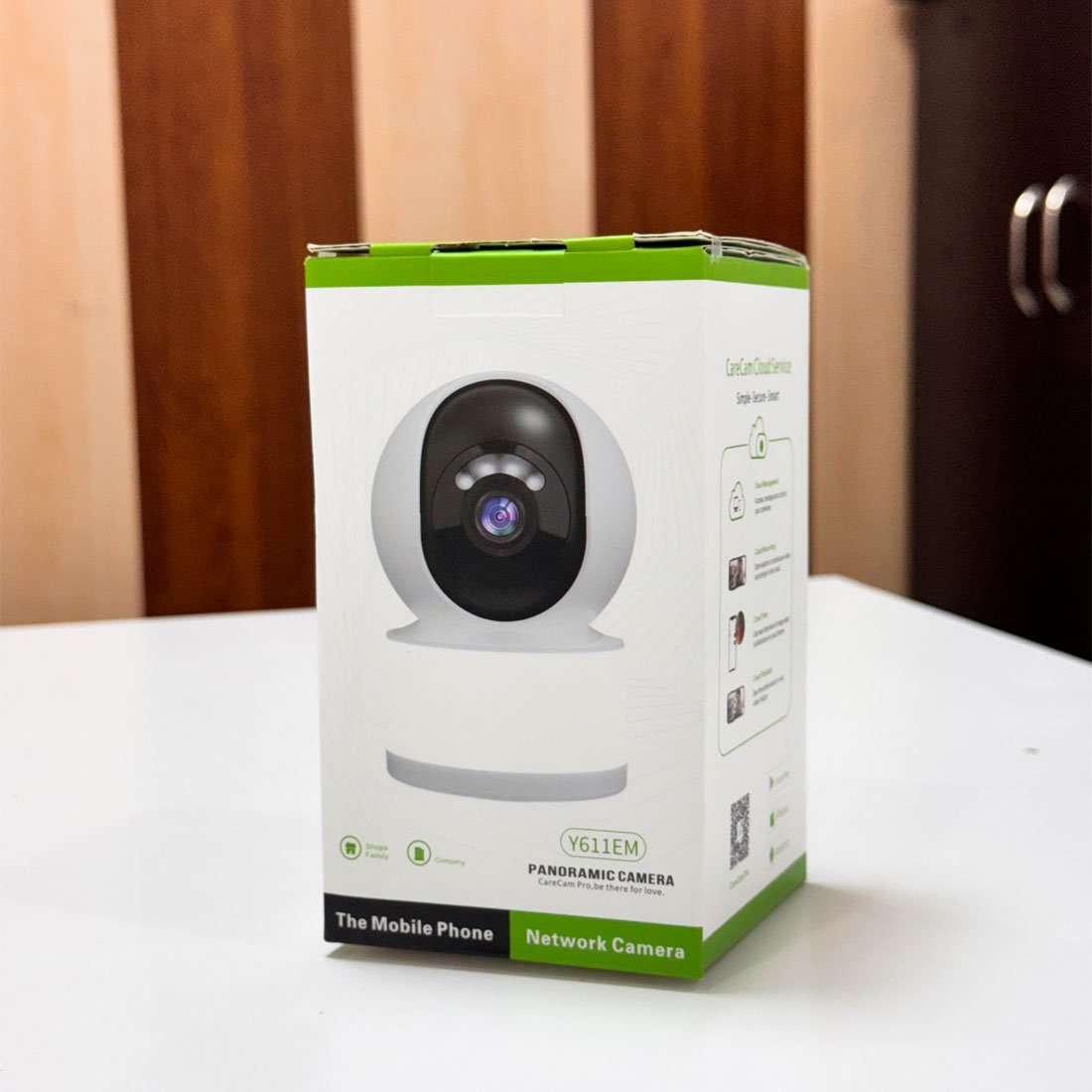 WiFi Camera
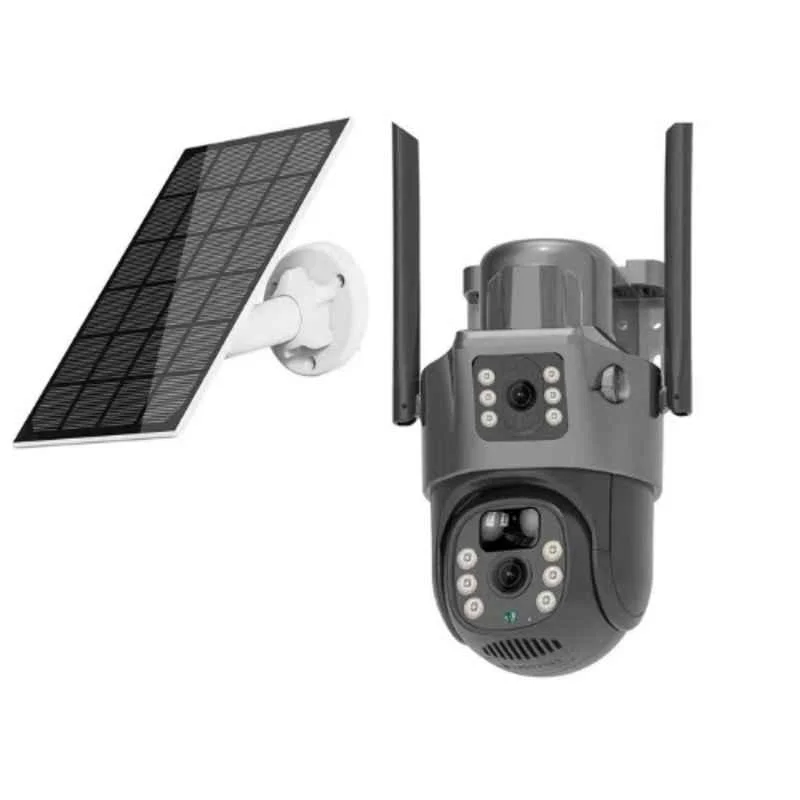 Solar Camera