We ship worldwide…


The Benefits of Solar Powered Cameras for Remote Locations

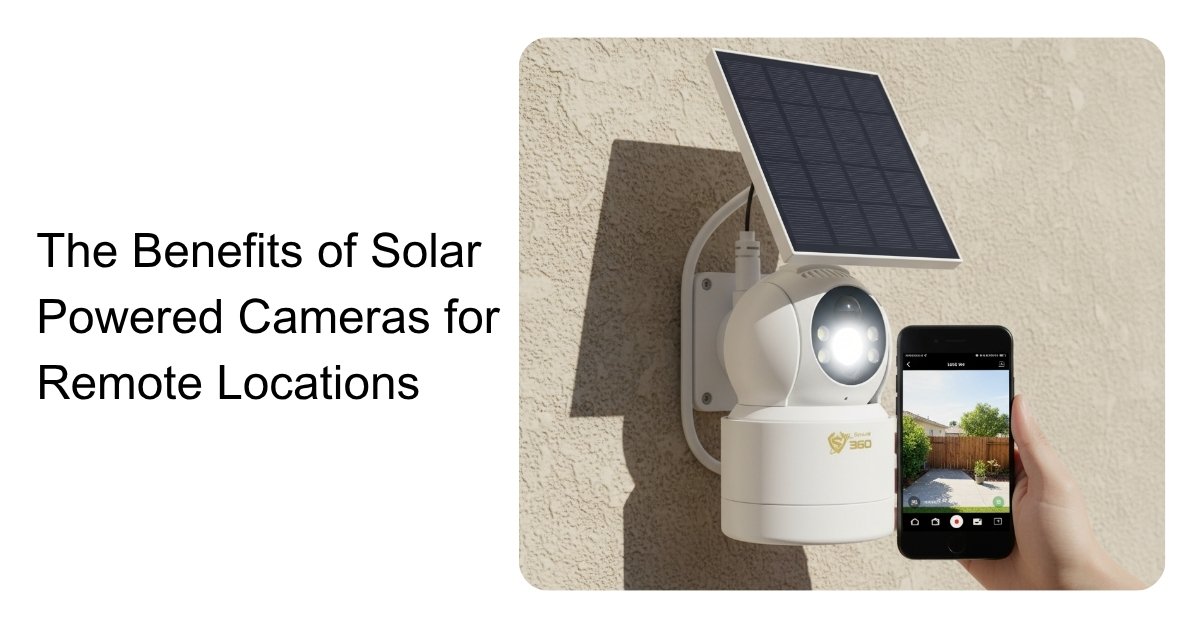
The Benefits of Solar Powered Cameras for Remote Locations
Security is no longer something that only cities and businesses need. Today, even farms, highways and remote villages require protection. But in many of these places, there’s no power grid and stable internet connection which makes it hard to set up traditional CCTV cameras.
This is where solar powered camera systems are transforming the landscape. They combine clean energy with cutting edge technology to deliver reliable, round the clock monitoring, anywhere under the sun.
In this blog we will explore how these systems work, their powerful advantage and why they’re quickly becoming the preferred choice for remote area security.
What Makes Solar Cameras Different ?
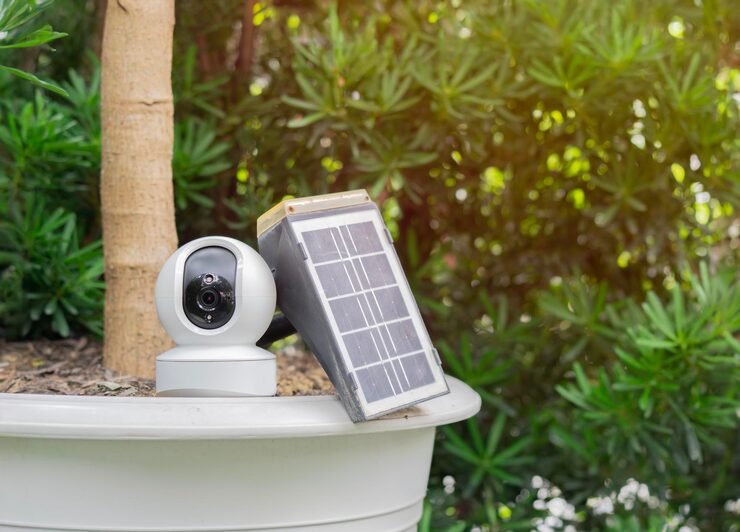
Unlike traditional CCTV systems that rely on electrical wiring and local power supply, solar powered cameras operate independently using sunlight.
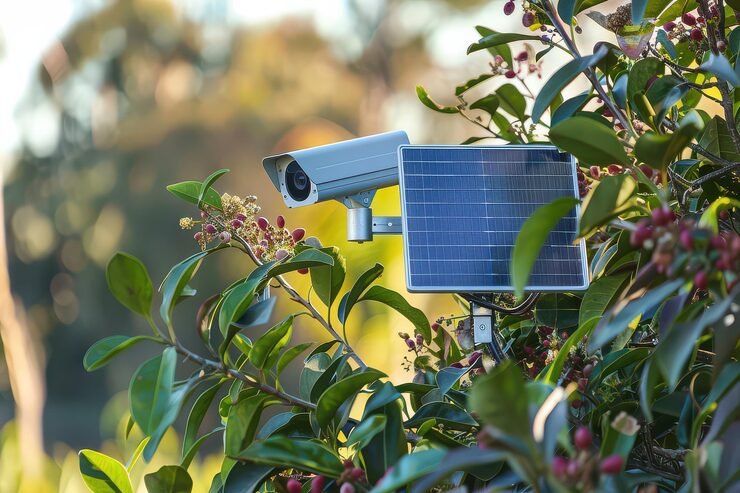
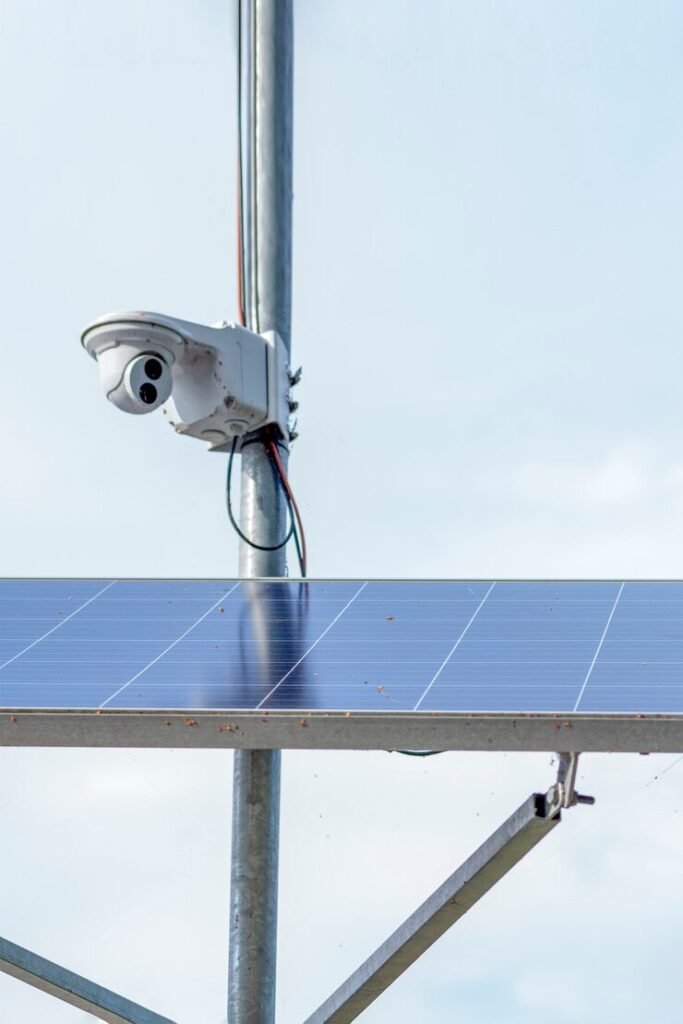
A typical solar Camera setup includes :
- High definition and wireless cameras
- Solar panels to generate electricity
- Batteries for nighttime power
- Wireless or mobile modules for data transmission
These systems are completely self sufficient. Through solar panels, they collect sunlight, store energy in batteries and use that energy to power cameras and send data to cloud computing platforms. Solar cameras provide uninterrupted security whether you’re working on a temporary site or miles away from the closest power pole.
Why Remote Locations Need Solar Surveillance
Remote environments have several challenges that make conventional CCTV setups impractical and expensive.
Power lines may not reach isolated areas, weather can disrupt electricity and the cost of cables across is high. Additionally, many rural or industrial zones suffer from unstable internet connections.
Solar systems solve these problems with :
- Energy independence : no need for local electricity
- Wireless communication : 4G/5G or satellite connectivity
- Quick deployment : no cabling or heavy infrastructure required
Key Benefits of Solar Powered Cameras
Sustainable Power, Sustainable Security:
The best advantage of solar cameras is its sustainability. These systems eliminate the need for fossil fuel electricity as they are powered by solar energy.
They’re eco friendly, silent and produce zero carbon emissions. They align perfectly with modern sustainability goals and ESG standards. Many organizations now adopt solar camera solutions not only to protect assets but also to demonstrate commitment to green, responsible operations.
Cost Savings That Add Up Over Time:
While the upfront investment in solar equipment can be higher than a standard system, the long term savings are substantial. Once installed, there are no monthly power bills and minimal maintenance expenses.
With grid-based cameras, you often pay for :
- Electrical installation and cabling
- Power consumption
- Maintenance and repairs due to voltage issues
Simple Installation and Maximum Flexibility:
Traditional CCTV systems often need major groundwork, digging, cabling and connection to the grid. However solar cameras can be installed quickly with minimal effort. They’re perfect for :
- Temporary construction or event sites
- Remote exploration or survey projects
- Rural locations
Around the Clock Monitoring Without Interruption:
Solar powered cameras are designed to run all day even when the sun isn’t shining. High capacity batteries ensure continuous operation by storing energy during the day and releasing it at night.
Advanced features like :
- Infrared night vision
- Motion detection
- AI based alerts
- Cloud-based remote access

Eco Smart Technology with Modern Connectivity
Modern solar cameras are far more than standalone units. They integrate seamlessly with smart technologies such as :
- Cloud storage platforms
- AI driven analytics
- Real time alerts via mobile apps
- Remote pan tilt zoom controls
Wireless modules allow live video streaming and event notifications from anywhere. This connectivity transforms isolated areas into fully monitored, data driven security zones without needing physical network infrastructure.
Rugged, Reliable and Built for the Outdoors
Remote locations have harsh weather, blazing sun, heavy rain and dust storms. Solar cameras are built to handle it all.
These cameras are typically IP66 rated which offer protection against water, dust and extreme temperatures. Solar panels and batteries are also optimized for durability and long term outdoor performance.
These systems deliver consistent reliability even in the toughest environments with minimal maintenance and battery checks.
Real World Applications of Solar Cameras
Solar surveillance systems have found applications across numerous sectors and industries.
Agriculture and Farming :
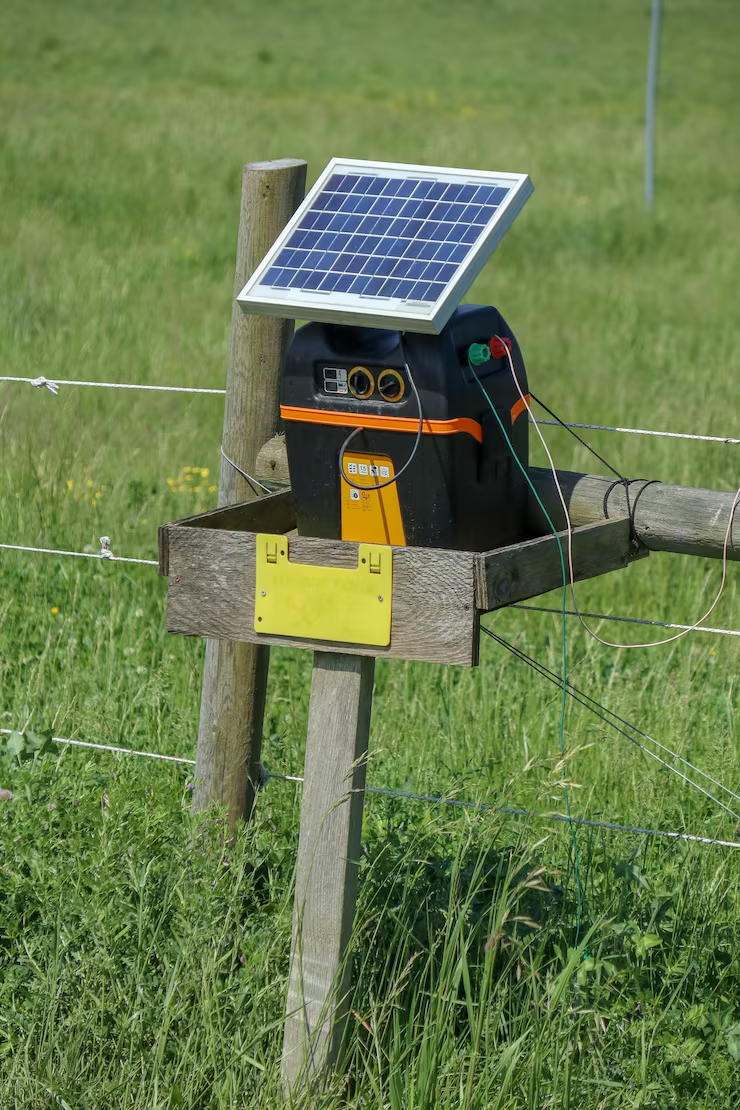
Farmers use solar cameras to protect crops and oversee irrigation systems. Real time alerts prevent trespassing and help manage large areas efficiently.
Construction and Mining :
Temporary worksites benefit from quick setup cameras that safeguard equipment, ensure worker safety and record on-site activities. They can easily be moved as projects progress.
Border and Perimeter Security :
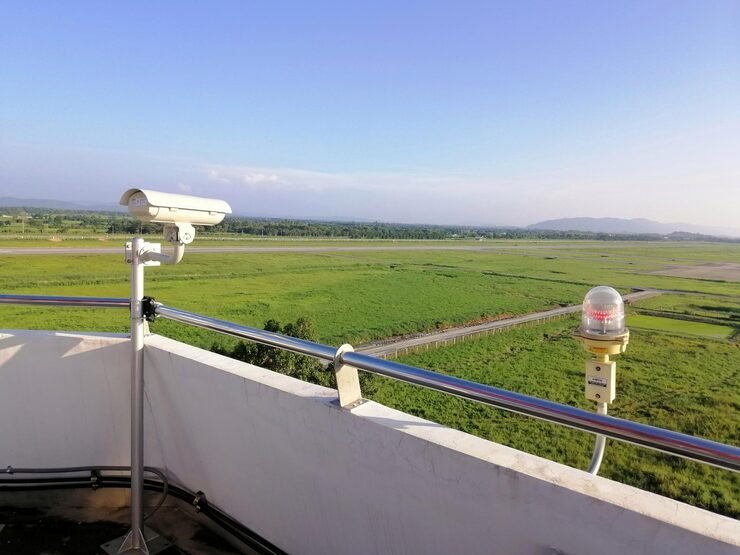
For national borders, oil pipelines and large industrial perimeters, solar cameras provide continuous surveillance where power and connectivity are limited.
Traffic and Highway Monitoring :
In remote highways and mountain passes, solar units track traffic flow, detect accidents and send live updates to control centers.
Disaster and Emergency Operations :
After hurricanes, floods and wildfires, solar cameras help authorities monitor affected zones where the grid is down.
Tourism and Eco Resorts :
Nature lodges and remote resorts use these systems to ensure guest safety without harming the environment or disrupting wildlife.
The Economic and Environmental Impact
Solar systems are not just a technical innovation, they’re an economic and ecological game changer.
Economic Efficiency :
No recurring electricity bills, minimal maintenance and flexible scalability lead to significant cost reduction over time.
Environmental Stewardship :
By using renewable energy, these systems contribute to lower carbon footprints and align with green certification programs.
Community Empowerment :
In developing and rural regions, access to reliable security infrastructure encourages business investment, improves safety and fosters social development.

How to Choose the Right Solar Powered Cameras
Selecting the ideal solar camera setup depends on location, purpose, and environmental factors. Here are some essentials to consider :
- Power and battery capacity : Should sustain operation for at least 3 to 5 days without sunlight.
- Video resolution : Opt for HD or 4K cameras for clear image quality.
- Connectivity : Determine whether 4G, 5G and satellite communication is most practical.
- Weather resistance : Look for IP rated outdoor enclosures.
- Storage and access : Choose systems supporting cloud storage or remote app integration.
- Smart features : AI analytics, motion detection and real time alerts add significant value.
Consulting with a professional installer ensures your system is properly sized and optimized for your location’s sunlight and security requirements.
The Future of Solar Powered Surveillance
As energy and AI technologies advance, solar cameras will only get smarter, smaller, and more efficient. Future models are expected to include predictive analytics, energy sharing capabilities between cameras and integration with smart city and environmental monitoring networks.
Solar cameras are the future of sustainable security. It combines intelligent monitoring, renewable energy and environmental responsibility in a way that benefits people and the environment both.
Final Thoughts
The world is moving toward sustainability and security systems are no exception. In areas where traditional cameras can’t reach the solar powered cameras deliver reliability, flexibility and efficiency. These systems ensure that even the most remote locations remain connected and protected without harming the environment and breaking the budget.
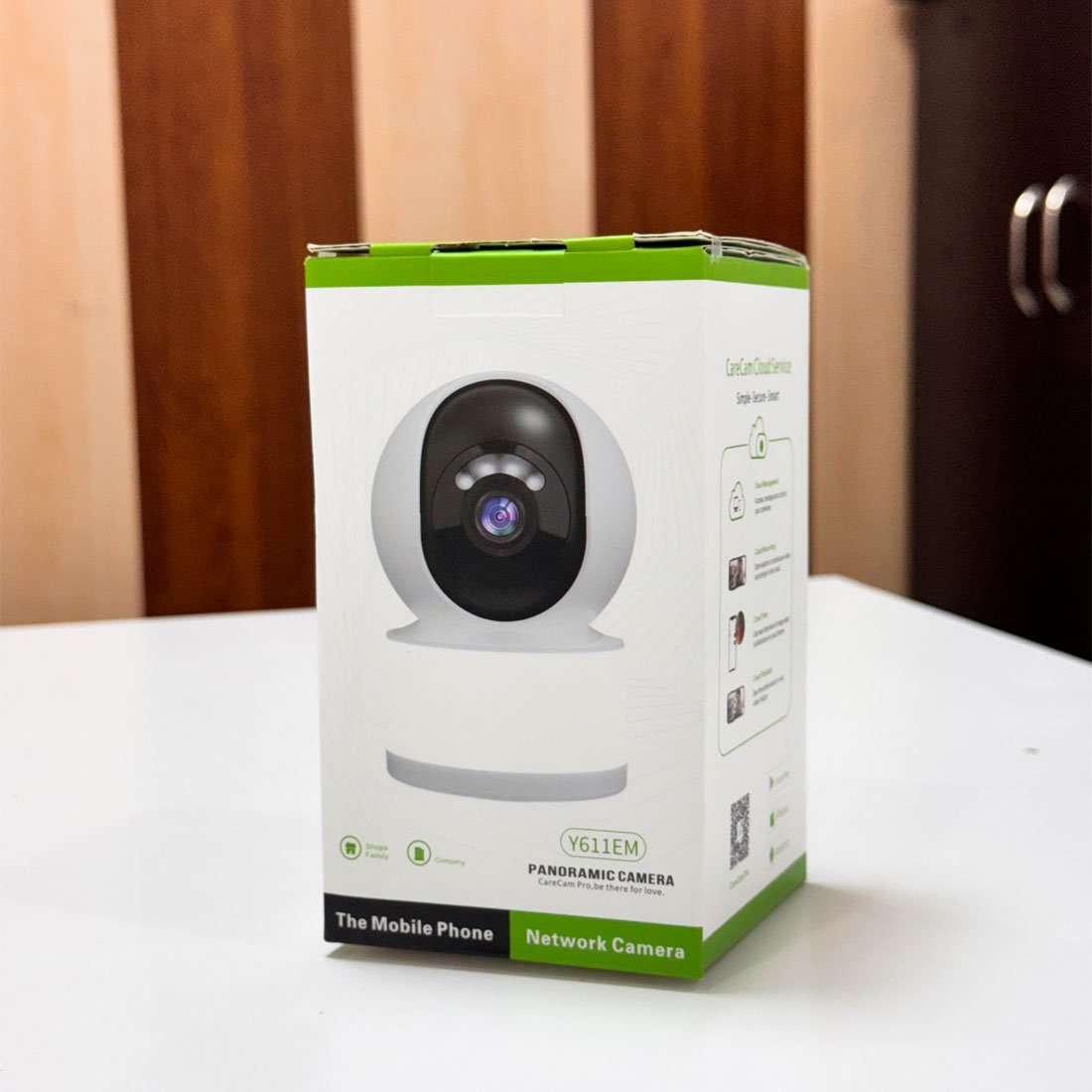 WiFi Camera
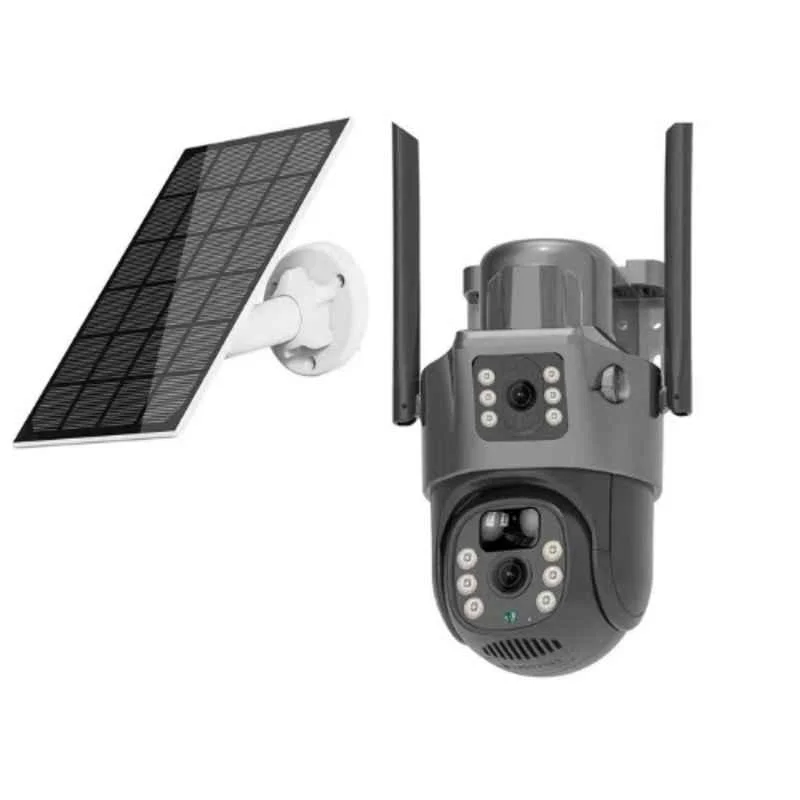 Solar Camera