We ship worldwide…


Fingerprints and Trust: How Biometric Attendance Builds Accuracy and Trust at Workplace

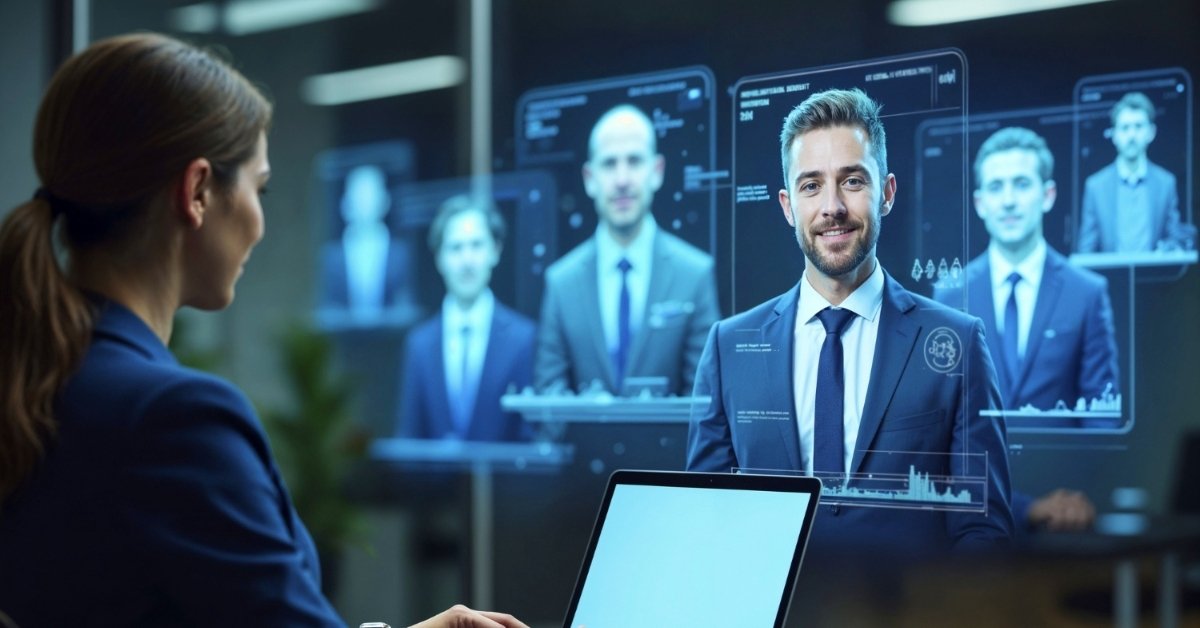
Fingerprints and Trust: How Biometric Attendance Builds Accuracy and Trust at Workplace
In today’s fast moving world, accuracy and accountability matter more than ever especially when it comes to tracking employee attendance. Being on time affects salaries, work performance, legal rules, and team planning. Old methods like paper registers or swipe cards are slowly being replaced by smarter systems. One of the most trusted options? Fingerprint based attendance systems.
But why use fingerprints? And how does scanning a finger help build trust in the workplace? In this blog let’s explore how this technology improves attendance tracking and builds a fair, honest work culture.
Why Attendance Tracking Is Important
Before we get into fingerprint systems, let’s first understand why companies track attendance.
Businesses need to know:
- Who came to work
- When they came and left
- How many hours they worked
This information helps:
- Calculate pay correctly
- Approve overtime
- Follow labor laws
- Review employee performance
- Plan team schedules
Wrong data can cause overpayment, confusion, employee complaints, or even legal problems. That’s why accuracy is so important.
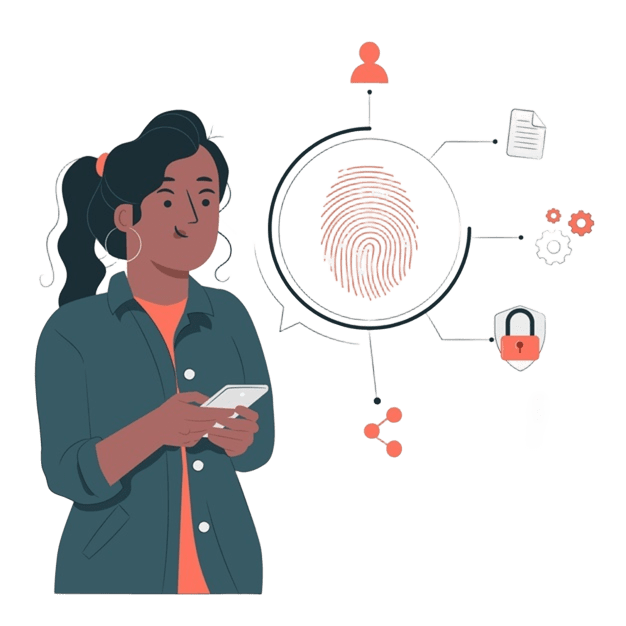
From Paper Logs to Fingerprints: A Quick History
In the past, companies used manual methods like sign in sheets or time cards. These were easy to misuse. For example, an employee could mark attendance for a coworker, this is called “buddy punching.” Later, swipe cards became common, but even those had problems. Cards could be shared or lost.
Fingerprint scanners solved many of these issues. They track the person, not a card.
How Fingerprint Attendance Systems Work
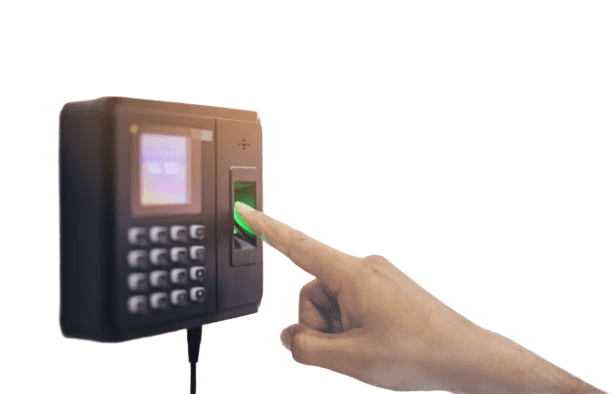
Fingerprint attendance management systems scan and record the patterns on a person’s finger. Here is how it works:
- Registration: To register in the system, an employee scans their finger. A secure digital copy of the fingerprint is saved by the system.
- Daily Use: The employee places the same finger on the scanner to check in or out.
- Verification: The system matches the scan with the stored template and records the time.
This all takes just a few seconds.
Fingerprint Scanning Means Trustworthy Data
Each person has a unique fingerprint. Even identical twins have different fingerprints. This makes fingerprint systems very secure and helps protect the accuracy of attendance data.
Here’s how fingerprint systems support data accuracy:
-
1. No More Buddy Punching
Only the actual person can check in with their fingerprint. It stops others from recording their attendance.
-
2. Records That Can’t Be Changed
The system keeps detailed records with time and verification. You can’t change or delete them without leaving a trace.
-
3. Live Monitoring
Managers can see real-time reports. They can track late entries, early exits, or missed check-ins. This encourages employees to follow rules.
-
4. Cloud Backup and Security
Many modern systems store data in the cloud. This protects it from being lost and allows access anytime from anywhere.
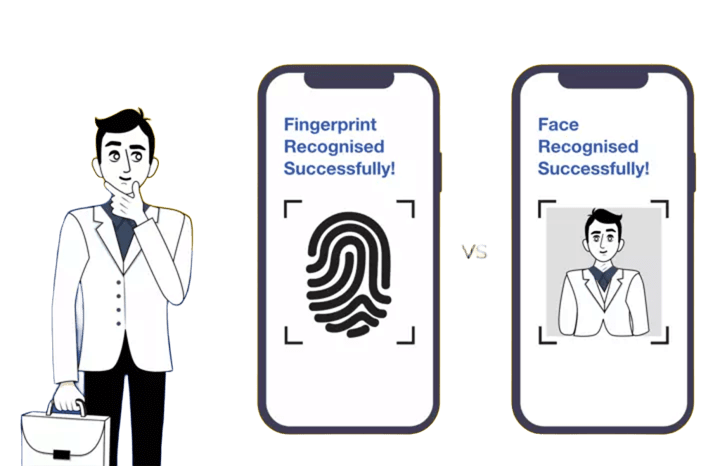
Why Fingerprints Work Better Than Other Biometric Options
There are other biometric systems too like face recognition, eye scans, or voice recognition. But fingerprint systems are often the best fit, especially in work environments. Why?
- They cost less than other biometric devices
- People are more comfortable using them
- They work fast a scan takes just seconds
- They work in all kinds of conditions, even with dust, or dirt
This makes fingerprint systems best for offices, factories, schools, and outdoor sites.
Creating Trust Through Transparency
When companies introduce fingerprint systems, some employees worry about privacy. They might ask:
- What happens to my fingerprint data?
- Who can see it?
- What if data gets misused?
Here’s how to help employees feel safe:

Clearly Explain Why It’s Needed
Let employees know the system helps prevent fraud and makes things fair for everyone.

Keep Data Safe
Assure them that fingerprint images are not stored in the system. It only stores encrypted digital versions that can’t be reversed.

Limit Access
Only authorized people should see attendance records. Use strong passwords and access controls.

Set Clear Rules
Make policies on who can see the data, how long it is stored, and what happens if someone leaves the company. Follow local data protection laws like DPDPA.
Fingerprint Attendance for Remote and Hybrid Workers
Fingerprint scanners might seem unnecessary in remote work, but today’s technology is changing that. Many mobile apps now allow employees to log attendance using fingerprint enabled smartphones. This helps maintain honesty, even from a distance.
These tools often include:
- Location tracking (geo-tagging)
- Time-stamped logs
- Manager approvals
- Fraud prevention using GPS or network checks
This way, remote teams stay flexible without losing accountability.
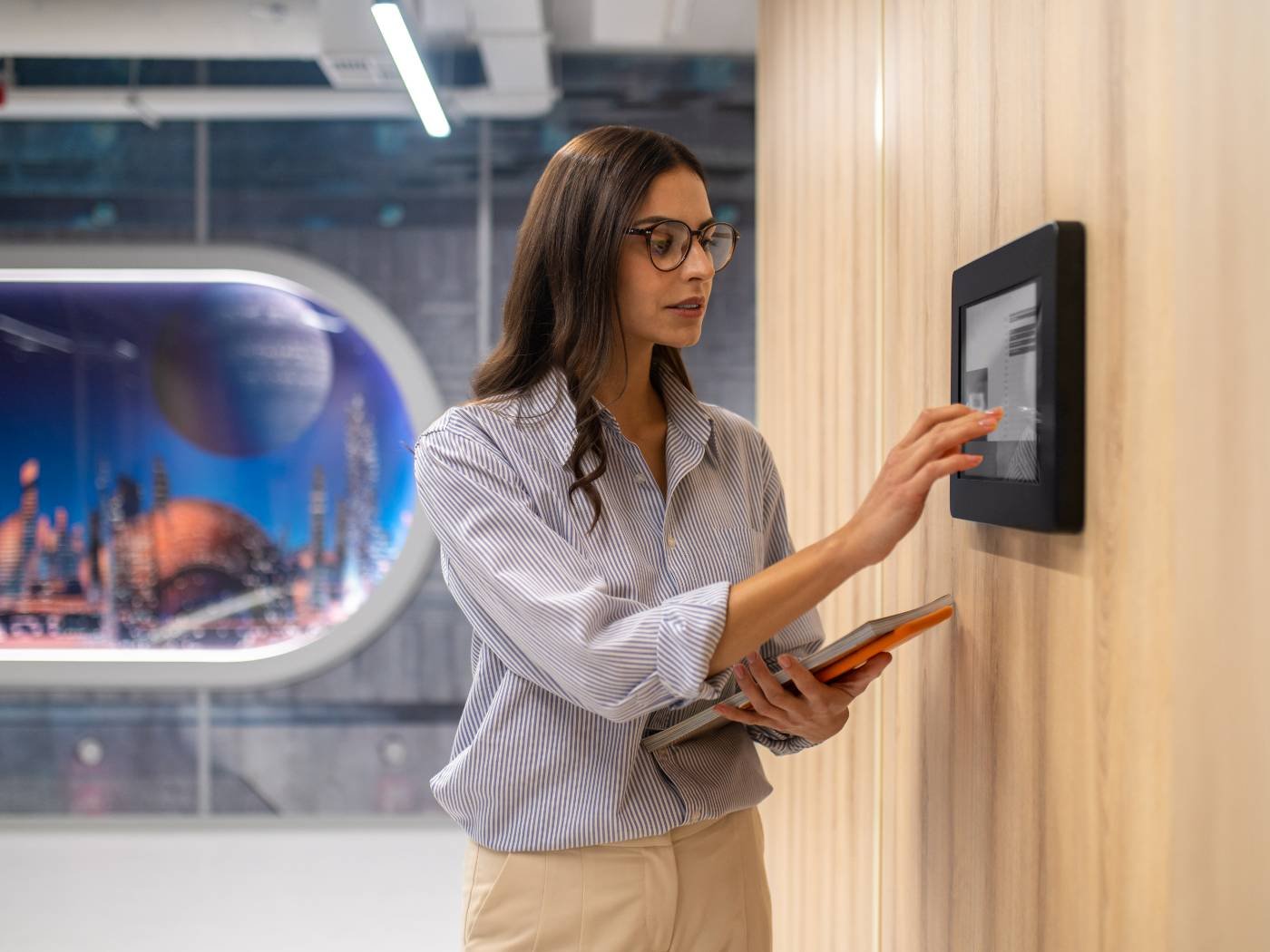
Fingerprint Attendance Boosts Culture, Not Just Numbers
Fingerprint systems do more than just track hours. They improve the workplace atmosphere. When people know attendance is fair and accurate, they feel respected. Managers also save time and avoid misunderstandings.
Some real-life benefits include:
- Fewer payroll errors
- Better employee mood and trust
- Improved time discipline
- Lower absenteeism with real-time alerts
These results make the system worth the investment.
What’s Next: Fingerprints and Artificial Intelligence (AI)
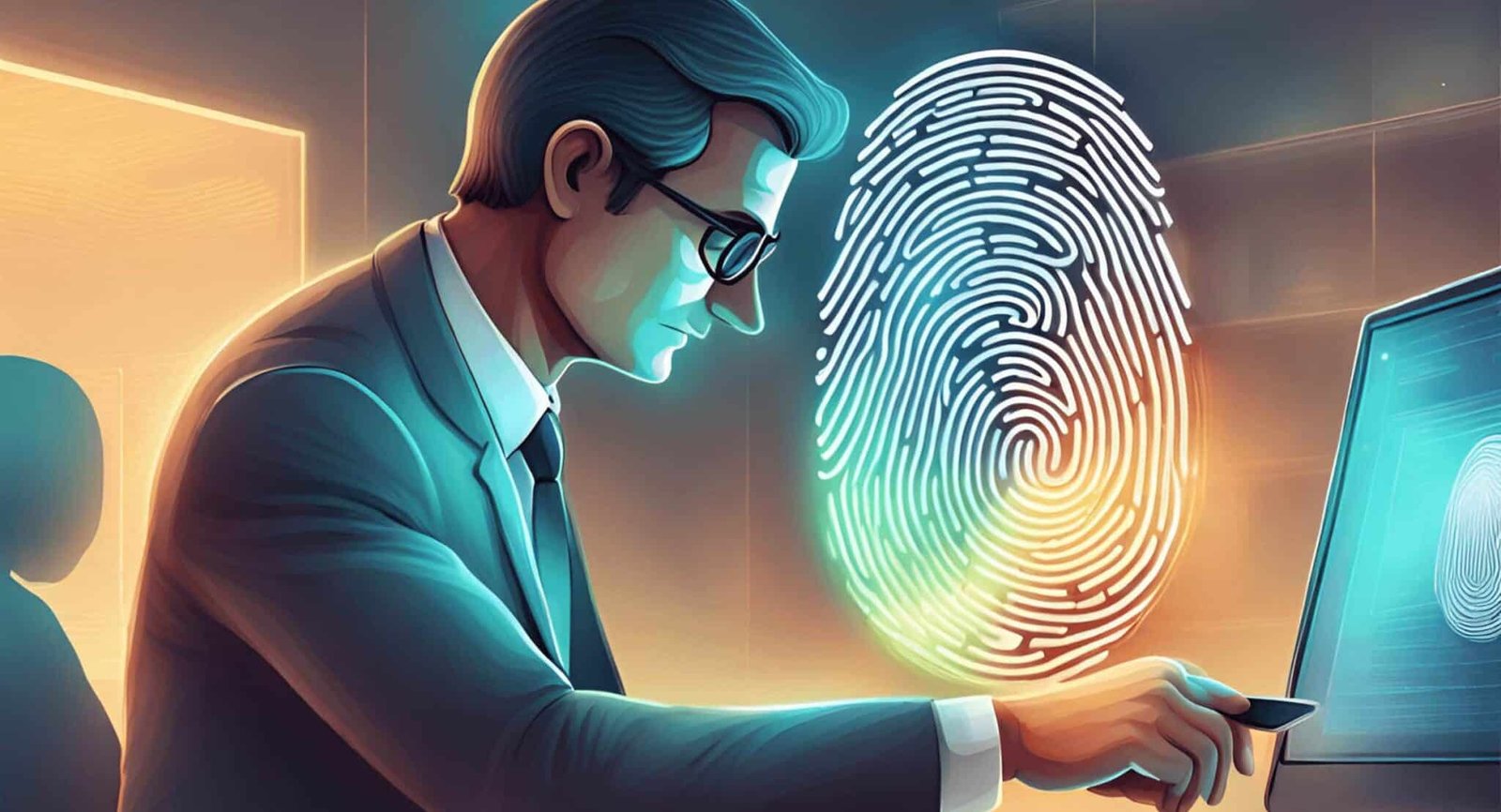
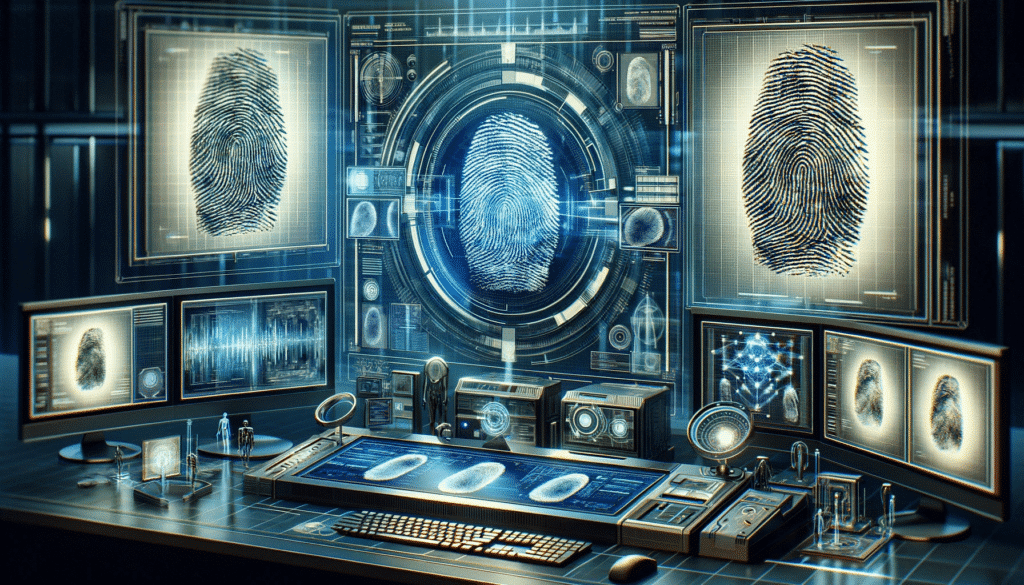
Fingerprint attendance systems are getting smarter with AI. New systems can study attendance patterns and spot red flags, such as:
- Unusual or sudden absences
- Fake employee records
- Regular late check ins and early check outs
Frequently Asked Questions
Q. How does a biometric attendance system work?
– The employee’s fingerprint is scanned by the system and matched to a template that has been saved. It records the time when the fingerprint matches successfully.
Q. What are the benefits of biometric attendance?
– Biometric systems reduce mistakes in attendance data and prevent buddy punching. They also speed up check ins and improve payroll accuracy.
Q. How does biometric attendance create a safer workplace?
– It makes sure only authorized people can enter restricted areas. This improves security and protects both people and property.
Q. Can biometric systems work in remote or hybrid setups?
– Yes, many mobile apps now allow employees to log attendance using fingerprint enabled smartphones.
Q. Does the system store real fingerprint images?
– No, it only stores encrypted digital versions that can’t be reversed.
Final Thoughts:
Fingerprint scanners may seem like simple tools, but they help build trust. They make sure attendance records are accurate and fair, which promotes honesty at work. When a company invests in fingerprint based systems. It’s a step toward better work culture, employee happiness, and a smooth process. The next time someone uses their fingerprint to check in, they are helping to create a system that is based on accuracy and fairness not just just making attendance.
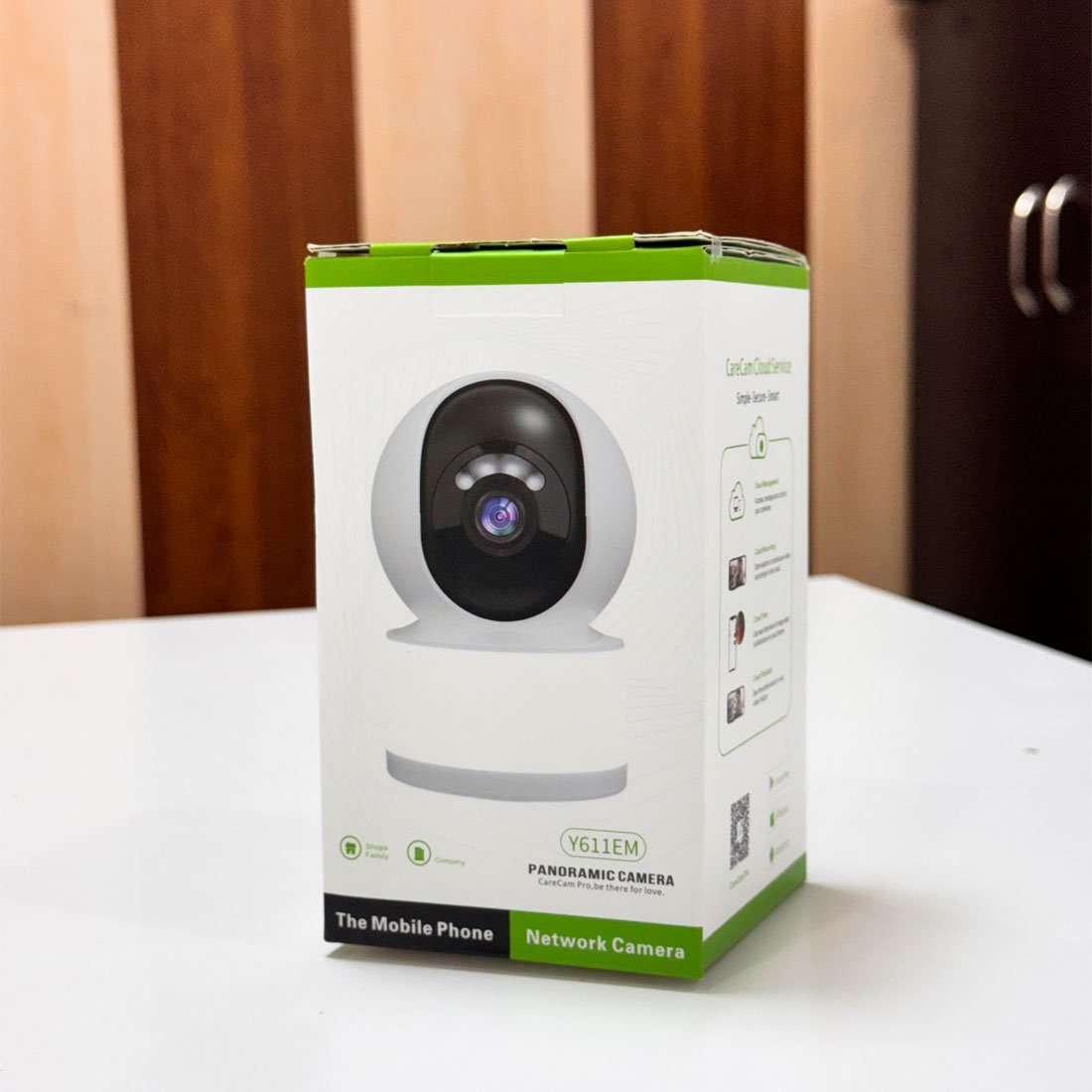 WiFi Camera
 Solar Camera