We ship worldwide…


What is a passkey authentication system and how does it operate?


What is a passkey authentication system and how does it operate?
In the world of digital security, passwords have long been the standard method for protecting online accounts. But passwords are often weak, reused across sites, and vulnerable to theft, phishing, or brute-force attacks. To address these issues, passkey authentication systems are emerging as a safer, more user-friendly alternative.
A passkey authentication system is a modern, passwordless login solution designed to offer stronger security while improving user convenience. Instead of relying on memorized passwords, passkeys use cryptographic technology stored securely on user devices to verify identity.In this article, we’ll explain how passkey authentication works, why it’s safer than passwords, where it’s used today, and how it’s shaping the future of secure digital access.

Why Traditional Passwords Are No Longer Enough
Passwords have several weaknesses that make them risky:
Key Benefits of WiFi Security Cameras:
- Users often choose simple or reused passwords
- Stolen credentials can be used across multiple platforms
- Phishing scams trick people into revealing login details
- Managing many passwords causes security fatigue
These issues have led cybersecurity experts to push for passwordless authentication systems, with passkeys emerging as one of the most secure alternatives.
What Is a Passkey Authentication System?
A passkey authentication system replaces passwords with a secure digital credential based on public key cryptography.
Instead of typing a password, users authenticate using a passkey stored safely on their device, such as a smartphone, laptop, or tablet.
Each passkey uses two cryptographic keys:
- Private key : Stored securely on your device and never shared
- Public key : Stored on the website or app’s server
When logging in, the system verifies your identity without transmitting any sensitive secret information across the internet.
This approach makes passkeys highly resistant to hacking and phishing attacks.


How Does Passkey Authentication Work?
Here’s a simple step-by-step breakdown:
1. Passkey CreationWhen you enable passkey login:
- Your device generates a public and private key pair.
- The private key stays on your device.
- The public key is saved on the service’s server.
The private key never leaves your device.
2. Logging In SecurelyWhen you try to sign in:
- The website sends a random challenge.
- Your device signs the challenge using the private key.
- The signed response is verified using the public key stored on the server.
- If verification succeeds, access is granted—no password is needed.
Why Are Passkeys More Secure Than Passwords?
No Shared Secrets
Passwords can be stolen from databases. Passkeys avoid this by never sharing private keys.
Phishing Protection
Since there’s nothing to type, attackers can’t trick users into entering credentials.
Strong Encryption
Public key cryptography prevents brute-force attacks.
Secure Recovery
Many platforms allow encrypted cloud backups of passkeys.

Why Are Passkeys More Secure Than Passwords?
| Feature | Passwords | Passkey Authentication |
|---|---|---|
Security |
Medium to Low |
Very High |
Phishing Risk |
High |
Extremely Low |
User Experience |
Difficult |
Simple |
Storage |
Server-based |
Device-based |
Breach Impact |
Severe |
Minimal |

Authentication Is Used Today
Passkeys are already supported by a variety of platforms and services:
- Major web browsers like Chrome, Safari, and Edge
- Mobile platforms such as Android and iOS
- Financial services, email providers, and enterprise apps
As part of the broader move toward modern authentication systems, adoption continues to grow rapidly.
Passkeys in Smart Security and Connected Systems
Passkeys are especially valuable in environments where strong protection is critical, such as smart homes and business security networks.
For example, multi-location surveillance setups using wireless WiFi cameras benefit greatly from secure, passwordless authentication to prevent unauthorized access.
Benefits of Using Passkeys
- Faster login experience
- Higher security level
- No password management required
- Reduced data breach risk
- Better protection against phishing


Challenges to Consider
While passkeys are highly secure, there are a few things to keep in mind:
Device Dependency
Losing a device can be risky if recovery options aren’t enabled.
Adoption Still Growing
Some websites still rely on passwords.
User Awareness
New users may need guidance initially.
Despite these challenges, the benefits far outweigh the limitations.
The Future of Authentication
With cyber threats increasing every year, passwords are becoming outdated. Passkey authentication systems represent the future of secure digital access.
Between 2025 and beyond, experts expect passkeys to become the standard login method across major platforms, replacing traditional passwords in many industries.

Conclusion
A passkey authentication system is a major step forward in online security. By removing passwords and using cryptographic verification stored on trusted devices, passkeys deliver stronger protection, improved convenience, and resistance to common cyber threats.As more companies adopt passwordless authentication, users can look forward to safer and simpler login experiences.Investing in modern authentication today helps protect digital identities and prepares systems for the future of cybersecurity.
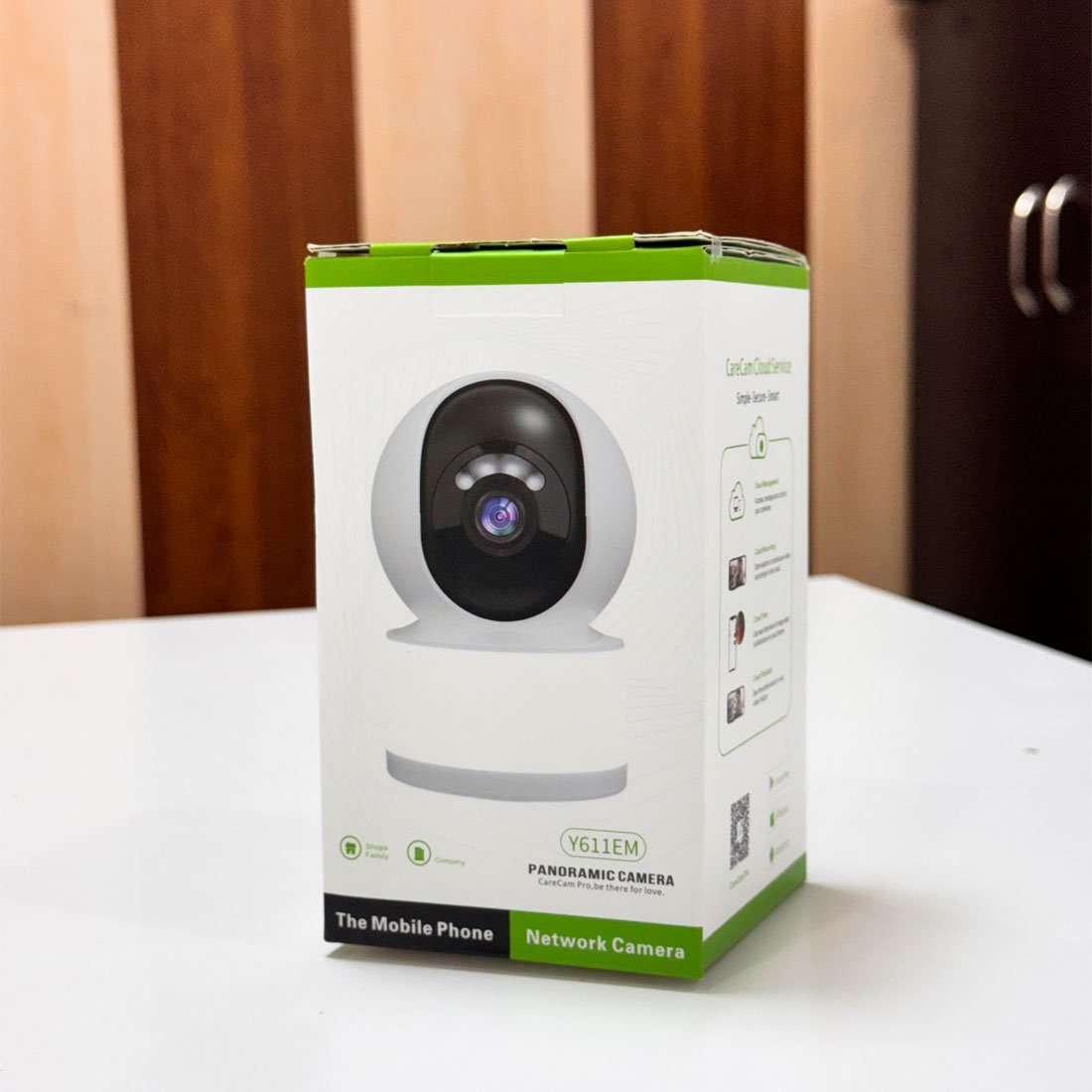 WiFi Camera
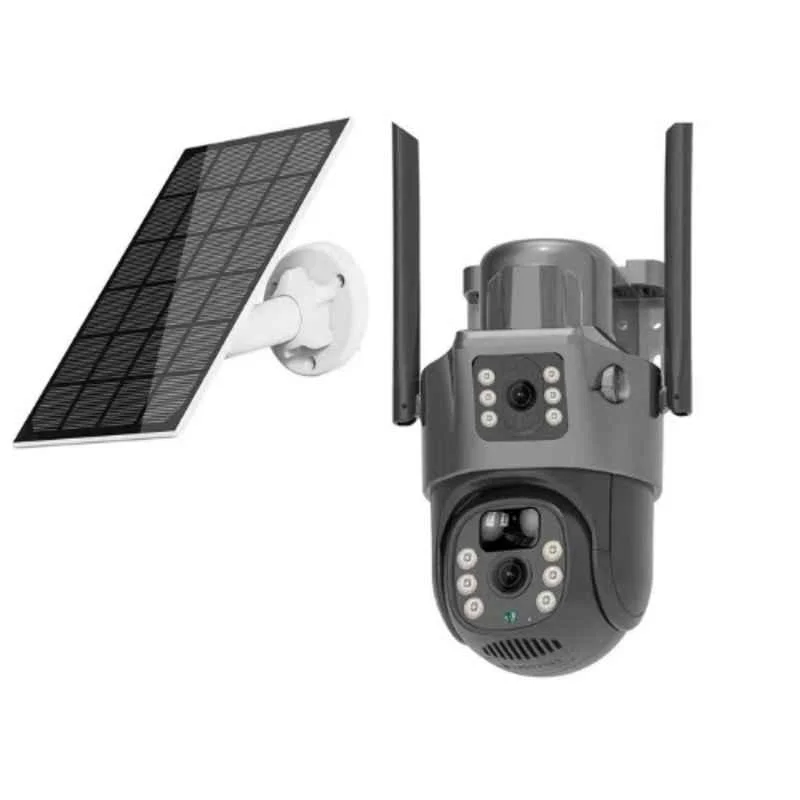 Solar Camera