We ship worldwide…


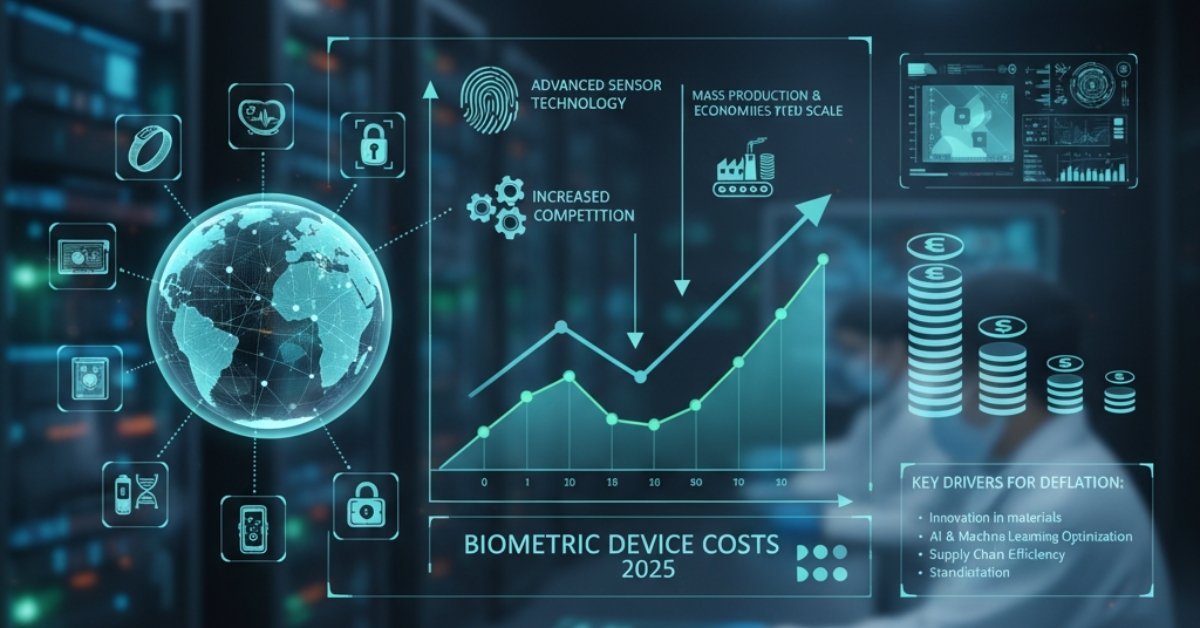
Market Trends in Biometric Device Costs: What’s Driving Prices in 2025

Market Trends in Biometric Device Costs: What’s Driving Prices in 2025
Biometrics has shifted to an everyday infrastructure. Nowadays phones unlock with just a glance, offices open with a fingertip, airports verify travelers with a face scan and hospitals track substances with palm vein readers. However the economics of all this identity magic are changing quickly. Understanding where biometric device costs are going (and why) can save you a lot of money and hassle when you’re planning for a rollout or rethinking your authentication stack.
In this blog we will give a clear, vendor neutral look at the cost trends shaping biometric hardware in 2025, how prices are evolving across modalities, what’s inside the bill of materials and why total cost of ownership matters more than list price.

The Big Picture: Prices Down, Performance Up
Across most modalities, raw hardware prices have trended down over the last 3 to 5 years thanks to falling component costs (sensors, compute, memory) and scale effects from massive smartphone adoption. But that headline disguises three crucial caveats :
- Edge AI adds capability and cost. Many newer readers include on-device neural acceleration to run liveness detection and matching offline. That improves privacy, latency, and uptime but raises the BoM and unit price.
- Security and compliance drive “hidden” costs. Template encryption, FIPS-validated modules, tamper resistance and secure elements increase hardware costs and certification timelines. In regulated environments, compliance can double device and deployment costs.
- Software and recurring fees are now material. The device list price is just the entry ticket. Licenses for matching algorithms, liveness detection, device management and cloud analytics can rival hardware spend over a 3–7 year lifecycle.
The net effect: commodity biometric devices are cheaper than ever, while enterprise-grade, compliance-ready systems with strong presentation attack detection can cost more up front but often deliver lower TCO via reduced fraud, fewer false rejects, and less help desk load.
Cost by Modality: Where Each Technology Lands
While exact prices vary by vendor and volume, these relative trends generally hold true :
1) Fingerprint
- Trajectory : Mature, highly commoditized for consumer and light enterprise use.
- Cost drivers : Sensor type (capacitive vs. optical), sensor size (Area), on-board matching and secure element usage.
- Trend : Downward for basic USB readers and embedded modules; flat to slightly up for devices with advanced liveness and on-device matching at scale.
- Notes : Optical sensors have improved ruggedness for harsh environments; capacitive remains cost-effective for high volume deployments.

2. Face Recognition
- Trajectory : Rapid growth, especially in access control and travel.
- Cost drivers : Camera array (RGB+IR), depth sensor, illumination (NIR), and edge AI capability for liveness/PAD.
- Trend : Mixed baseline 2D cameras are inexpensive, but true anti-spoofing with depth/IR and robust PAD raises unit costs.
- Notes : Expect a split market: low-cost camera-only solutions for low risk; higher-end units with depth sensing for regulated or high-security use.
3. Iris & Iris+Face Hybrids
- Trajectory : Stable niche in high security and high throughput environments (airports, data centers).
- Cost drivers : Specialized optics, high-resolution NIR imaging, and precise alignment hardware.
- Trend : Gradual decline in price with broader manufacturing, but still premium vs. fingerprint/face due to optics complexity.
- Notes : Excellent accuracy at a distance; CapEx offset by low failure-to-enroll and reliability in variable lighting.
4. Plm Vein/ Hand Geometry
- Trajectory : Growing in healthcare and industrial settings.
- Cost drivers : NIR illumination, robust imaging hardware, and ergonomic housings to handle diverse user populations.
- Trend : Moderate decline; still higher than fingerprint due to more complex sensors.
- Notes : Strong hygiene and user acceptance benefits, no contact, resilient to skin conditions.
5. Voice Biometrics (Device-Side)
- Trajectory : Increasing in call centers and mobile apps more than physical hardware.
- Cost drivers : Microphone quality is trivial; software and model training/tuning drive cost.
- Trend : Hardware cost minimal, TCO dominated by software licensing and fraud defenses (anti-recording, anti-synthesis).
- Notes : Physical devices rarely cost the center, plan for ongoing model improvement.


What’s Inside the Price Tag : Understanding the BoM
A modern biometric device is a small edge computer. Typical components :
- Sensor stack : Camera(s), fingerprint array and NIR module.
- Illumination : IR/NIR LEDs, structured light projectors (for 3D face), diffusers.
- Compute : MCU or SoC, often with a DSP/NPU for on-device AI.
- Memory and storage : For templates, encrypted logs, firmware and models.
- Security : Secure element/TPM, tamper mesh and secure boot.
- Connectivity : USB, Ethernet, WiFi, BLE, sometimes PoE.
- Enclosure & durability : IP ratings, vandal resistance, operating temperature range.
Each line item influences the list price. The more a device can do (match at the edge, enforce liveness, store templates securely), the more that device costs, yet the less you may spend on servers, bandwidth and cloud inference.
Five Market Dynamics Shaping Prices Right Now
- Edge AI commoditization. NPUs in low-power SoCs are becoming standard. Expect incremental price drops for edge-inference-capable devices as silicon ramps and models become more efficient.
- Supply chain normalization (post-shock). Component lead times are far healthier than during the pandemic era. Pricing has stabilized and multi-source strategies reduce vendor premiums.
- Certification pressure. More buyers now require ISO 30107-3 PAD and region-specific privacy/security assurances. Devices with proven PAD performance command a premium, but their prices are easing as testing pipelines mature.
- Privacy by design. Demand is rising for template-on-device architectures (no biometric data in the cloud). This shifts cost to the edge (more storage, better security), while reducing recurring cloud spend and compliance overhead.
- Verticalization. Vendors increasingly ship vertical bundles (e.g., for healthcare, airports, banking) with pre-certified integrations. Bundling can obscure device unit price but lowers integration cost and speeds deployment.


Pricing Models to Expect and How to Compare Them
- CapEx Only : Pay per device, perpetual firmware updates included. Lowest complexity; watch for paid upgrades to advanced PAD or on-device matching features.
- Device + License: Base hardware + annual per-device license for liveness, template storage, or management. Good for spreading costs but read escalation clauses carefully.
- Subscription : Monthly/annual fee covering device, warranty, updates and support. Attractive for cash-flow, ensure clarity on ownership, refresh cycles and return logistics.
- Per-Match / Per-Template Fees (Cloud-Centric): Rare for physical devices alone, more common in cloud verification flows; can get expensive at scale if your traffic spikes.
Tip: When comparing quotes, normalize everything to a 3–5 year TCO with realistic assumptions about enrollment volumes, support tickets, firmware cadence, and replacement rates.
How Deployment Scale Changes the Math
- Small pilots (10–50 devices) : Unit prices are stickier; negotiate on bundles (mounting brackets, spares, SDK seats) rather than raw unit costs.
- Mid-scale (100–1,000 devices) : Volume discounts kick in; push for tiered pricing on licenses and device management and ensure you get NBD replacement SLAs.
- Large rollouts (1,000+ devices) : Expect custom BoMs, firmware features, and aggressive per-unit pricing—but don’t sacrifice certification or PAD to shave a few dollars off CapEx.


Negotiation Playbook : Getting Enterprise-Grade for Less
- Bundle smartly : Ask for turnkey pricing that includes mounts, PoE injectors, cabling, and two spare units per site. Vendors prefer predictable deals and will often cut margin on accessories.
- Leverage certification parity : If two vendors hold the same PAD or security certifications, use that to push for price alignment.
- Ask for feature unbundling : If you don’t need 1:N matching or advanced analytics on day one, negotiate a feature-upgrade path rather than paying now.
- Lock license escalators :Cap annual increases and secure price protection for expansion phases.
- Pilot with purpose : Tie pilot success to a pre-agreed scale price card, remove the “new quote” friction later.
A Quick Checklist Before You Sign
- Does the device’s PAD testing align with your risk level?
- Does the base price cover security patches and firmware updates?
- What are the environmental ratings (IP, operating temperatures)?
- Is remote fleet management available, and is it licensed per device or per site?
- How are templates stored and protected (SE/TPM, encrypted at rest, key custody)?
- What’s the RMA and replacement SLA, and who pays shipping?

Conclusion
The market for biometric devices is maturing in a familiar way, hardware prices compress as volumes scale, while the software and operational layers become the true battleground and the true cost center. Organizations that chase the lowest unit price often discover higher support burdens, inconsistent user experience, and compliance gaps that erase initial savings. Flip the lens. Start from your risk, environment, and operations. Choose devices that excel there, negotiate with lifecycle value in mind, and normalize offers to a realistic multi-year TCO. Do that, and you’ll ride the current market trends to a more secure, user-friendly, and cost-efficient biometric rollout.
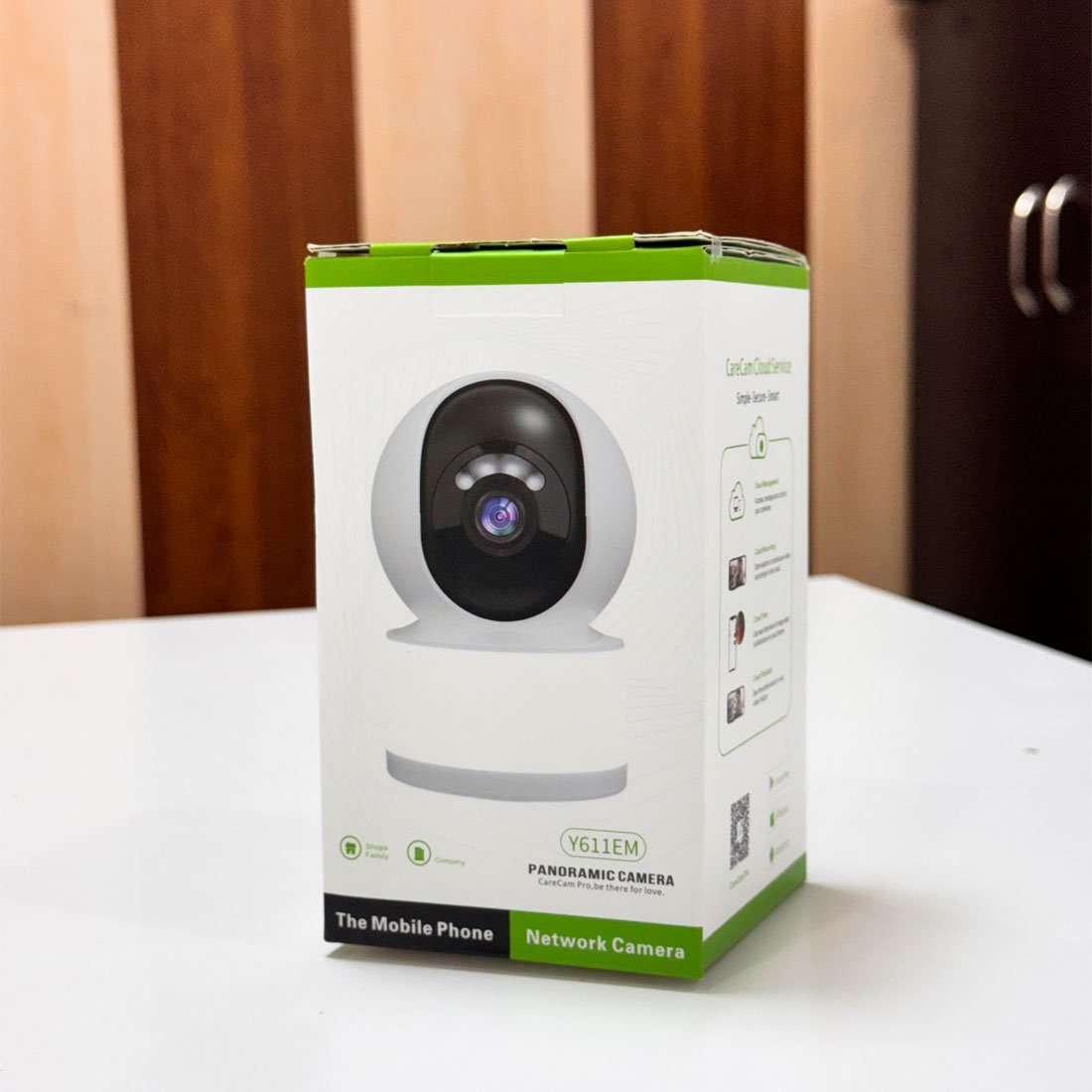 WiFi Camera
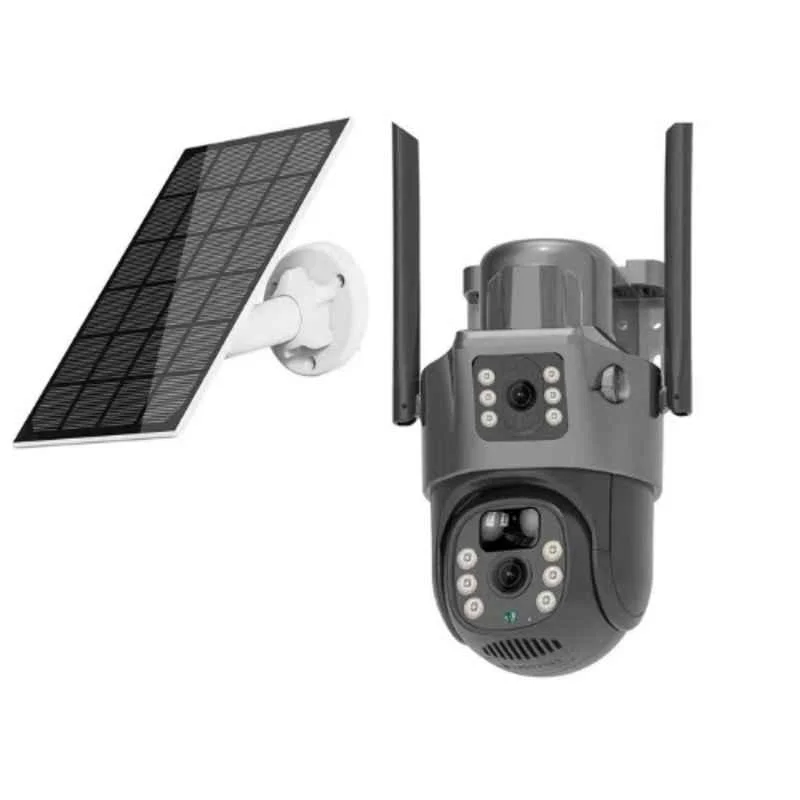 Solar Camera