We ship worldwide…


Smart Lock Insights: Benefits, Risks, and Best Practices for a Secure and Convenient Home


Smart Lock Insights: Benefits, Risks, and Best Practices for a Secure and Convenient Home
Home security is evolving with technology, and smart locks are at the forefront of this transformation. Offering a seamless and advanced way to secure your home, smart locks eliminate the need for traditional keys. Whether through your smartphone, fingerprint recognition, or even remote control, they bring enhanced security and convenience. However, like any technological advancement, smart locks come with their own set of risks, such as cybersecurity threats and technical challenges.
In this blog, we’ll explore the benefits, risks, and best practices for integrating smart locks into your home, ensuring maximum security, ease of use, and peace of mind.
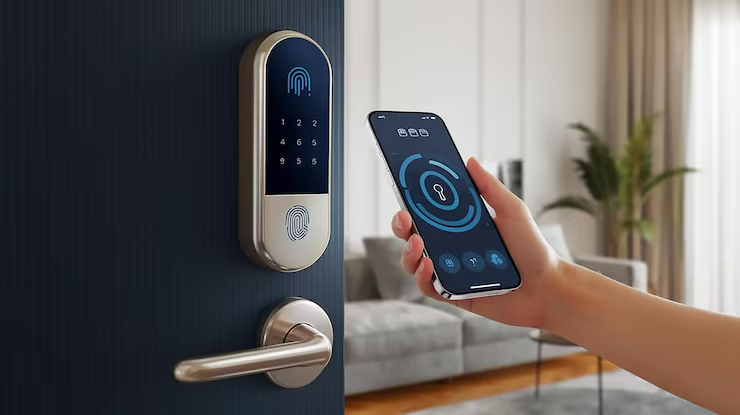
What Is a Smart Lock?
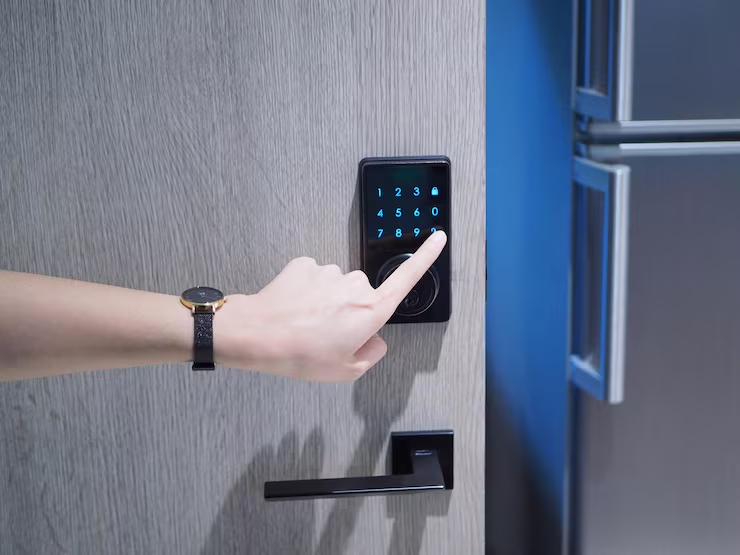
A smart lock is an electronic locking system that replaces traditional locks. These locks enable access to your home or office without the need for physical keys. Instead, smart locks use a variety of methods for entry, including:
- Smartphone apps (via Wi-Fi or cellular data)
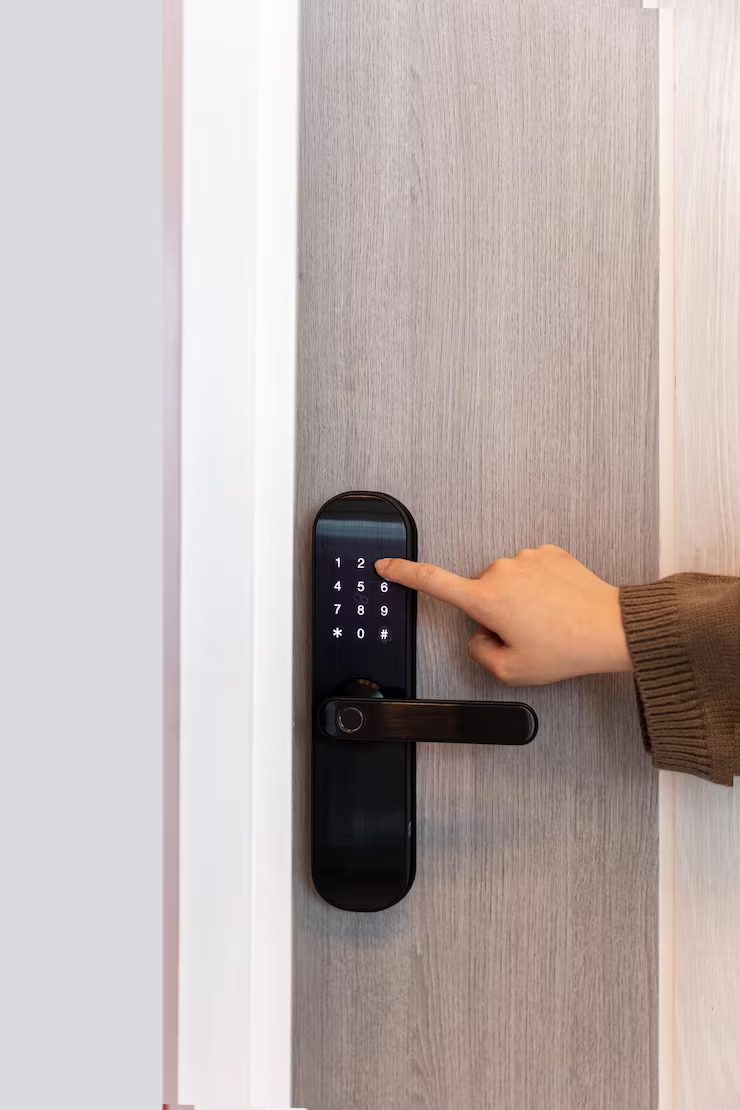
- Keypads or touchscreens (with PIN codes)
- Biometric methods (fingerprints or facial recognition)
- Smart home assistants (Alexa, Google Assistant)
Some smart locks are designed to fully replace traditional locks, while others can be added to existing doors. With features like remote access, keyless entry, and access logs, they offer both convenience and security.
The Benefits of Smart Locks
The rise of smart home devices has made life more convenient for homeowners, and smart locks are no exception. Here’s a closer look at the benefits of installing smart locks:
1. Enhanced Security
Compared to traditional locks, smart locks for main doors provide an added layer of protection. Many models feature:
- Remote Access: Whether you’re out of town or at work, you can remotely unlock your door for someone who needs access.
- Temporary Access Codes: You can issue one-time or temporary codes for service workers or guests, ensuring no one else can use the code after it expires.
- Integration with Security Systems: Many smart locks integrate with your home security system, enhancing your overall protection.
2. Integration with Smart Home Ecosystems
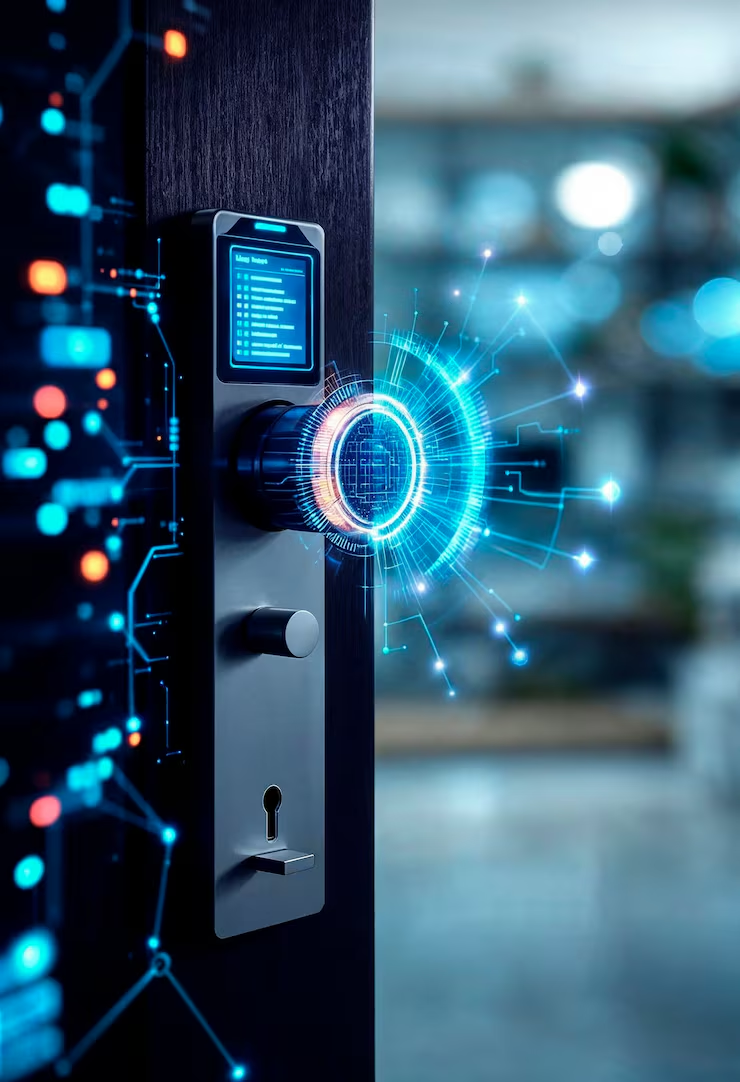
By integrating smart locks with smart home platforms like Alexa, you can create a fully automated experience. For example, when you unlock your door, your smart lights can automatically turn on, and security cameras can begin recording.
3. Tracking and Access Control
With smart locks, you can monitor who enters and exits your home:
- Access Logs: Many smart locks offer detailed logs, showing who accessed your home and when. This feature is helpful for tracking family members or service personnel.
- Multiple User Accounts: Assign unique access credentials to different users, improving both security and convenience.
4. Convenience
Imagine never needing to carry physical keys again. Smart locks offer unmatched convenience:
- No More Keys: Unlock your door with your smartphone, a smart key, or even your voice.
- Remote Control: Control your lock from anywhere in the world. Let someone in while on vacation or check if you locked the door—all from your phone.
Hands-Free Operation: Voice-activated smart locks integrated with Amazon Alexa or Google Assistant make your home security even more convenient.
The Risks and Limitations of Smart Locks
Despite their many benefits, smart locks come with a few potential drawbacks:
1. Hacking and Cybersecurity Threats
As smart locks are connected to the internet, they are vulnerable to hacking attempts. Common risks include:
- Weak Encryption: Locks with outdated software or weak encryption protocols are easy targets for hackers.
- Unauthorized App Access: If your smartphone or the app you use to control the lock is compromised, hackers could gain control of your lock remotely.
2. Battery Failure
Like any battery-operated device, smart locks can experience power failures. If the battery dies and you don’t have a backup key, you could be locked out.
- No Backup Key: Some smart locks don’t have a manual key option, which could leave you stranded if the battery runs out.
- Battery Life Management: Forgetting to replace the battery on time is a common issue. Some locks don’t notify users when the battery is low.
3. Dependence on Connectivity
Smart locks rely on Wi-Fi for connectivity. If there’s an issue with your home network, you might be unable to access the lock.
- Network Vulnerability: If your home Wi-Fi network is not secure, hackers could gain access to your lock through it.
4. Compatibility Issues
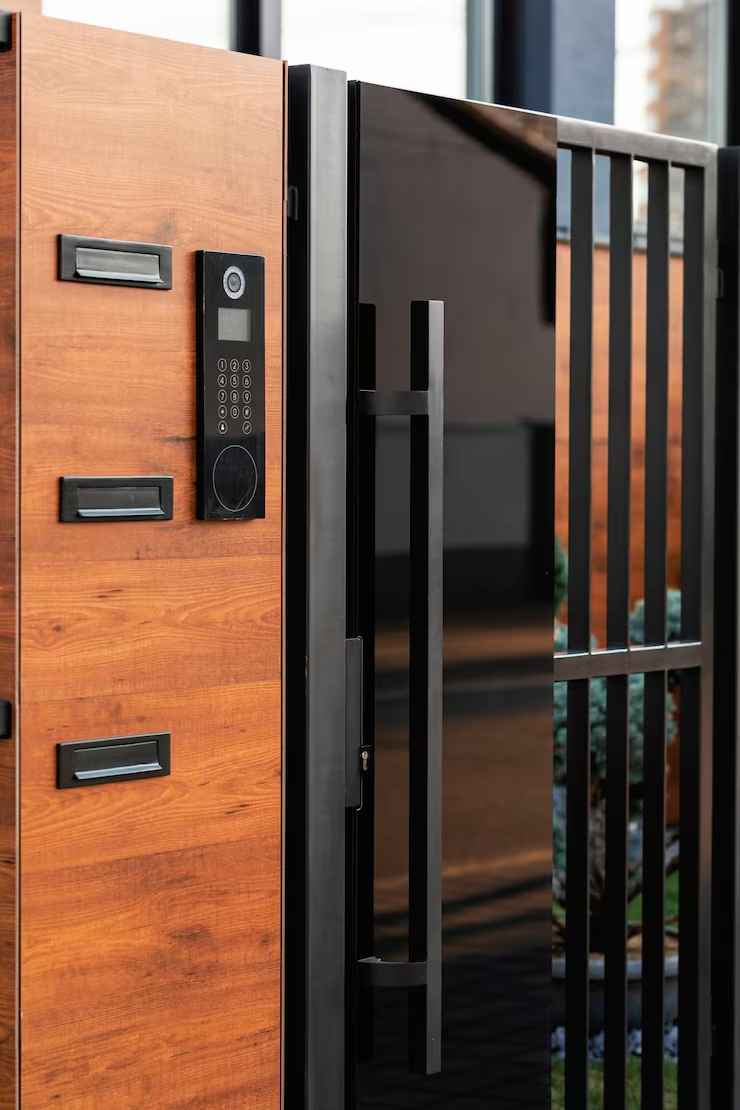
Not all doors or home security systems are compatible with every smart lock model. You may need to verify whether your existing hardware will work with the lock.
- Complex Installation: Some smart locks require professional installation, which could increase the cost and time needed.
Best Practices for Smart Lock Security
To ensure your smart lock works efficiently and securely, follow these best practices:
-
1. Use Strong, Unique Passwords
When setting up your smart lock, create a strong password for the app. Avoid weak passwords, and use a mix of numbers, letters, and special characters.
-
2. Update Firmware Regularly
To keep your lock secure, regularly check for and install firmware updates.
-
3. Enable Two-Factor Authentication
If your smart lock app supports two-factor authentication (2FA), enable it for an added layer of protection.
-
4. Monitor Access Logs
Check the access logs regularly to ensure no unauthorized access is happening. If you notice anything suspicious, take immediate action.
-
5. Have a Backup Plan
Always keep a physical key hidden in a secure location in case your smart lock fails. Alternatively, choose a smart lock that offers a key backup option.
-
6. Secure Your Home Network
Since smart locks rely on internet connectivity, it’s important to secure your Wi-Fi network with strong passwords and encryption.
Conclusion
Smart locks offer superior control and protection for your home. With features like keyless entry, remote access, and integration with security systems, smart locks are making home security safer and more convenient than ever. However, they also come with risks such as hacking, battery failure, and connectivity issues. By following best practices like using strong passwords, keeping your firmware updated, and securing your home network, you can enjoy all the benefits of smart locks while minimizing the risks. Looking for a reliable smart locking solution for your home? Check out our range of Smart WiFi Door Locks, which offer convenience and advanced security features
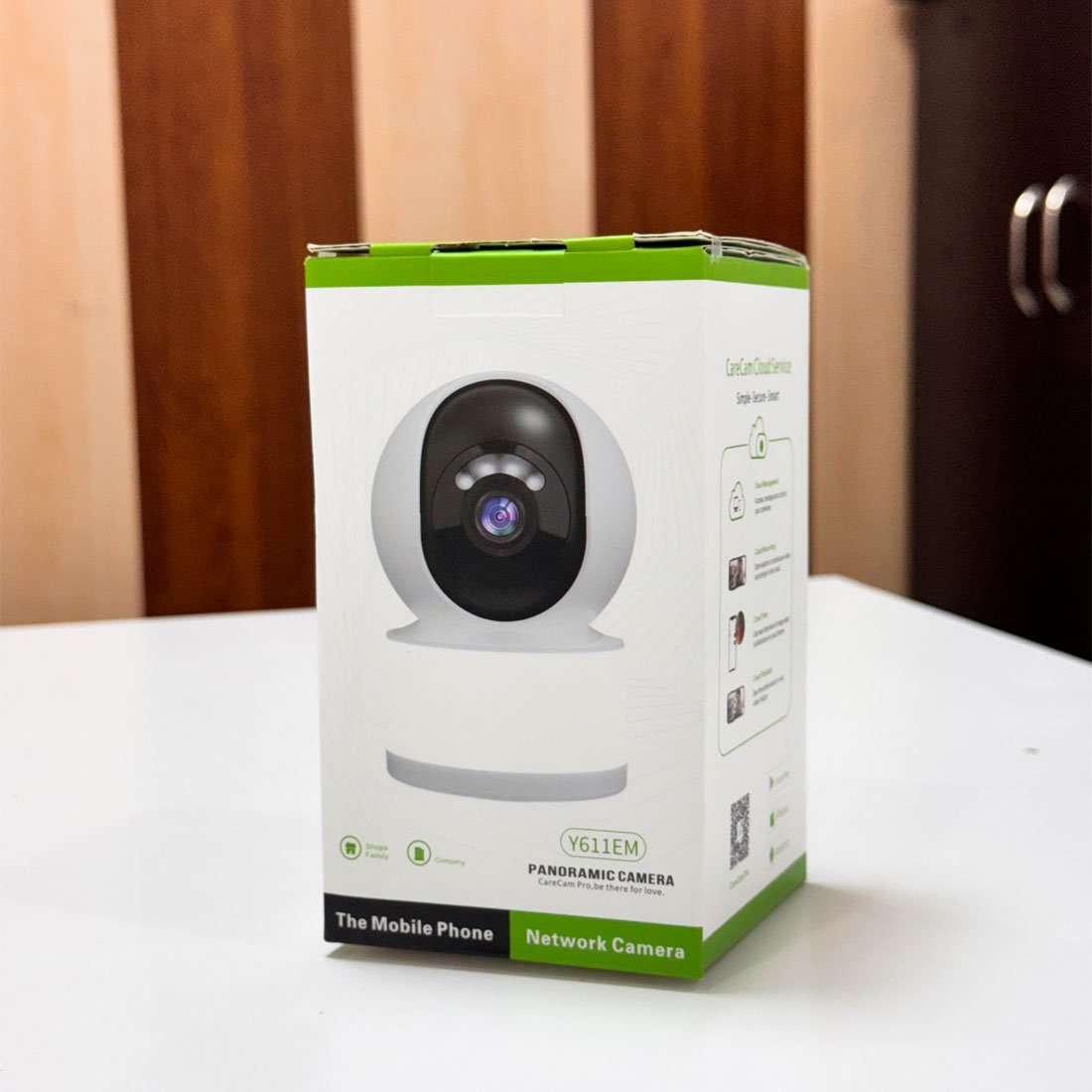 WiFi Camera
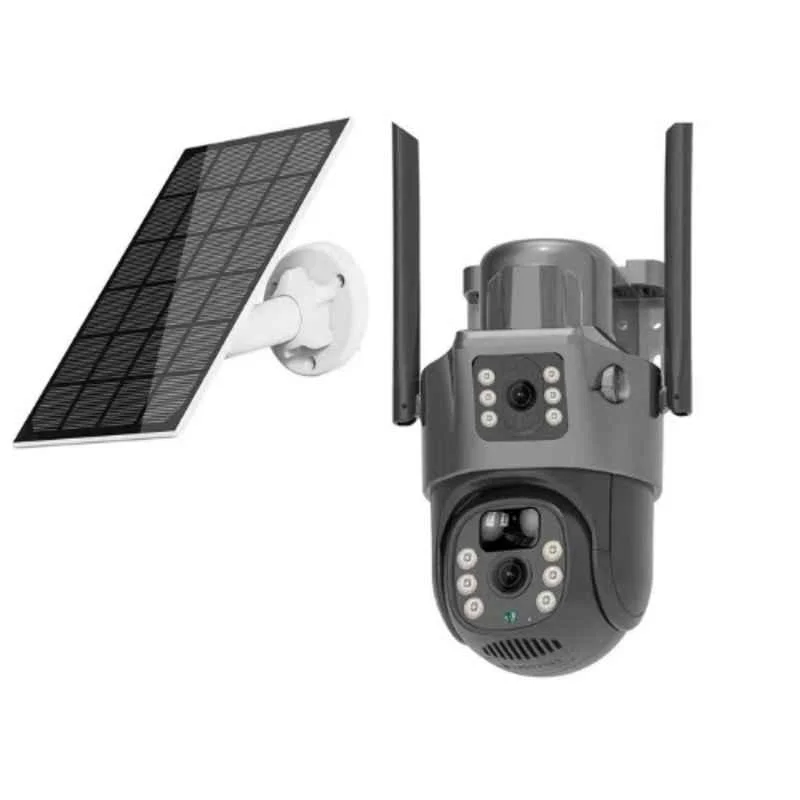 Solar Camera