We ship worldwide…


Smart Home Security: Are Biometrics the Smart Choice?


Smart Home Security: Are Biometrics the Smart Choice?
The concept of a “smart home” has grown way beyond just turning lights on and off or thermostats. Nowadays, homeowners want technology that not only makes their life easy but also protects their space. One of the most smart devices is biometric security. It uses physical and behavioral traits like fingerprints, face scans and voice recognition to control who gets the access.
Biometrics are already being used on a daily basis, from facial recognition to touch-unlocking cellphones. But does it mean biometrics are the future of home security? Or are they just another fancy tech trend that might come with problems? Let’s take a closer look at whether biometrics are the smart way to protect your home.

What Is Smart Home Biometric Security?
Biometric security for smart homes is a security setup in which biometric technology is used to monitor and control access to your space by using biometric traits like fingerprints, facial recognition and voice patterns. Biometric systems verify users based on who they are and not what they have, unlike traditional methods of keys, PIN codes.
Common methods include:
- Fingerprint scanning – one of the most widely adopted forms, already familiar through smartphones.
- Facial recognition – leveraging unique facial structures.
- Iris scanning – advanced methods with high accuracy.
- Voice recognition – useful for hands-free systems.
What is smart about it?
The clever thing is that, wherever you are, you have connected, centralized access to your security. You can lock and unlock doors, arm and disarm alarms, and keep an eye on activity using your smartphone or web interface. It can also connect with professional monitoring to alert you or authorities if needed.
One subcategory of smart home automation, which uses technology for convenience and security, is smart house biometric security. By connecting additional biometric devices and connecting them to other smart home systems, these systems can be made larger.
The Advantages of Biometric Security
1.Unparalleled Convenience:
Imagine not having to search for your keys or remember the passcode when you get home with groceries. With biometrics, just a fingerprint tap or facial scans opens the door instantly. This frictionless entry is the biggest selling point of biometric systems.
2. Enhanced Security:
Biometric traits are more difficult to duplicate than metal keys and four digit code. Each person has different facial features and fingerprints that reduce the risk of unwanted access. An additional degree of security is provided by the ability of contemporary systems to notify homeowners right away of unsuccessful attempts.


3. Seamless Smart Home Integration:
Wider smart home ecosystems are connected to biometric devices. For example, when a door is unlocked, turn on the lights, and silence the alarm. Both security and a genuinely customized living experience may result from this.
4. Personalized Control:
Biometric systems allow you to add or remove authorized users in seconds. This is useful especially for families, households with frequent guests and those who have cleaners, babysitters. Temporary access can be granted and revoked without ever rekeying a lock.
The Drawbacks of Biometric Security
-
1. Privacy Concerns
Biometric data is permanent and sensitive. It is more difficult to restore your fingerprints and face once they are stolen. Concerns regarding surveillance and misuse are raised by the way businesses handle, store, and safeguard this data.
-
2. Technical Limitations
Biometric systems are not foolproof despite their advantage. High quality images can trick facial recognition software, and certain systems can mimic fingerprint readers. Environmental factors like lighting, dirt, or even a common cold can interfere with recognition accuracy.
-
3. Higher Cost
Compared to traditional smart locks, biometric security devices are more costly. High end devices like iris recognition are expensive and need to be installed by professionals.
-
4. Ethical and Regulatory Issues
Sometimes, biometric data can disclose private information. There are ethical discussions about the people's control over their data because different nations have different laws governing the use of biometrics.
Real World Uses of Biometrics in Homes
- FingerPrint Smart Locks:- Many smart locks now use fingerprint readers for quick, safe entry. They usually also have keypads or backup keys, so owners won’t be stuck outside if the system fails.
- Facial Recognition Systems:- Smart doorbells and cameras with face recognition can spot owners and known visitors. They can change how they respond, for example, turning off alarms or sending alerts based on who arrives.
- Palm-Vein Scanners:- This newer tool scans the unique vein patterns under your skin. It’s very secure and hard to fake, but is still mostly found in high-end products.
- Connected Smart Systems:- Some devices link biometric entry to other smart-home features. Unlocking the door might stop cameras, adjust the thermostat, and turn on lights for comfort.

Best Practices for Homeowners Considering Biometrics
- Choose Local Data Storage:- Choose systems that keep biometric data locally rather than on the cloud to lower the possibility of significant breaches.
- Enable Multi Factor Authentication:- Combine biometrics with backup methods like keys and codes. This ensures access even if sensors fail or conditions interfere.
- Stay Updated:- Update apps and firmware to fix bugs and improve system dependability.
- Check Legal Protections:-Understand how your region regulates biometric data. Some places have strong privacy laws, others may leave users vulnerable.
- Invest in Trusted Brands:- Better encryption, updates, and customer service are typically offered by reputable manufacturers.

Is Biometric Security the Smart Choice?
Biometric technology offers a vision of smarter, and more convenient living. It improves security, streamlines daily tasks, and produces highly customized smart home experiences. But it also raises valid issues, particularly with regard to privacy, costs, and reliability.
For tech forward households seeking both convenience and cutting edge protection, biometrics can absolutely be the smart choice. However, it functions best when used carefully and in combination with traditional safeguards. Finding a balance between creativity and caution will keep your house smart and truly safe.

Frequently Asked Questions
Q: What is the best smart home security in 2025?
Ans: The top smart home security systems for 2025 are those that combine biometric access, smart sensors, AI powered monitoring, and smooth mobile integration.
Q: Is it worth it to invest in smart home security?
Ans:Yes, smart home security is worth it because it provides 24/7 protection, remote access control, and integrates with other smart devices. It detects intruders and also gives peace of mind to homeowners.
Q: What is a smart home security system?
Ans: A smart home security system is a network of interconnected devices that can be controlled by smartphone. It includes cameras, alarms and door locks. These systems increase convenience by providing remote monitoring and home safety.
Q: What are biometrics for security?
Ans: Biometric security allows access by using unique human traits, fingerprints, and facial recognition. Biometrics are used in smart home security to ensure that only authorized users can access restricted access areas, and attendance systems.
Final Thoughts
Biometrics are the greatest investment in home security. With the promise of easy access and clever protection, they provide futuristic convenience today. Still, like all technologies, they demand careful consideration. Are they the smart choice? Yes, according to many homeowners, as long as systems are carefully selected, privacy protections are upheld, and there are still several access choices. The most intelligent security ultimately combines the inventiveness of biometrics with the dependability of conventional techniques to create a secure environment that changes with the times.
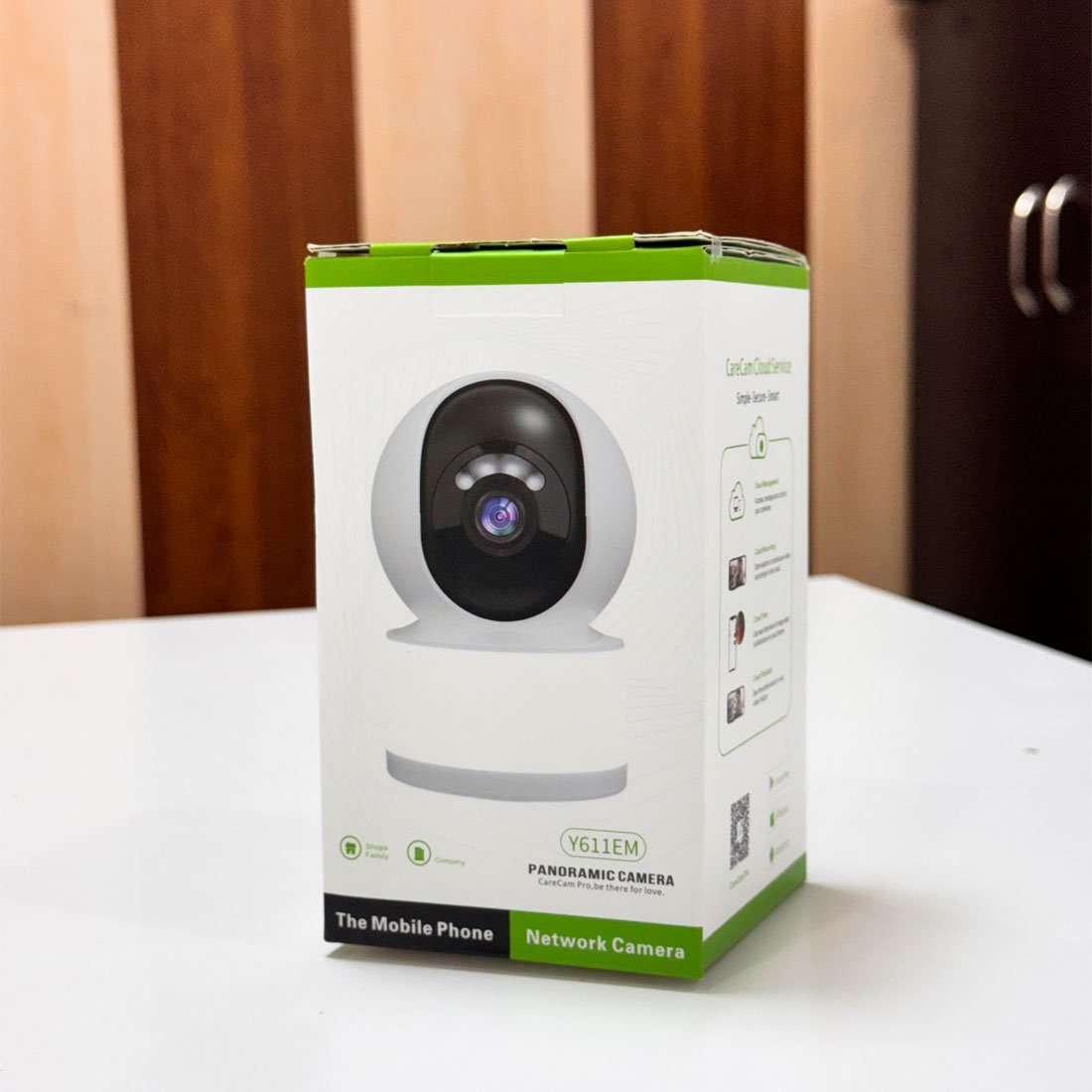 WiFi Camera
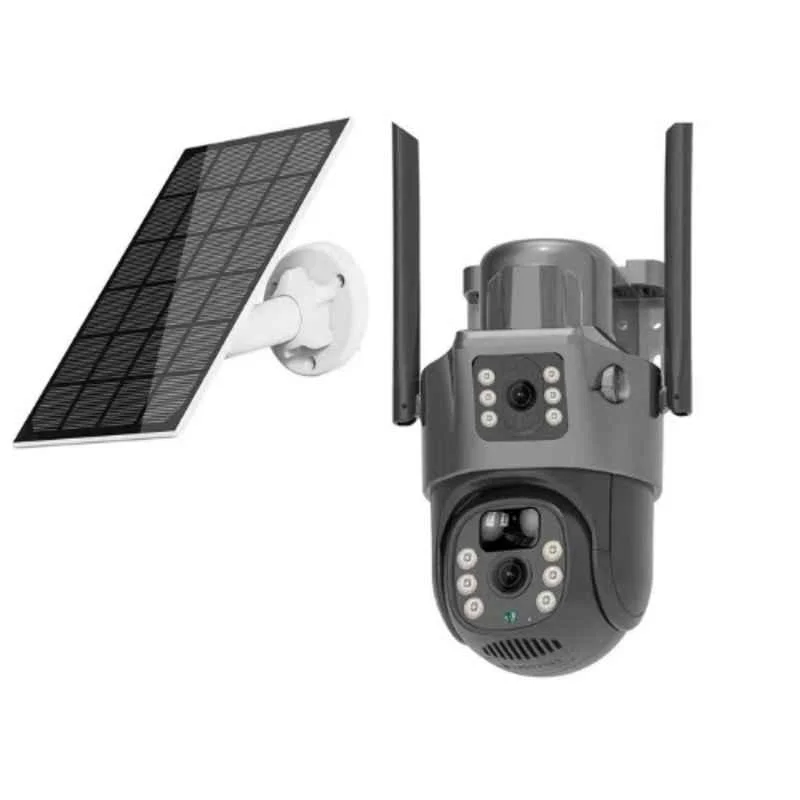 Solar Camera