We ship worldwide…


The Ultimate Guide to Surveillance Cameras for Facial Recognition


The Ultimate Guide to Surveillance Cameras for Facial Recognition
Surveillance technology has made drastic advances over the last decade, and the most striking development is facial recognition. These days cameras are not just passive recorders but they also recognize faces, recognize people, and even initiate automated reactions. Convenience and increased safety in public, commercial, and residential areas are provided by this hardware and AI combination.
But not every camera is capable of such tasks. Facial recognition requires specific capabilities, high resolution, intelligent software integration, and adaptable features. In this blog post, we’ll explore the different types of cameras designed for facial recognition, their benefits, challenges, and what to consider before investing in such systems.
Understanding Facial Recognition
The process of turning a person’s face into data is known as facial recognition. The actions consist of:
- Taking a Picture: A camera records a picture of a face that is within its field of vision.
- Mapping Facial Features: A mathematical template is created using distinguishing characteristics such as eye spacing, jawline structure, and nose shape.
- Comparing a Database: The collected data is compared to stored profiles to see if there is a match.
- Triggering an Action: Depending on how it is configured, triggering an action could entail unlocking a door or spotting odd activity.

Types of Cameras Used for Facial Recognition
1. IP Cameras (Internet Protocol Cameras):-
These are the most popularly used in facial recognition setups. Unlike analog systems, IP cameras transmit video over networks, allowing advanced analytics and cloud based processing.
Advantages:
- High resolution footage (1080p to 4K).
- Integration with AI platforms.
- Remote accessibility via apps.
Best For: Individuals who want real time alerts and monitoring without complex installations.

2. HD CCTV with AI Integration:-
Traditional closed circuit television has been upgraded through digital recorders that can process intelligent video analytics, including facial recognition.
Advantages:
- Cost effective upgrade for existing CCTV infrastructure.
- Reliable wired setup ensures stable performance.
Best For: Those with legacy systems who want to add smart features without a full replacement.

3. Smart Doorbell Cameras:-
Compact and designed for entryways, smart doorbells have become popular due to their convenience. Many models now incorporate facial recognition or advanced person detection.
Advantages:
- Immediate alerts when someone approaches.
- Seamless integration with other smart devices.
- Easy two way communication.
Best For: People who want to identify visitors or deliveries at a look.

4. PTZ (Pan-Tilt-Zoom) Cameras:-
PTZ cameras are perfect for tracking moving objects because they can zoom and rotate.. High end versions combined with AI software can recognize faces even at a distance.
Advantages:
- Flexible coverage across wide areas.
- The capacity to zoom in on facial details.
Best For: Large properties or spaces where subjects may move unpredictably.

5. Thermal Cameras with Recognition Features:-
Though more specialized, thermal imaging cameras are being paired with recognition software. They detect heat signatures while also identifying faces.
Advantages:
- Works effectively in low light or no-light environments.
- Can double as a health screening tool.
Best For: High security environments or luxury setups seeking maximum coverage.

Key Features Required in Facial Recognition Cameras
Take these technical aspects into account when looking for cameras with facial recognition capabilities:
-
1. High Resolution (4K)
Accurate identification depends on clear images.
-
2. Wide Dynamic Range
Ensure that faces can be recognized in both low and high light levels.
-
3. Low Light and Night Vision
Essential for taking clear images of faces after sunset.
-
4. AI/Software Compatibility
While some cameras require external servers, others rely on artificial intelligence.
-
5. Options for Data Storage
Accessibility and privacy are affected by the choice between local and cloud storage.
Benefits of Facial Recognition Technology for Home Security
- Customized Alerts: Determine who is on your property.
- Automated Access Control: Let family members enter without using codes or keys.
- Crime Deterrence: Visible smart cameras can identify potential intruders .
- Evidence Gathering: Video footage can give important information in the event of an incident.
- Peace of Mind: Parents can verify if elderly relatives are safe or when children arrive home.

Challenges and Concerns Of Facial Biometrics
Despite their strength, facial recognition cameras also have some drawbacks:

Privacy concerns
Issues regarding consent and misuse can occur when biometric data is stored.

Accuracy
Unusual angles and poor lighting can all reduce effectiveness.

Cost
Compared to standard cameras, advanced systems are more costly.

Legal Requirements
The collection of biometric data is subject to laws in some areas.
Practical Tips for Choosing a System
- Define Your Needs: While a small apartment only needs a doorbell camera, larger places require many IP or PTZ devices.
- Consider Integration: Cameras should seamlessly integrate with other systems, like smart locks or alarms.
- Put Data Security First: Seek out suppliers who comply with data protection guidelines.
- Update Frequently: To fix vulnerabilities, firmware and software updates are essential. Install at angles that allow faces to be photographed head-on rather than from above or below.

The Future of Facial Recognition in Home Security
Artificial advances have made these systems more accurate and affordable. Future cameras detect suspicious behaviour, analyze body language and integrate seamlessly with other smart devices. We may even see predictive analytics, alerting homeowners before a potential incident occurs.
As AI becomes more advanced, facial recognition will shift from being a premium feature to a standard expectation in security systems.

Frequently Asked Questions
Q: How to confuse facial recognition cameras?
Ans: Facial recognition can be disrupted by masks, heavy makeup, or accessories, but these methods are not foolproof.
Q: What are the camera requirements for facial recognition?
Ans: Cameras need high resolution, good lighting, and wide dynamic range for reliable facial recognition.
Q: How can you tell if there is a secret camera?
Ans: Use apps or detectors that search for hidden devices, or keep an eye out for small lenses or odd lights.
Q: Do all cameras have face recognition?
Ans: No, only cameras with advanced AI software support facial recognition; most standard cameras don’t.
Q: What is facial recognition in security cameras?
Ans: Facial recognition means the camera can “see” a face, study its features, and compare it with saved profiles. With AI, it can unlock doors, send alerts, or recognize who is on your property.
Conclusion
The concept of security has changed as a result of facial recognition. No matter if it’s a simple smart doorbell camera or a comprehensive IP camera system, everyone from offices to homeowners have powerful tools. These cameras don’t just record but they also identify, and protect. Intelligent recognition is the future of protection and surveillance, not a passing trend. Individuals and organizations can make well informed decisions about how to use this rapidly changing technology by being aware of the options available and their consequences.
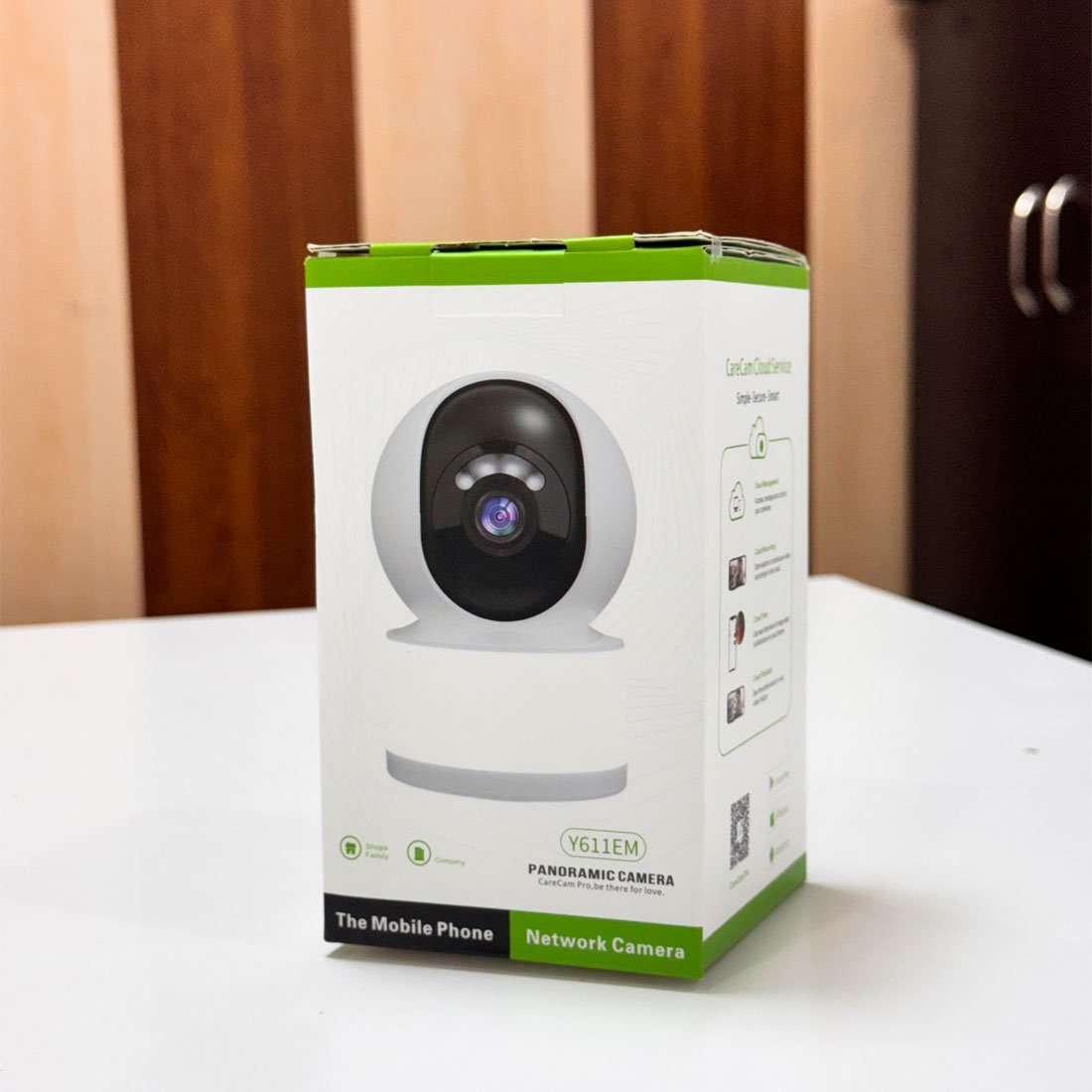 WiFi Camera
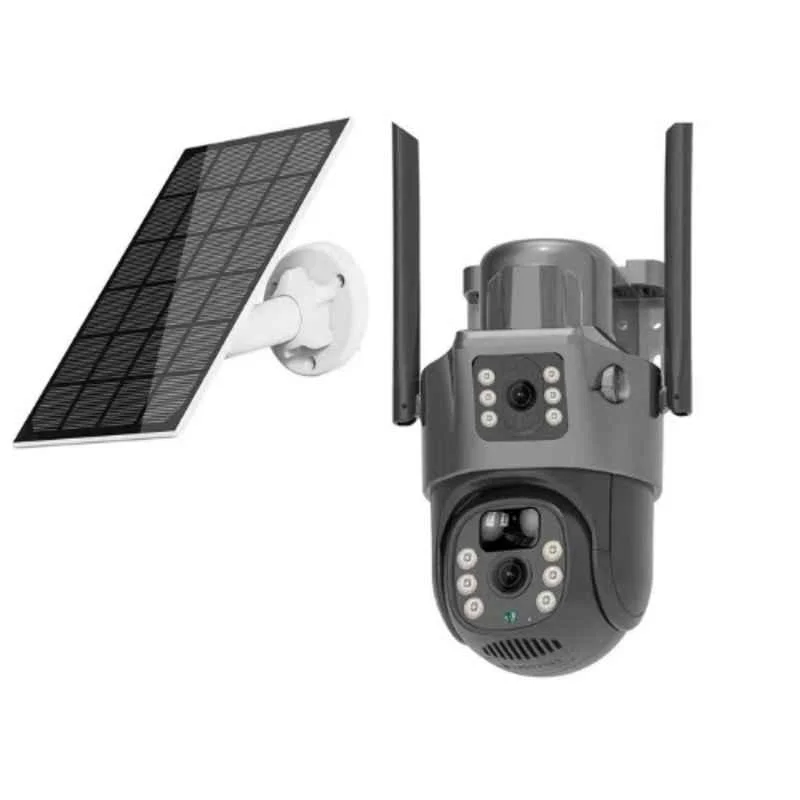 Solar Camera