Security Systems

Why Biometric Access Control Is the Best Solution for Employee Attendance and Office Security

Why Biometric Access Control Is the Best Solution for Employee Attendance and Office Security

Why Biometric Access Control Is the Best Solution for Employee Attendance and Office Security
In a fast moving workplace, where productivity and security go hand in hand, organizations are searching for systems that simplify operations and also safeguard assets and employees. Biometric access control systems stand out above the rest. Biometrics use unique human traits such as fingerprints , facial recognition, card and pin scans that ensure only the right individuals have access to the workplace. They also provide accurate employee records.

In this blog we will explore why biometric access systems have become a standard for modern business, their advantages over the traditional methods and how they are shaping the future of workplace security and efficiency.

Moving Beyond Traditional Attendance and Security

For years, organizations have used punch cards, swipe cards, or passwords to manage entry and track attendance. While useful, these methods had clear problems:

  • Cards can be lost or stolen – giving access to the wrong people.
  • Passwords can be shared or guessed – creating security risks.
  • Buddy punching – Employees recording each other’s attendance.
  • Manual errors – in registers or old machines cause payroll mistakes.

Biometric systems solve these issues because every person’s biometric data is unique and non-transferable. They close loopholes, making processes secure, accurate, and convenient.

How Biometric Access Control Works

The process is simple:

  1. Enrollment – An employee’s biometric data (fingerprint, face) is scanned and stored securely in encrypted form.
  2. Authentication – When the employee tries to enter or mark attendance, the system scans and matches the data.
  3. Access Granted or Denied – If the match is correct, entry is allowed and attendance is recorded instantly.

This quick and reliable system makes mistakes and impersonation nearly impossible.

Why Biometric Systems Are the Best for Employee Attendance

Accurate attendance tracking is important for HR and payroll. Traditional methods mostly result in inaccurate data. Biometric systems provide an exact solution to this problem:

Eliminates Buddy Punching

Buddy punching is one of the main problems with the attendance system. With biometrics this is not possible as everyone has a different face and fingerprints can't be the same.

Ensures Real-Time Tracking

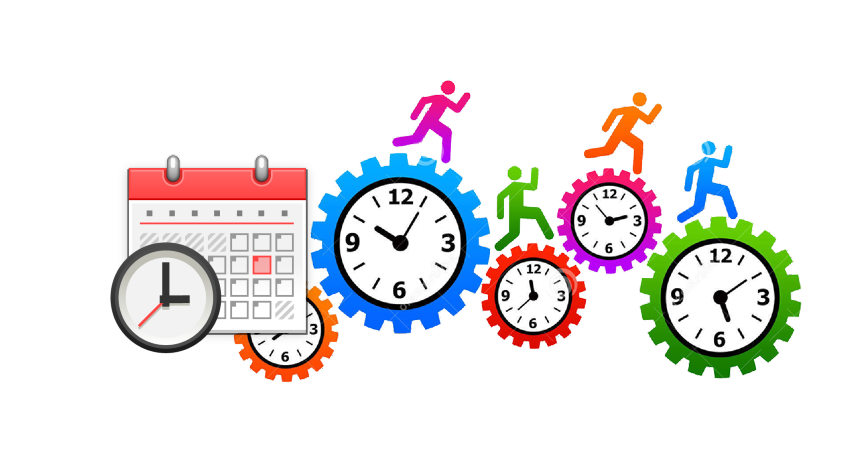
HR teams get instant insights into who is present, late, or absent. This transparency allows for better workforce planning and accountability.

Reduces Payroll Errors

Companies can minimize disputes related to overtime, late arrivals by integrating biometric data with payroll systems. Everything is recorded automatically and accurately.

Boosts Productivity

Since attendance marking is automated, employees spend less time on manual processes. The system encourages punctuality and discipline across the organization.

Why Biometric Systems Are the Best for Office Security

While attendance management is important, workplace safety is even more critical. Here’s how biometric systems elevate office security:

Unauthorized Access Prevention

Unlike access cards and codes, which can be stolen and duplicated, biometric characteristics cannot be copied. Private areas are accessible to authorized employees only.

Customizable Access Levels

Organizations can configure access rights — for example, restricting sensitive departments like R&D labs, finance rooms, or server rooms to only certain employees.

Visitor Management Integration

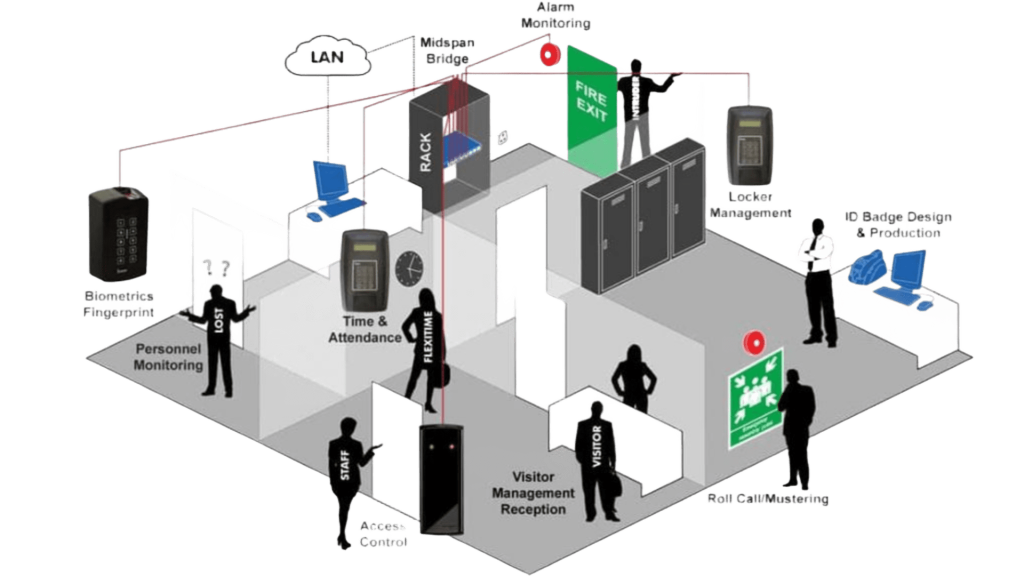
Visitor management tools are integrated with modern biometric systems. This ensures guests are registered, verified, and monitored without compromising workplace safety.

24/7 Security

Biometric access control systems ensure that only authorized persons can enter, even after the office hours. This protects documents, assets and equipment from theft.
Advantages of Biometric Access Control Over Traditional Systems

Feature Traditional Systems Biometric Systems
Security
Vulnerable to theft, duplication
Nearly impossible to forge
Accuracy
Errors due to manual input
High precision, unique identifiers
Convenience
Requires cards/codes to carry
Hands-free, no physical tokens needed
Attendance Tracking
Prone to manipulation
Automated and transparent
Integration
Limited
Easily integrates with payroll, HRMS, and CCTV
Scalability
Difficult to manage for large staff
Seamless, supports thousands of users

Clearly, biometric systems are not just an upgrade but a complete transformation of how workplaces manage security and attendance.

Addressing Concerns About Biometric Systems

Biometric systems are very effective, but many organizations worry about privacy, hygiene, and costs. Modern solutions handle these issues well:

Data Privacy – These systems don’t save actual photos or fingerprints. They keep encrypted codes that can’t be reversed. 

Hygiene – Touchless systems like biometric face recognition and fingerprint scanning, lower  health risks and support workplace hygiene. 

Cost-effectiveness – The setup may cost more at first, businesses save money in the long run through reduced fraud, and stronger security.

Scalability – The systems can easily grow with the company by adding new employees or connecting with other digital tools.

The Future of Biometric Access

Biometric access control is expanding even more quickly as artificial intelligence (AI) advances:

AI-powered recognition – Modern systems use artificial intelligence to improve accuracy, speed up the process that makes systems more efficient and reliable..

Cloud-based systems –  By connecting to the cloud, biometric solutions enable real time monitoring. This makes sure seamless access  management for organizations with distributed teams.

Mobile biometrics –  Employees can use their mobile phones for facial and fingerprint verifications. This limits the need for separate hardware and adds convenience for remote workers.

Multi-factor authentication –  In high security settings, biometrics can be combined with smart cards and pins. This layered approach offers stronger protection against unauthorized access.

Conclusion

Biometric access control has transformed from a novel concept to a need in today’s workplaces. It fixes the problems of old systems by giving stronger security, accurate attendance records, and easy connection with other workplace tools. It creates a safer space for employees and visitors along with protecting assets.   Biometrics play a key role in building smarter and efficient workplaces as companies grow and move towards the digital world. Choosing a biometric system is not just using modern technology but preparing your business for the future.